News & Updates
How Long Does Eczema Treatment Take?
3 February 2026
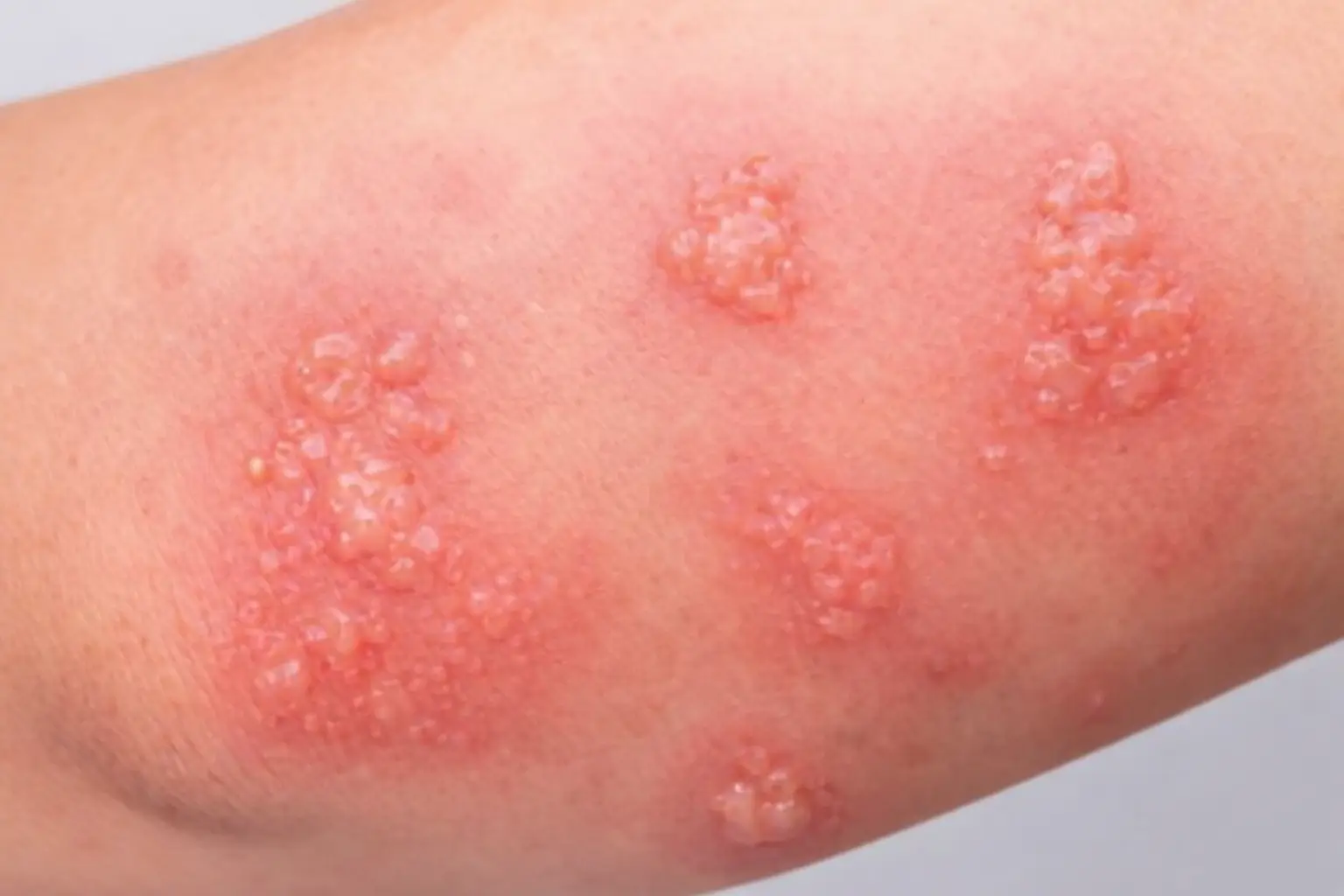
Table of Contents
- Eczema Treatment Timeline at a Glance
- Eczema Treatment Results Over Time: What Changes First?
- How Long Do Different Eczema Treatments Take to Show Results?
- Eczema Healing Time vs Treatment Time: What’s the Difference?
- Eczema Healing Time After a Flare Up
- Why Eczema Treatment and Healing Time Vary Between People
- In Real Practice: What Dermatologists Commonly See With Eczema Treatment Results
- Fastest vs Slowest Eczema Treatments Based on Results and Healing
- When Eczema Treatment Is Taking Longer Than Expected
- How Long It Takes to Control Eczema Long Term
- Final Answer: How Long Eczema Treatment Takes and When Skin Fully Heals
- Frequently Asked Questions
One of the most common and frustrating questions people ask after starting eczema treatment is simple: how long will this take to work? The answer depends on several factors, including the severity of eczema, the type of treatment used, and how consistently it is followed. While some symptoms improve quickly, full skin recovery often takes longer than most people expect.
This article explains how long eczema treatment takes, what results typically appear first, and how eczema healing time differs from symptom control.
Eczema Treatment Timeline at a Glance
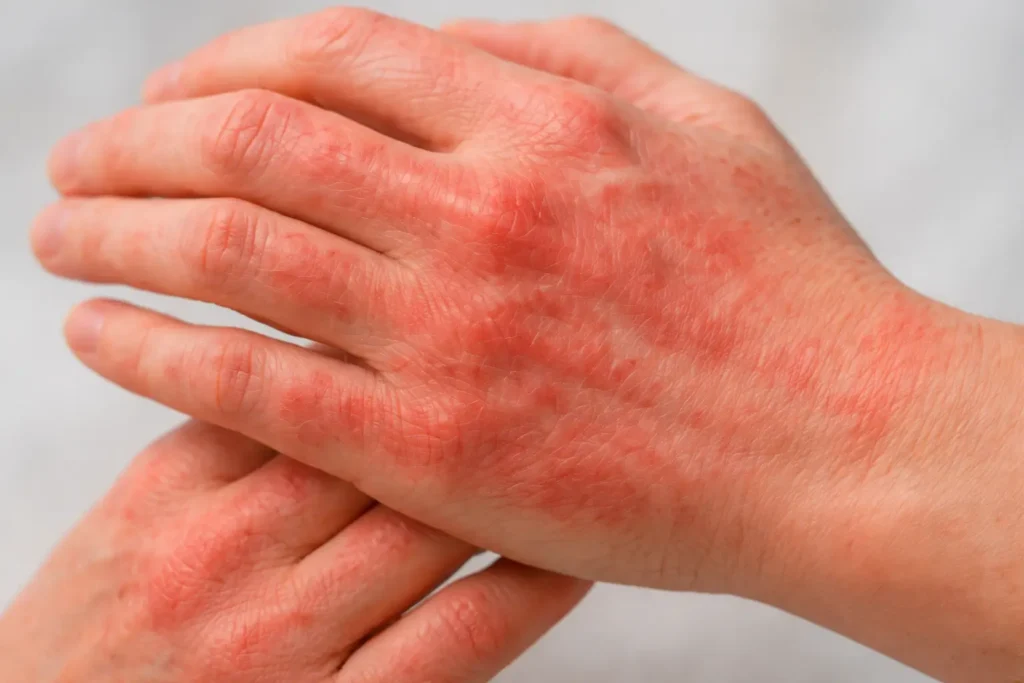
Although eczema does not follow a fixed schedule, dermatologists generally see these patterns:
- Mild eczema: Noticeable improvement within 3 to 14 days
- Moderate eczema: Improvement within 2 to 6 weeks
- Severe or long-standing eczema: Several months for stable control
It is important to understand that treatment response and skin healing are not the same. Symptoms often calm down before the skin fully recovers.
Eczema Treatment Results Over Time: What Changes First?
Eczema treatment results usually appear in stages rather than all at once.
- Itching relief: For many people, itching improves first. With appropriate treatment, itch reduction often begins within the first few days. This early relief is a key sign that inflammation is responding.
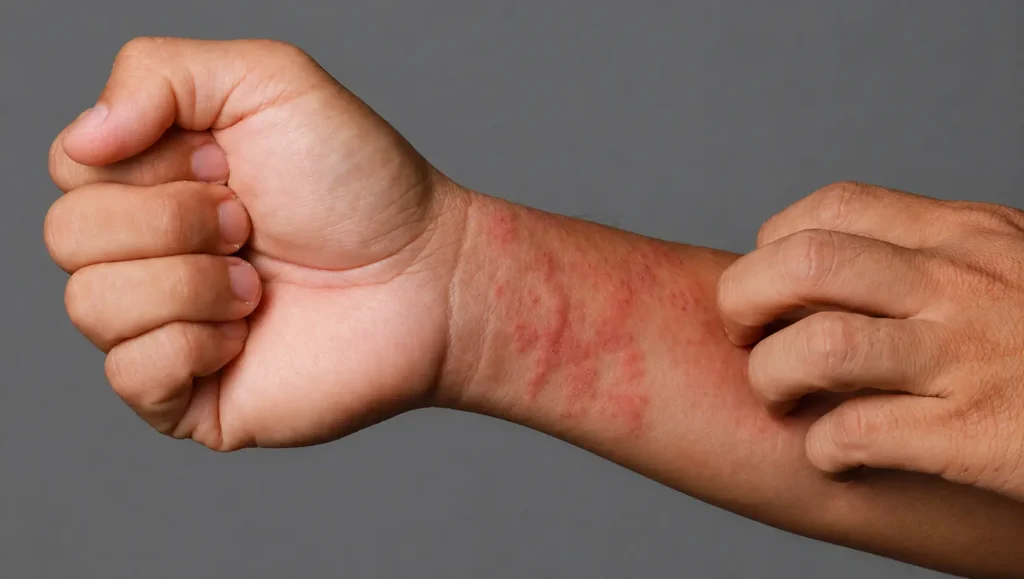
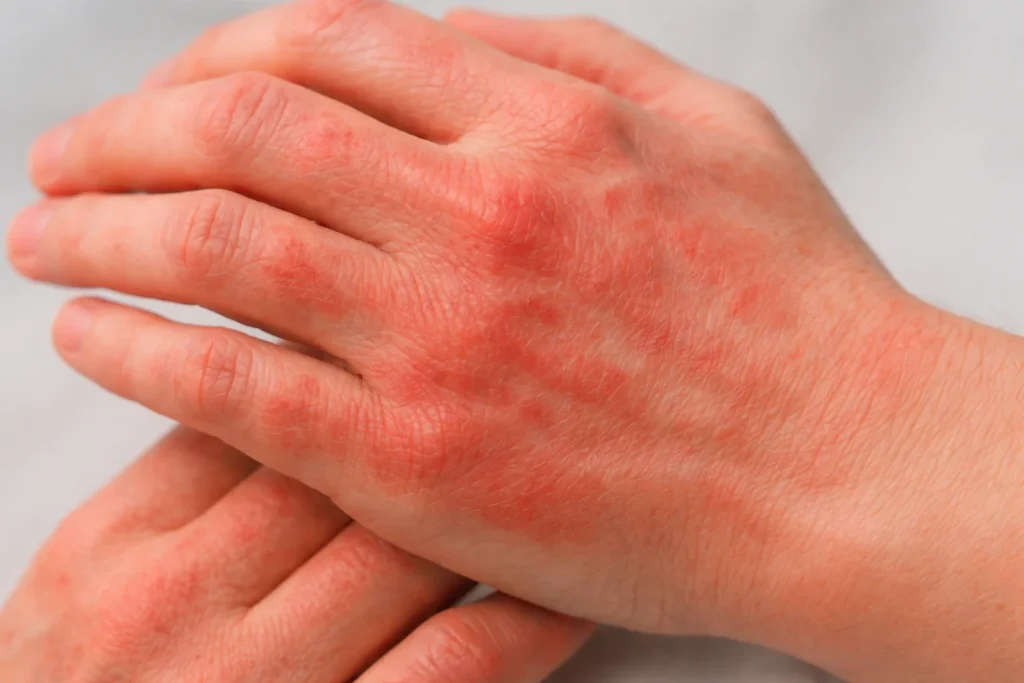
- Redness and inflammation: Visible redness and swelling typically take longer. These changes often improve over one to two weeks, depending on flare severity and treatment strength.
- Skin texture and comfort: Dryness, scaling, and thickened skin improve more slowly. Smoother skin and better elasticity may take several weeks of consistent care.
How Long Do Different Eczema Treatments Take to Show Results?
How Long Moisturizers Take to Improve Eczema
Moisturizers work by repairing the skin barrier. Relief from tightness and dryness can happen within hours, but meaningful improvement usually takes several days. Consistent use for one to two weeks is often needed before skin feels stronger and less reactive.
How Long Topical Steroids Take to Work
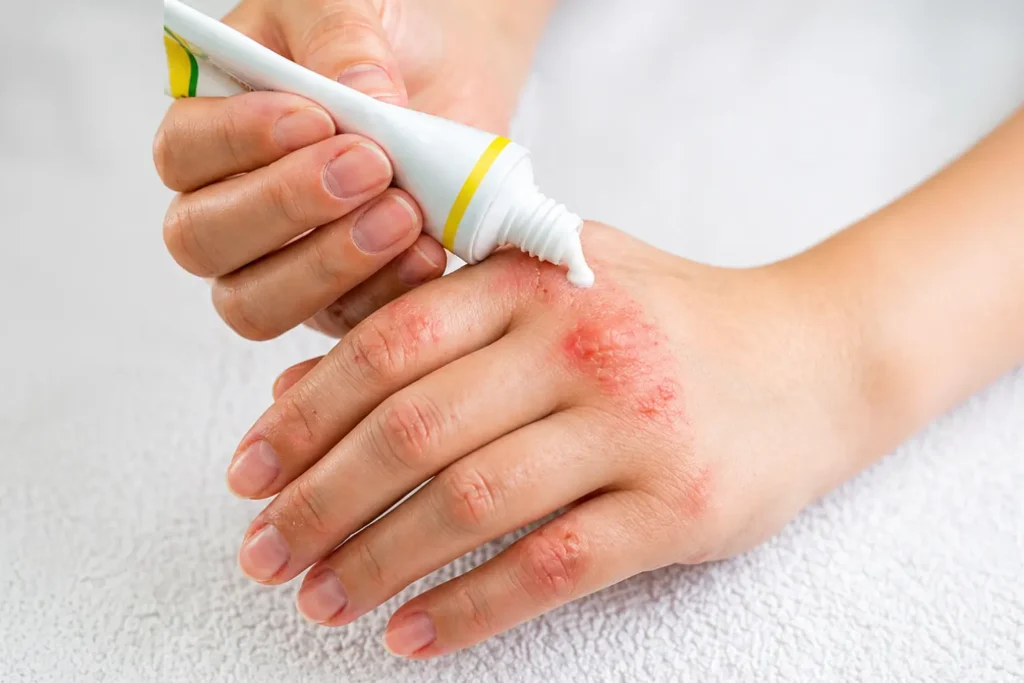
Topical corticosteroids are commonly used during flares. Itching often decreases within one to three days. Redness and inflammation usually improve within one week. Most flares respond within 7 to 14 days when used as prescribed.
How Long Non-Steroid Eczema Treatments Take
Non-steroid prescription creams work more gradually. Many people notice reduced itching within the first week, while visible skin improvement often takes two to four weeks. These treatments are frequently used for long-term control rather than rapid flare relief.
How Long Oral Medications and Antihistamines Take
Antihistamines may reduce itch related to allergies within days, but they do not directly heal eczema skin. Oral anti-inflammatory or immune-modifying medications often take several weeks to show clear eczema treatment results.
How Long Biologic Treatments Take for Severe Eczema
Biologic therapies used for moderate to severe eczema can begin reducing itch within one to two weeks. Significant skin improvement is often seen over one to three months, with continued gains over time.
For reliable treatment options and personalized care, explore our comprehensive eczema treatments service for prescriptions and support.
Eczema Healing Time vs Treatment Time: What’s the Difference?
Eczema treatment time refers to how long it takes to control inflammation and symptoms. Eczema healing time refers to how long the skin needs to repair itself and regain normal function.
Symptoms can improve quickly, but skin healing is slower. Even when redness and itching fade, the skin barrier may remain fragile for weeks or months. This is why stopping treatment too early often leads to flare recurrence.
Eczema Healing Time After a Flare Up
Mild flares: Skin may look normal again within one to three weeks once inflammation is controlled.
Repeated or long-standing flares: Healing can take several weeks to months. Areas with thickened or frequently scratched skin require longer recovery, even after symptoms settle.
Why Eczema Treatment and Healing Time Vary Between People
Several factors influence how long eczema treatment takes:
- Severity and duration of the condition
- Age and baseline skin health
- Exposure to triggers such as irritants or allergens
- Stress levels and sleep quality
- Consistency of treatment use
In real clinical settings, two people using the same treatment may improve at very different rates.
For a detailed breakdown of treatment types and timelines, see our guide on how eczema treatments work.
In Real Practice: What Dermatologists Commonly See With Eczema Treatment Results
Dermatologists often observe predictable milestones:
- After one week: itching improves, sleep quality increases
- After one month: redness and scaling are significantly reduced
- After three months: fewer flares and stronger skin barrier with maintenance care
Patients who moisturize daily and avoid triggers tend to see faster and more stable results.
Fastest vs Slowest Eczema Treatments Based on Results and Healing
Fast-acting treatments such as topical steroids calm inflammation quickly but do not rebuild the skin barrier on their own. Slower treatments like barrier repair creams and biologics take longer to show results but support long-term control.
Quick symptom relief does not always equal faster healing. Lasting improvement depends on both inflammation control and skin repair.
When Eczema Treatment Is Taking Longer Than Expected
Treatment may still be working even if progress feels slow. Signs of gradual improvement include less itching, fewer new patches, and better tolerance to skincare products.
Treatment may need adjustment if symptoms worsen, spread, or interfere with sleep after several weeks of proper use. Persistent flares should always be reviewed by a healthcare professional.
How Long It Takes to Control Eczema Long Term
Long-term eczema control usually takes months rather than weeks. Maintenance routines, including daily moisturizing and trigger avoidance, are essential even when skin appears clear.
Many people achieve stable control with occasional flares rather than constant symptoms, but this requires consistent care.
Final Answer: How Long Eczema Treatment Takes and When Skin Fully Heals
Most eczema treatments begin showing results within days to weeks, depending on severity and treatment type. Itching often improves first, followed by reduced redness and inflammation. Full skin healing usually takes longer, often several weeks to months.
Understanding the difference between treatment response and healing time helps set realistic expectations. With the right approach and consistency, eczema can be effectively managed, even if progress feels gradual at first.
Frequently Asked Questions
1. How long does it take for eczema treatment to start working?
Most people notice some improvement, especially reduced itching, within the first few days to one week. Visible skin improvement usually takes longer.
2. What is the average eczema healing time?
Eczema healing time varies, but mild flares often heal within a few weeks, while chronic or severe eczema may take months of consistent care.
3. Why does my eczema look better but come back quickly?
Symptoms may improve before the skin barrier fully heals. Stopping treatment too early increases the risk of flare recurrence.
4. How do I know if eczema treatment is working?
Signs include less itching, improved sleep, fewer new patches, and gradually calmer skin, even if dryness or discoloration remains.
5. Can eczema ever fully heal?
Eczema is a chronic condition, but with proper treatment and maintenance, many people achieve long periods of clear or nearly clear skin.