

Malaria risk varies depending on the country, region, season, length of stay and type of travel. Before travelling, it is important to check whether malaria prevention tablets are recommended for your destination.
Antimalarial tablets can significantly reduce the risk of malaria but do not provide complete protection. They should be used alongside mosquito bite prevention measures such as insect repellent, suitable clothing and mosquito nets.
Possible symptoms of malaria include:

Malaria can initially feel similar to flu or other infections, which can make it difficult to recognise.
Symptoms commonly appear after travel to a malaria-risk area but can sometimes develop weeks or months later.
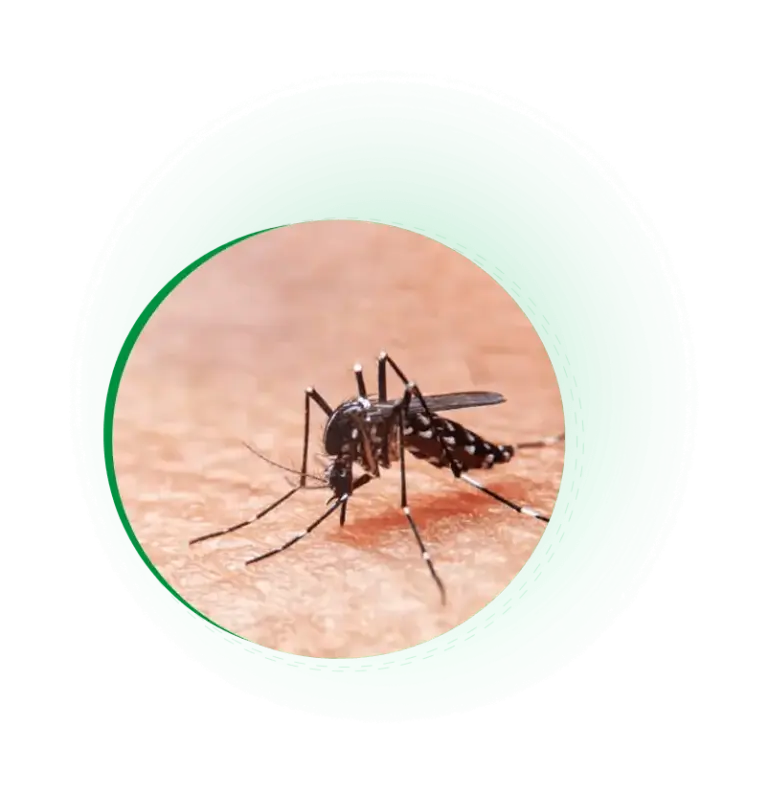
Malaria is caused by Plasmodium parasites, which are usually transmitted to humans through the bite of an infected female Anopheles mosquito.
Malaria risk can vary considerably within the same country, so prevention advice should be based on your specific destination and itinerary, rather than the country name alone.
Alongside malaria prevention tablets, mosquito bite avoidance is an important part of protecting yourself.
Apply an effective insect repellent to exposed skin and reapply it according to the product instructions.
Wear loose-fitting, long-sleeved tops and long trousers, particularly when mosquitoes are most active.
Sleep under an insecticide-treated mosquito net where suitable screened or air-conditioned accommodation is not available.
Use window and door screens, air conditioning or other suitable mosquito-control measures where available.
Start your malaria prevention medicine at the recommended time and continue it throughout your trip and for the required period after leaving the malaria-risk area.
Malaria recommendations can change. Check current destination-specific advice and seek travel health guidance before you leave.
No malaria prevention method is 100% effective, so tablets and bite prevention measures should be used together.
Malaria can become serious quickly and suspected malaria requires urgent medical assessment.
If symptoms develop while you are travelling, seek local medical attention immediately rather than waiting until you return home.
If you develop malaria symptoms after returning to the UK, tell the healthcare professional where you travelled and when.
Symptoms can occasionally develop months after travel, so recent travel history remains important even after you return home.
Malaria is a potentially serious infection caused by parasites transmitted through the bite of infected mosquitoes. It occurs in certain tropical and subtropical regions and can become life-threatening if it is not diagnosed and treated promptly.
There is no single antimalarial that is best for every traveller. The most suitable option depends on your destination, medical history, age, other medicines, pregnancy status and the type and length of your trip.
Yes. Pharmaceutra provides selected malaria prevention medicines following an online assessment. A prescriber will review your information, including your travel destination and medical history, before deciding whether treatment is suitable.
This depends on the medicine. Atovaquone/Proguanil is generally continued for 7 days after leaving the malaria-risk area, while Doxycycline is generally continued for 4 weeks. Complete the full course even if you feel well.
No antimalarial medicine provides complete protection. Using the correct prevention tablets together with mosquito bite avoidance measures provides much better protection than relying on either method alone.
Possible effects can include nausea, stomach upset, headache or dizziness. Doxycycline can also increase sensitivity to sunlight in some people. Read the patient information leaflet and contact a healthcare professional if you develop significant or persistent side effects.
Pregnancy can increase the risk of serious complications from malaria, but not every antimalarial medicine is suitable during pregnancy. If you are pregnant, think you may be pregnant or are planning pregnancy, seek specialist travel health advice before travelling to a malaria-risk area.
Yes.Antimalarial medicines are not 100% effective, so mosquito bite prevention remains essential.Use effective repellent, cover exposed skin and use appropriate mosquito protection while sleeping.
Follow the instructions in the patient information leaflet for your specific medicine.
Do not routinely take extra doses unless the instructions or a healthcare professional advise you to do so. If you are unsure, speak to a pharmacist or prescriber.
No. Most malaria prevention medicines need to be continued for a period after leaving the malaria-risk area. Stopping treatment early can reduce your protection.
Seek urgent medical advice and tell the healthcare professional that you have recently travelled to a malaria-risk area. Malaria should be considered even if you took prevention tablets, because no preventive medicine offers complete protection.
No.Foods, vitamins, garlic, tonic water and herbal remedies should not be used as substitutes for proven mosquito bite prevention or appropriate antimalarial medicines.
This depends on the medicine. Doxycycline and Atovaquone/Proguanil are generally started 1 to 2 days before entering a malaria-risk area. Other antimalarials may need to be started earlier, so always follow the instructions provided for your specific medicine.
Safe. Secure. Trusted

From consultation to delivery, Pharmaceutra makes accessing prescription treatments seamless.
Complete our quick, confidential online health questionnaire. Our prescribers review your answers, usually within the hour.
A UK-registered prescriber reviews your submission and, if suitable, approves and issues your personalised prescription.

Your medication is dispensed by our pharmacists and shipped in discreet packaging with free tracked next-day delivery.