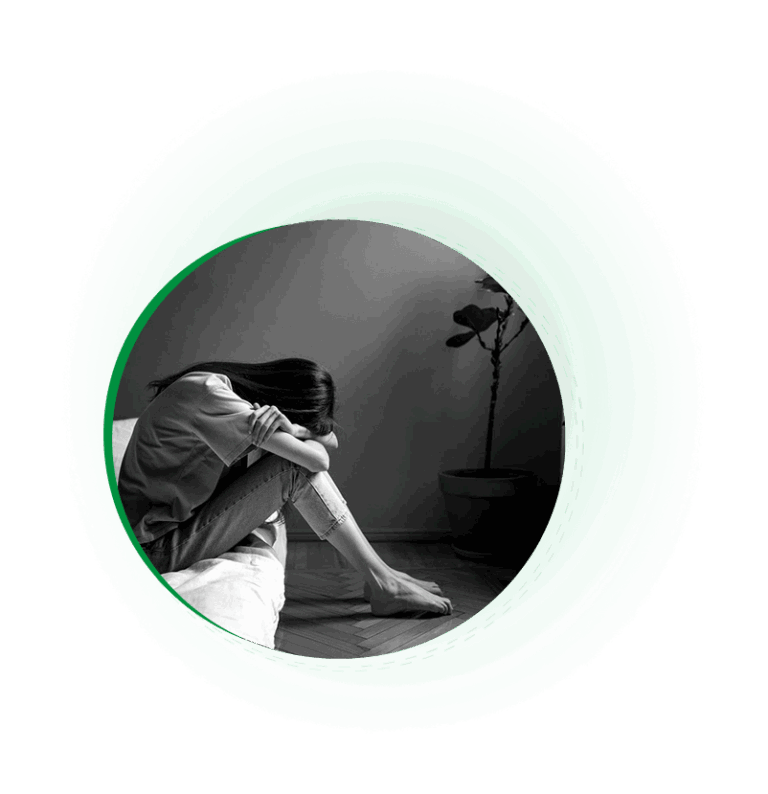


Feeling anxious occasionally is normal, particularly during stressful or uncertain situations. However, anxiety may become a problem when worrying feels difficult to control, continues for a long time or begins to interfere with everyday life.
Anxiety can affect both the mind and body. Symptoms vary between individuals and may range from persistent worry and restlessness to physical symptoms such as a racing heartbeat, dizziness or muscle tension.
Common symptoms of anxiety include:

Anxiety can affect your thoughts, emotions, physical health and behaviour. Some people mainly experience mental symptoms, while others notice physical changes.
Anxiety does not always have one clear cause. It may develop because of a combination of life experiences, health factors, personality and stressful events.
Sometimes anxiety develops without an obvious trigger.
Alongside appropriate professional support, simple lifestyle changes and coping techniques may help reduce anxiety and improve overall wellbeing.
Regular activities such as walking, running, swimming or yoga can help you relax and support general mental wellbeing.
Slow breathing exercises, mindfulness or meditation may help you feel calmer when anxiety begins to build.
Try to go to bed and wake up at similar times each day and reduce activities that interfere with good-quality sleep.
Speaking with a trusted friend, family member, counsellor or healthcare professional can help you feel supported and better understand your anxiety.
Trying to deal with everything at once can feel overwhelming. Break difficult tasks into smaller and more achievable steps.
Using alcohol, cigarettes or recreational drugs to manage anxiety can contribute to poorer mental health over time.
Speak to a healthcare professional if anxiety is persistent, difficult to control or affecting your work, relationships, sleep or daily activities.
Talking therapies and structured self-help can be effective options for anxiety, and in many areas of England adults can self-refer to NHS Talking Therapies without first seeing a GP.
There is no specific food that causes anxiety in everyone. However, some drinks and eating habits may make symptoms such as restlessness, poor sleep or a racing heartbeat more noticeable.
There is no particular food or diet proven to cure anxiety. Instead, aim for a healthy and balanced diet with regular meals to help maintain steady energy levels.
Helpful choices can include:
Anxiety is a feeling of worry, fear or unease. It is a normal response to certain situations, but it can become a problem when it is persistent, difficult to control or begins affecting everyday life.
Symptoms can include persistent worry, restlessness, irritability, difficulty concentrating, poor sleep, dizziness, sweating, trembling and a racing or noticeable heartbeat.
Generalised anxiety disorder, or GAD, involves frequent or persistent anxiety and worry about a range of situations rather than one specific event. The worrying can be difficult to control and may affect daily activities, sleep and wellbeing.
Yes. Anxiety can cause physical symptoms such as sweating, shaking, dizziness, headaches, muscle tension, shortness of breath and a noticeable or faster heartbeat.
Yes. Persistent worrying or feeling on edge can make it difficult to fall asleep or stay asleep. Poor sleep can also make anxiety more difficult to manage, so maintaining a regular sleep routine may help.
Yes. Stressful events involving work, finances, health, relationships or major life changes can contribute to anxiety. However, anxiety can also occur without one obvious cause.
Yes. Large amounts of caffeine can interfere with sleep and may make anxiety more difficult to control. If you regularly drink coffee, strong tea, cola or energy drinks and notice they worsen your symptoms, reducing your caffeine intake may help.
Regular exercise can support mental wellbeing and may help you relax. Activities such as walking, running, swimming or yoga can be useful as part of an overall approach to managing anxiety.
Yes. Psychological approaches such as cognitive behavioural therapy can help people understand how thoughts, feelings and behaviours are connected and develop techniques for managing anxiety. NICE recommends CBT and other structured psychological approaches for people whose anxiety is significantly affecting them.
A panic attack is a sudden period of intense fear or anxiety that may cause physical symptoms such as a racing heartbeat, sweating, shaking, dizziness or shortness of breath. Panic attacks can feel frightening, but the symptoms themselves are not usually dangerous.
Speak to a healthcare professional if anxiety is persistent, getting worse or interfering with work, relationships, sleep or everyday activities. You should also seek support if self-help techniques are not improving your symptoms.
Mild anxiety may improve as a stressful situation passes or with self-care and support. Persistent or severe anxiety may require structured support such as guided self-help, talking therapies or assessment by a healthcare professional.
Safe. Secure. Trusted

From consultation to delivery, Pharmaceutra makes accessing prescription treatments seamless.
Complete our quick, confidential online health questionnaire. Our prescribers review your answers, usually within the hour.
A UK-registered prescriber reviews your submission and, if suitable, approves and issues your personalised prescription.

Your medication is dispensed by our pharmacists and shipped in discreet packaging with free tracked next-day delivery.