
Is Acid Reflux Affecting Your Daily Life?

Many people experience occasional heartburn, but frequent acid reflux can interfere with eating, sleeping and everyday comfort. Our online service helps you access suitable prescription treatments after a simple medical assessment.

Symptoms

  • Burning sensation in the chest (Heartburn)
  • Sour taste in the mouth
  • Indigestion
  • Difficulty swallowing
  • Persistent cough
  • Bloating after meals
  • Burping
  • Nausea

Common Symptoms

Common Signs of Acid Reflux

Symptoms can vary from person to person but commonly include the following.Symptoms often become worse after eating large meals, bending over or lying down.

  • Burning sensation behind the breastbone (heartburn)
  • Frequent burping
  • Feeling sick
  • Persistent dry cough
  • Sore throat
  • Acid or bitter taste in the mouth
  • Bloating
  • Chest discomfort after meals
  • Hoarse voice
  • Difficulty swallowing

Common Causes

What Causes Acid Reflux?

Acid reflux can develop for many reasons, including lifestyle habits and certain medical conditions.
Identifying your personal triggers can help reduce future flare-ups.

Common triggers include:

  • Eating spicy or fatty foods
  • Drinking alcohol
  • Excess caffeine
  • Smoking
  • Being overweight
  • overweight
  • Pregnancy
  • Stress and anxiety
  • Eating late at night
  • Certain medications
  • Hiatus hernia

Lifestyle Changes

Managing Acid Reflux Naturally

Alongside medication, simple lifestyle adjustments can help improve symptoms.

  • Eat smaller mealsAvoid large meals that place extra pressure on the stomach.
  • Avoid trigger foodsReduce spicy foods, citrus fruits, chocolate, caffeine and alcohol if they worsen symptoms.
  • Don’t lie down after eatingWait at least 2–3 hours before lying down after meals.
  • Maintain a healthy weightLosing excess weight can reduce pressure on the stomach.
  • Stop smokingSmoking weakens the muscle that prevents stomach acid from travelling upwards.
  • Raise the head of your bedSleeping with your head elevated may help reduce night-time reflux.

Know When To Get Help

When Should You Seek Medical Advice?

Although Acid Reflux is common, persistent or severe symptoms should always be assessed by a healthcare professional. Seek medical advice if you experience:

  • Symptoms more than twice a week
  • Difficulty swallowing
  • unexplained weight loss
  • Vomiting blood
  • Black Stool
  • Persistent chest pain
  • Symptoms that continue despite treatment

Foods to avoid

  • Chocolate
  • Coffee
  • Citrus fruits
  • Tomatoes
  • Frizzy Drinks
  • Alcohol
  • Spicy foods
  • Fries foods

Foods that may help

  • Oatmeal
  • Bananas
  • Green Vegetables
  • Ginger
  • Brown Rice
  • Lean Chicken
  • Whole grains
FAQs

Got a Question?

Need more help? Get in touch with us

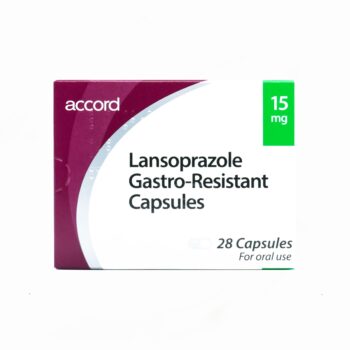
Different treatments can help manage acid reflux, depending on the severity and frequency of your symptoms. Omeprazole, Lansoprazole and other medicines may be appropriate for some people. A healthcare professional can advise on suitable options.

yes, After completing an online medical consultation, a UK-registered prescriber will determine whether treatment is appropriate before issuing a prescription.

Common triggers include: Spicy Foods, Fried Foods, Citrus Fruits, Chocolate Coffee, Alcohal,Fizzy Drinks

Heartburn is one of the main symptoms of acid reflux. Frequent heartburn may indicate gastro-oesophageal reflux disease (GORD/GERD).

Occasional episodes often improve with lifestyle changes, but recurring symptoms may require medical assessment and prescription treatment.

Safe. Secure. Trusted

GPhC Registered
GPhC Registered
UK Pharmacy
UK Pharmacy
Secure Checkout
Secure Checkout
Trusted by Patients
Trusted by Patients
Private Consultations
How It Works

Simple. Safe. Delivered.

From consultation to delivery, Pharmaceutra makes accessing prescription treatments seamless.
01

Order Medicines

Complete our confidential online health questionnaire. A qualified prescriber will review your answers to assess whether treatment is appropriate for you.

02

Prescriber Reviews

A qualified prescriber reviews your consultation and medical information. If treatment is clinically appropriate, a prescription may be issued.

03

Receive Your Order

If prescribed, your medication will be dispensed by the pharmacy and delivered using the available delivery service. Your order will be discreetly packaged.