News & Updates
Over-the-Counter vs Prescription Eczema Treatments: What Works, What Doesn’t, & When to Upgrade
13 April 2026
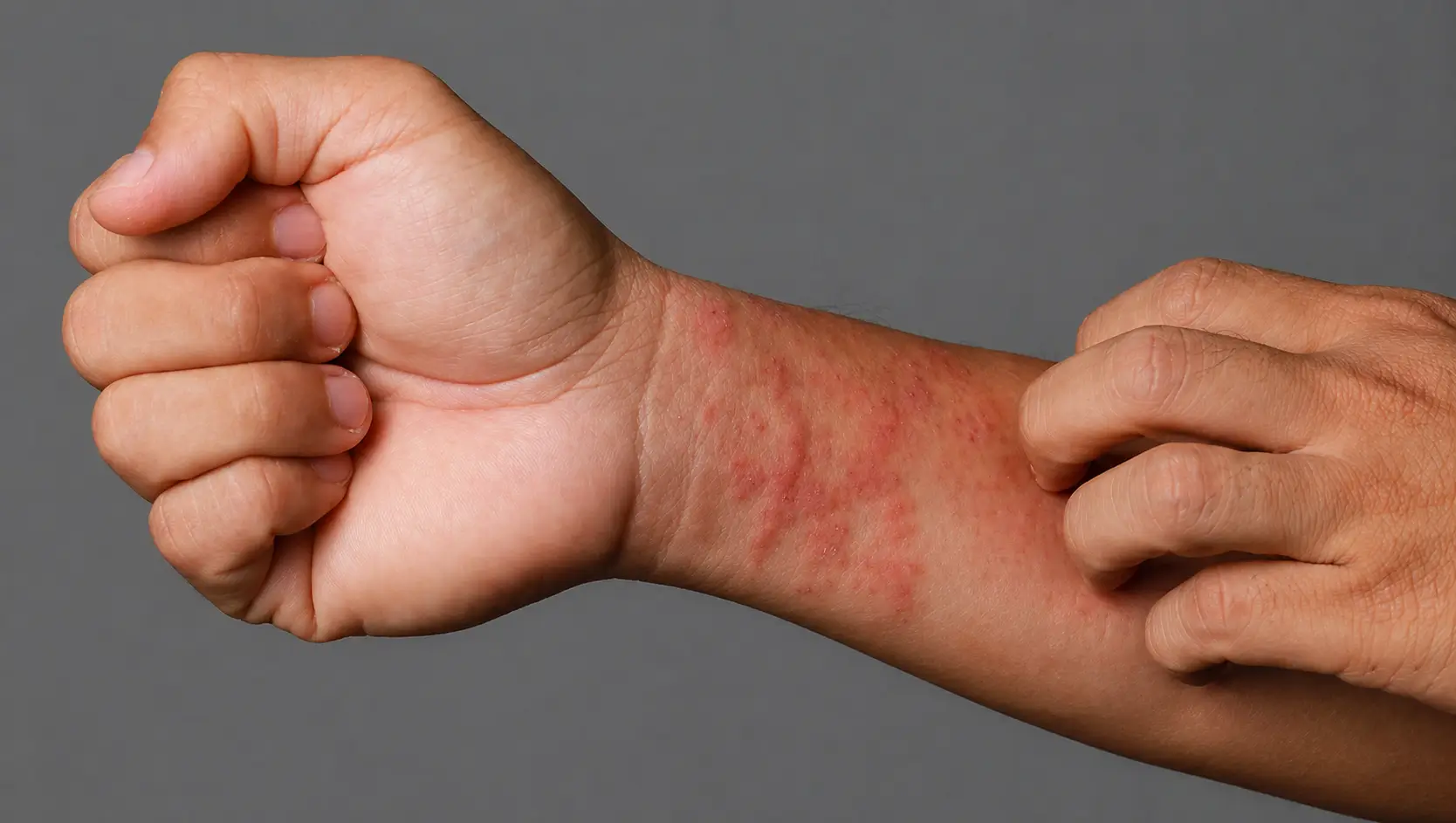
Table of Content:
- Understanding the Real Difference Between OTC and Prescription Treatments
- What Over-the-Counter Eczema Treatments Actually Do
- Signs That OTC Treatments Are No Longer Enough
- How Prescription Treatments Change the Game
- Common Mistakes That Slow Down Recovery
- A Smarter Approach to Managing Eczema
- Final Thoughts
- Frequently Asked Questions
Eczema has a way of starting small and then quietly taking over your routine. A little dryness turns into persistent itching, and before you know it, you’re trying multiple creams without real relief. Most people begin with over-the-counter options, but the real question is not where you start. It’s knowing when that approach is no longer enough.
The most common form, Atopic Dermatitis, is more than surface-level dryness. It involves a weakened skin barrier and an overactive immune response. That’s why treatment isn’t just about soothing the skin. It’s about controlling inflammation and preventing future flare-ups. If you’re exploring broader eczema treatments, understanding this difference matters.
Understanding the Real Difference Between OTC and Prescription Treatments
Over-the-counter (OTC) and prescription treatments are not competing options. They serve different roles depending on how severe your eczema is at a given time.
OTC products are designed to support and maintain the skin. Prescription treatments are designed to actively control inflammation when it becomes too strong for basic care.
If you rely on one without the other at the wrong time, results are usually inconsistent.
What Over-the-Counter Eczema Treatments Actually Do
For mild eczema, OTC care can be enough if used consistently. The key is not just what you use, but how regularly you use it.
Moisturizers are the foundation. Thick creams and ointments help repair the skin barrier and prevent moisture loss. Products with ceramides or petrolatum tend to perform better than lightweight lotions, which often evaporate quickly.
Low-strength Hydrocortisone is commonly used to reduce mild inflammation and itching. It works best when applied early during a flare rather than waiting for symptoms to worsen.
Some people also use antihistamines like Cetirizine, especially when itching affects sleep. While they don’t treat eczema directly, they can reduce the urge to scratch at night.
When used correctly, OTC treatments can:
- Maintain hydration and strengthen the skin barrier
- Control mild itching and redness
- Reduce the frequency of small flare-ups
However, their effectiveness has limits. To compare supportive skincare and medicated options, read emollients vs steroid creams for eczema.
Signs That OTC Treatments Are No Longer Enough
Many people continue using OTC products even when their eczema has progressed beyond mild. This often leads to frustration and prolonged discomfort.
If you notice any of the following, it’s usually time to consider prescription treatment:
- Persistent redness or itching lasting more than two weeks
- Cracked, oozing, or thickened skin
- Frequent flare-ups despite regular moisturizing
- Itching that interferes with sleep or daily activity
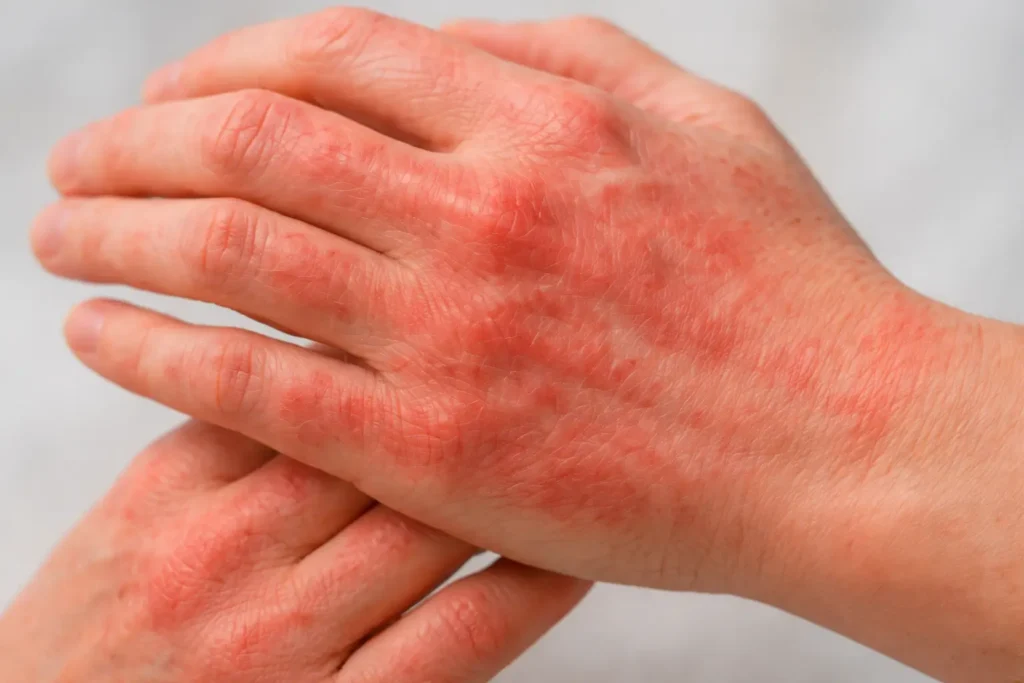
- Eczema spreading to sensitive areas like the face or hands
At this stage, the inflammation is deeper and requires stronger intervention.
How Prescription Treatments Change the Game
Prescription treatments work by targeting the underlying inflammation more effectively than OTC products. They are not just stronger versions of the same thing. Many of them work in entirely different ways.
Topical corticosteroids are usually the first step. These are stronger than OTC hydrocortisone and are used to quickly calm flare-ups. When used correctly, they can break the itch-scratch cycle that keeps eczema active.
For long-term use or sensitive areas, non-steroid treatments such as Tacrolimus and Pimecrolimus are often recommended. These help control inflammation without thinning the skin.
Another option, Crisaborole, targets inflammation through a different pathway and is commonly used for mild to moderate eczema.
For more severe cases, advanced treatments like Dupilumab address the immune response driving eczema. These are typically used when topical treatments are not enough. Learn more about types of eczema treatments and how they work.
Prescription treatments are designed to:
- Reduce moderate to severe inflammation quickly
- Prevent long-term skin damage
- Improve quality of life by controlling persistent symptoms
Common Mistakes That Slow Down Recovery
One of the biggest issues in eczema care is not the lack of treatment options, but how they are used.
Many people underuse treatments due to fear, especially when it comes to steroids. While misuse can cause side effects, avoiding them entirely often leads to prolonged inflammation.
On the other hand, relying only on prescription treatments without maintaining a proper skincare routine can also limit results.
Some common mistakes include:
- Using lightweight lotions instead of thicker creams or ointments
- Stopping treatment too early once symptoms improve
- Ignoring triggers like sweat, harsh soaps, or weather changes
- Delaying medical advice when symptoms worsen
A Smarter Approach to Managing Eczema
The most effective way to manage eczema is to combine both OTC and prescription treatments strategically.
Think of OTC care as your daily maintenance. It keeps your skin stable and reduces the chances of flare-ups.
Prescription treatments act as your control mechanism. They step in when inflammation goes beyond what basic care can handle.
When used together, they create a balanced approach that not only treats eczema but also prevents it from getting worse over time.
When You Should See a Doctor
If your eczema is not improving despite consistent OTC use, or if it starts affecting your sleep, work, or confidence, it’s time to consult a medical professional.
Early treatment can prevent complications and reduce the need for stronger medications later.
Final Thoughts
Eczema treatment is not about choosing between over-the-counter and prescription options. It’s about knowing when to use each one.
OTC products are essential for daily care and mild symptoms. Prescription treatments are necessary when inflammation becomes more intense or persistent.
Understanding this difference allows you to take control of your condition instead of reacting to it.
Frequently Asked Questions
1. Can over-the-counter treatments cure eczema permanently?
No, OTC treatments cannot cure eczema. They help manage symptoms and support the skin barrier, but eczema is a chronic condition that requires ongoing care and sometimes prescription treatment.
2. How long should I try OTC treatments before seeing a doctor?
If you don’t see noticeable improvement within 1 to 2 weeks of consistent use, or if symptoms worsen, it’s a good idea to consult a doctor for stronger treatment options.
3. Are prescription eczema treatments safe for long-term use?
Yes, when used under medical guidance. Many prescription treatments are designed for safe long-term management, especially non-steroid options for sensitive areas.
4. Why does my eczema keep coming back even after treatment?
Eczema often returns because the underlying triggers and skin barrier issues are still present. Maintenance care with moisturizers and trigger management is essential to prevent flare-ups.
5. What is the fastest way to control a severe eczema flare-up?
Moderate to severe flare-ups usually require prescription treatments such as stronger topical steroids or other anti-inflammatory medications. These work faster than OTC options in reducing inflammation.