News & Updates
Dermatologist-Recommended Eczema Treatments Explained: What Actually Works
20 April 2026
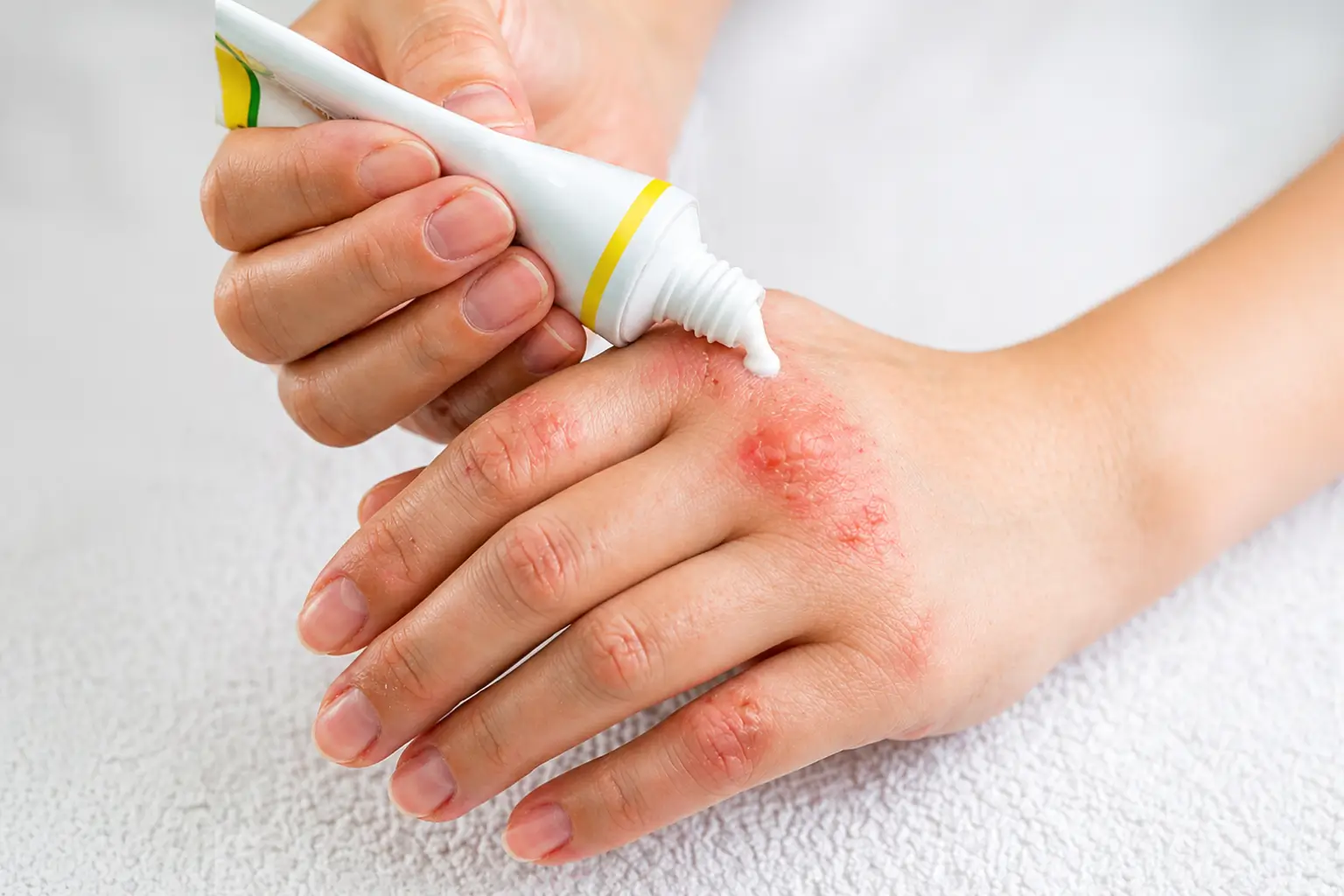
Table of Content:
- Why Dermatologist Treatment Is More Effective
- Step One: Strengthening the Skin Barrier
- Step Two: Controlling Inflammation During Flare-Ups
- Step Three: Treating Moderate to Severe Eczema
- Why Itch Management Is Important
- Common Mistakes That Affect Results
- When to See a Dermatologist
- Final Thoughts
- Frequently Asked Questions
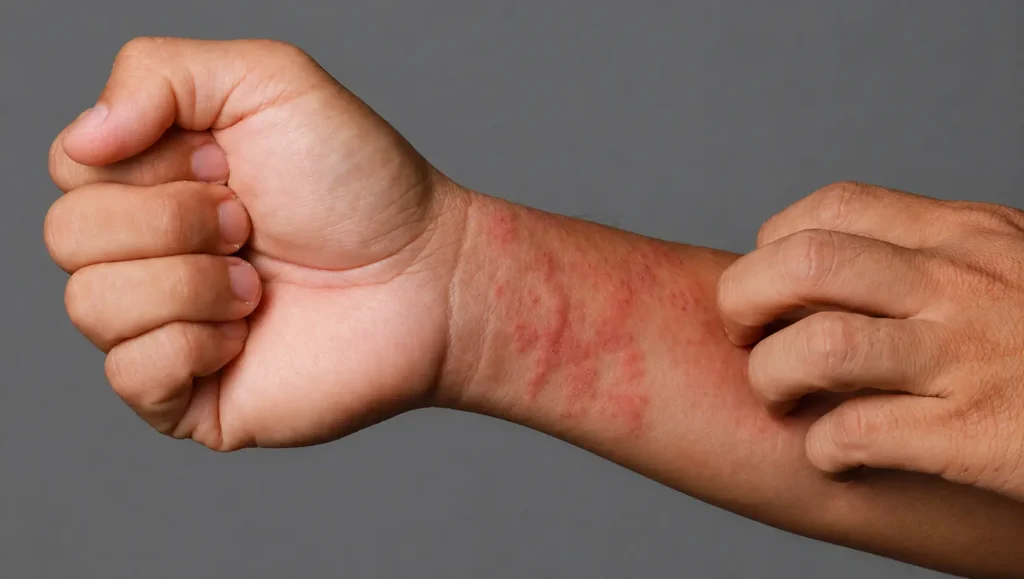
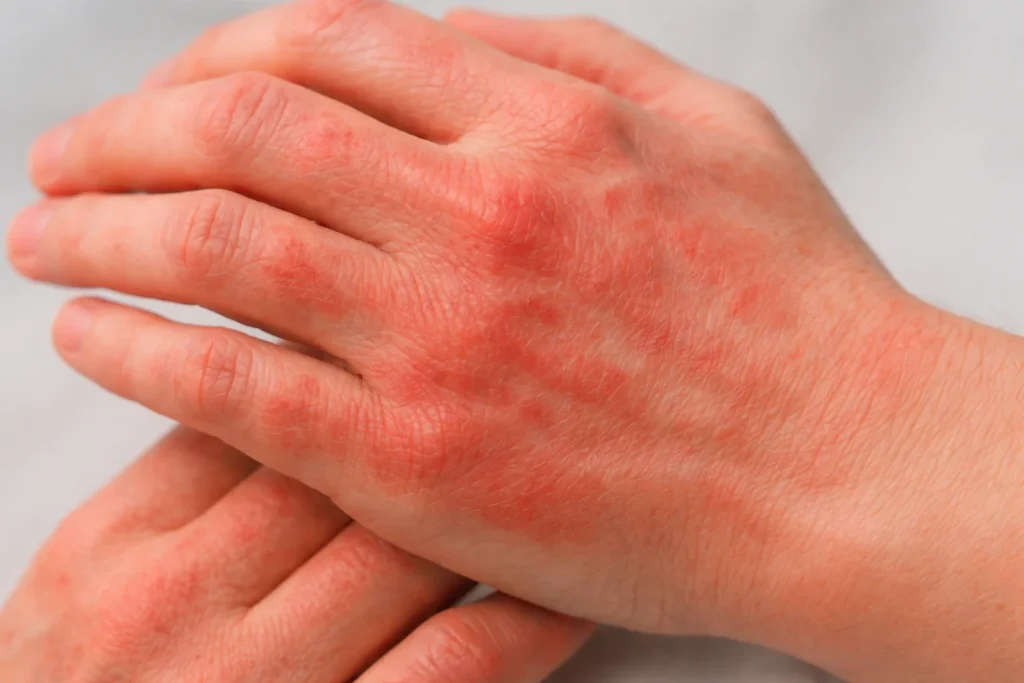
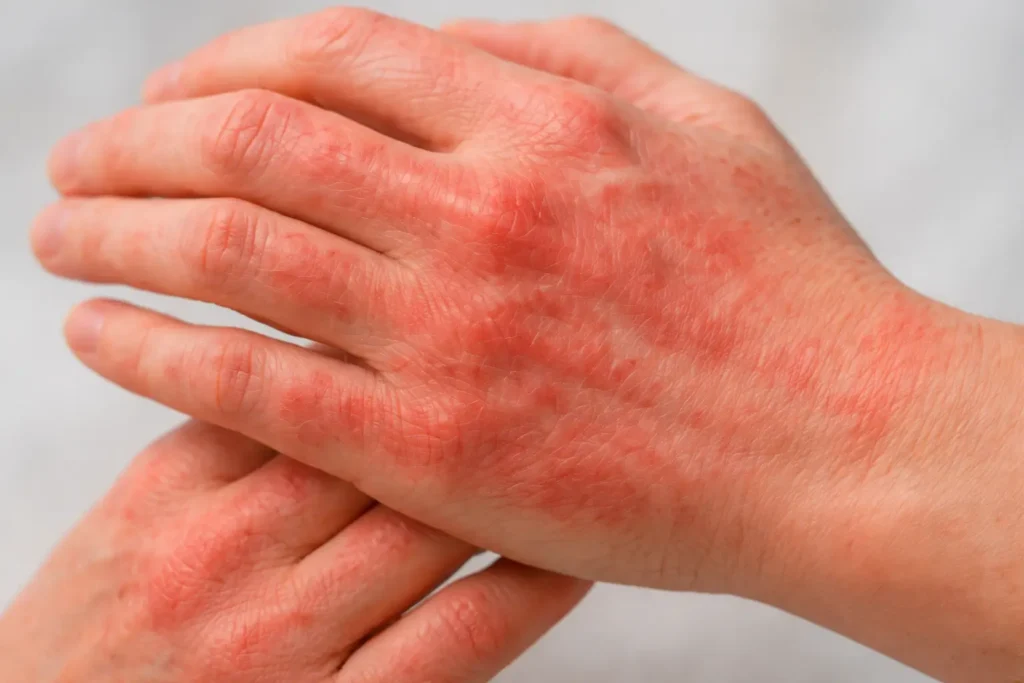
Eczema rarely behaves the way people expect. It may start as mild dryness, but over time it can turn into persistent itching, redness, and irritation that keeps coming back. Many people try different creams hoping for a quick fix, but real improvement usually comes from a more structured approach.
The most common form, Atopic Dermatitis, is not just a surface-level issue. It involves a damaged skin barrier and ongoing inflammation beneath the skin. This is why treatments that only focus on hydration or only target symptoms often fail to deliver long-term results.
Dermatologists treat eczema differently. Instead of relying on one solution, they follow a step-by-step method that focuses on both prevention and control. Once you understand how this approach works, managing eczema becomes far more predictable.
Why Dermatologist Treatment Is More Effective
One of the biggest differences in dermatologist-recommended care is structure. Rather than reacting to flare-ups, treatment is divided into clear stages. There is a routine for daily maintenance, a plan for flare-ups, and additional options if the condition becomes more persistent.
This layered approach helps break the cycle where eczema improves temporarily and then returns again. Without this structure, even good products can feel inconsistent.
Step One: Strengthening the Skin Barrier
The first priority in eczema treatment is repairing the skin barrier. When the skin cannot retain moisture, it becomes more sensitive and prone to irritation.
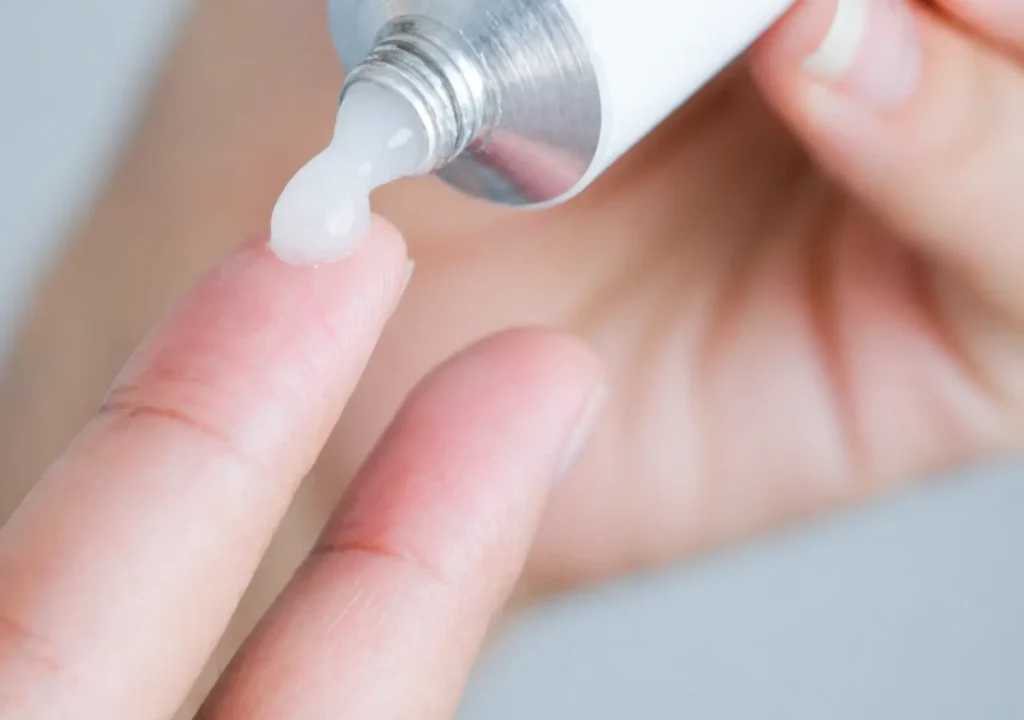
Dermatologists typically recommend thick creams or ointments instead of lotions. These stay on the skin longer and provide better protection. Ingredients like ceramides and petrolatum help restore the barrier and reduce water loss.
Consistency plays a major role here. Applying moisturizer regularly, especially after bathing, helps the skin stay hydrated throughout the day. Skipping this step often leads to recurring dryness and flare-ups.
For more detailed guidance, explore eczema treatments designed to support long-term skin barrier repair.
Gentle cleansing is equally important. Harsh soaps, strong fragrances, and excessive washing can weaken the skin further. A simple, mild cleanser is usually enough to keep the skin clean without causing additional irritation.
Step Two: Controlling Inflammation During Flare-Ups
When eczema flares, inflammation becomes the main issue. At this stage, moisturizers alone are not enough, and targeted treatment is required.
Topical corticosteroids are commonly used to reduce redness and itching. These medications work quickly when applied correctly and are often the first choice for managing active flare-ups.
If you are comparing moisturising care with anti-inflammatory options, read emollients vs steroid creams for eczema.
For sensitive areas or long-term use, non-steroid treatments are often recommended. These help control inflammation without affecting skin thickness, making them suitable for areas like the face and skin folds.
In mild to moderate cases, dermatologists may also prescribe treatments that target specific inflammatory pathways. These options provide an alternative for people who cannot use steroids or need additional support.
A broader overview is available in eczema treatments: types and how they work.
When used properly, these treatments can:
- Reduce inflammation and itching quickly
- Prevent flare-ups from becoming more severe
- Support faster healing of the skin
Step Three: Treating Moderate to Severe Eczema
If eczema becomes widespread or does not respond to topical treatments, dermatologists consider more advanced options.
Phototherapy is one approach, where controlled exposure to ultraviolet light helps reduce inflammation over time. This treatment is usually done under medical supervision and requires regular sessions.
For more severe cases, systemic treatments may be needed. These work from within the body and target the immune response that drives eczema. Modern therapies are more targeted than older options, which makes them more effective for long-term control.
These treatments are typically recommended when:
- Eczema is persistent and affects large areas of the body
- Topical treatments are no longer effective
- Symptoms significantly impact daily life or sleep
Why Itch Management Is Important
Itching is one of the most challenging symptoms of eczema. It not only causes discomfort but also worsens the condition through repeated scratching.
Dermatologists often address itching separately from inflammation. While treating the root cause helps, additional measures may be needed to reduce the urge to scratch.
Simple strategies such as keeping the skin cool, maintaining hydration, and using nighttime support methods can make a noticeable difference. In some cases, medications are used to improve sleep and reduce irritation during the night.
Common Mistakes That Affect Results
Many people struggle with eczema because of how treatments are used rather than the treatments themselves.
Some of the most common issues include:
- Inconsistent use of moisturizers and treatments
- Stopping medication too early once symptoms improve
- Relying only on one type of treatment
- Ignoring triggers such as weather, sweat, or certain fabrics
A consistent and balanced approach usually leads to better long-term results.
When to See a Dermatologist
Not every case of eczema requires specialist care, but certain signs indicate that professional guidance is needed.
If symptoms continue despite regular care, if itching disrupts sleep, or if the condition spreads or becomes painful, it is time to consult a dermatologist. Early treatment can prevent complications and reduce the need for stronger interventions later.
If unsure whether store-bought or prescribed care is more suitable, read OTC vs prescription eczema treatments guide.
A Practical Way to Manage Eczema
Dermatologist-recommended treatment is not about choosing between different options. It is about using the right combination at the right time.
A simple way to think about it:
- Daily care helps maintain the skin barrier
- Targeted treatments control flare-ups
- Advanced therapies manage more severe cases
This approach allows eczema to be managed more effectively instead of constantly reacting to symptoms.
Final Thoughts
Eczema can feel unpredictable, but treatment becomes more manageable when approached in a structured way. Dermatologists focus on both prevention and control, which is why their recommendations tend to deliver better long-term results.
By understanding how different treatments work together, you can move away from trial and error and build a routine that actually supports your skin over time.
Frequently Asked Questions
1. What do dermatologists usually prescribe for eczema first?
Dermatologists typically start with moisturizers to repair the skin barrier and topical corticosteroids to control inflammation during flare-ups. The exact treatment depends on severity and location.
2. Can eczema be treated without prescription medication?
Mild eczema can often be managed with consistent use of moisturizers and gentle skincare. However, moderate to severe cases usually require prescription treatments for proper control.
3. How do I know if my eczema is getting worse?
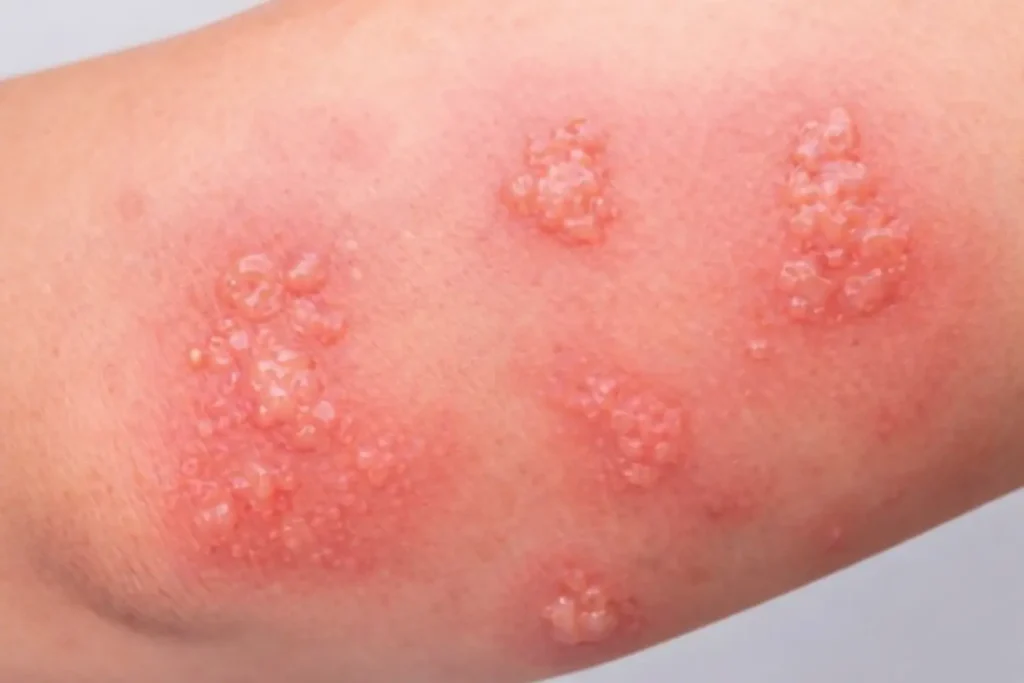
Signs include persistent redness, intense itching, cracked or oozing skin, and symptoms that interfere with sleep or daily activities.
4. Are non-steroid treatments effective for eczema?
Yes, non-steroid treatments are effective, especially for sensitive areas and long-term use. They help control inflammation without the risks associated with prolonged steroid use.
5. What triggers eczema flare-ups the most?
Common triggers include dry weather, sweat, harsh soaps, stress, allergens, and certain fabrics. Identifying personal triggers is important for long-term management.