News & Updates
How to Manage Eczema on Face, Hands and Neck Without Constant Flare-Ups
29 March 2026
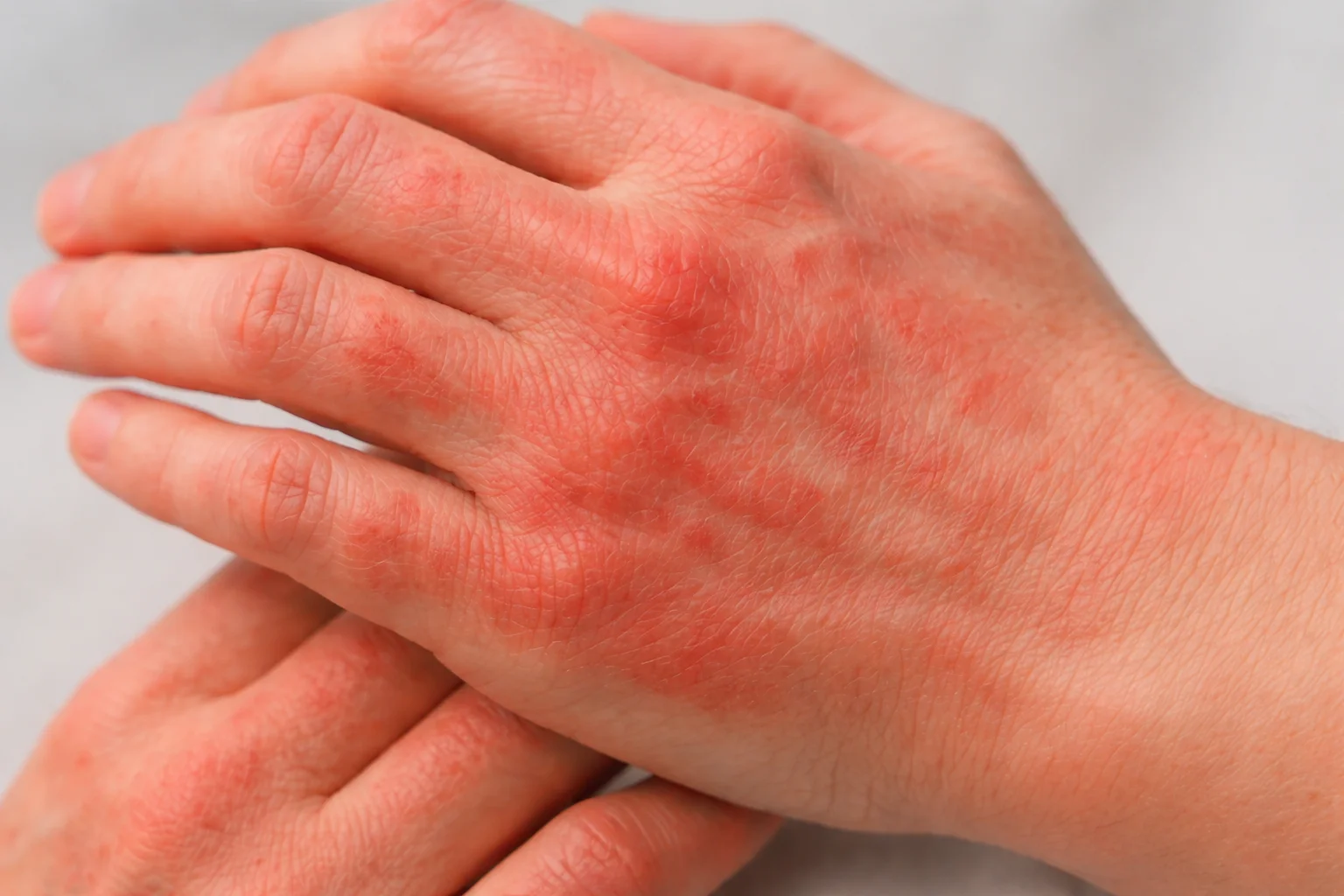
Table of Content
- Why Eczema on Face, Hands and Neck Needs a Different Approach
- Start With Skin Barrier Repair, Not Just Treatment
- When You Need More Than
- Daily Habits That Quietly Make Eczema Worse
- Why Hand Eczema Is Hard to Control
- Understanding Your Triggers Changes Everything
- Does Diet Play a Role
- When to See a Dermatologist
- What Long-Term Control Really Looks Like
- Frequently Asked Questions
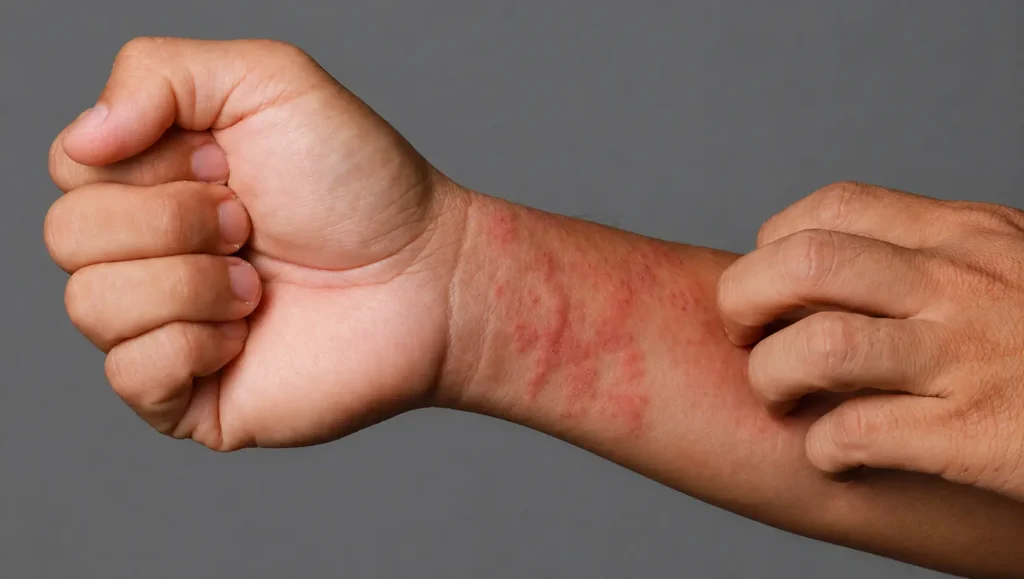
Dealing with eczema on visible areas like the face, hands, and neck is not just a skin issue, it becomes part of your daily routine, your confidence, and even how comfortable you feel in your own skin.
What makes it frustrating is not just the itching or dryness, but the unpredictability. One week your skin feels under control, the next it flares up again without warning. Most people end up trying multiple products, switching routines too quickly, and still not seeing lasting results.
The truth is, managing eczema is less about finding a miracle product and more about understanding how your skin behaves in these specific areas and building a routine that supports it consistently.
Why Eczema on Face, Hands and Neck Needs a Different Approach
These areas behave very differently from the rest of your body.
The face and neck have thinner, more reactive skin. Even a slightly harsh product can trigger redness or irritation. At the same time, hands are constantly exposed to water, soap, and environmental irritants, making recovery harder.
This is why a generic eczema routine often fails. What works for your arms or legs may not work here.
A better approach is to treat each area with awareness of how it’s being used and exposed throughout the day.
Start With Skin Barrier Repair, Not Just Treatment
Most flare-ups begin when the skin barrier weakens. Once that barrier is compromised, moisture escapes and irritants enter more easily, leading to itching and inflammation.
This is why moisturization is not optional, it is the foundation of treatment.
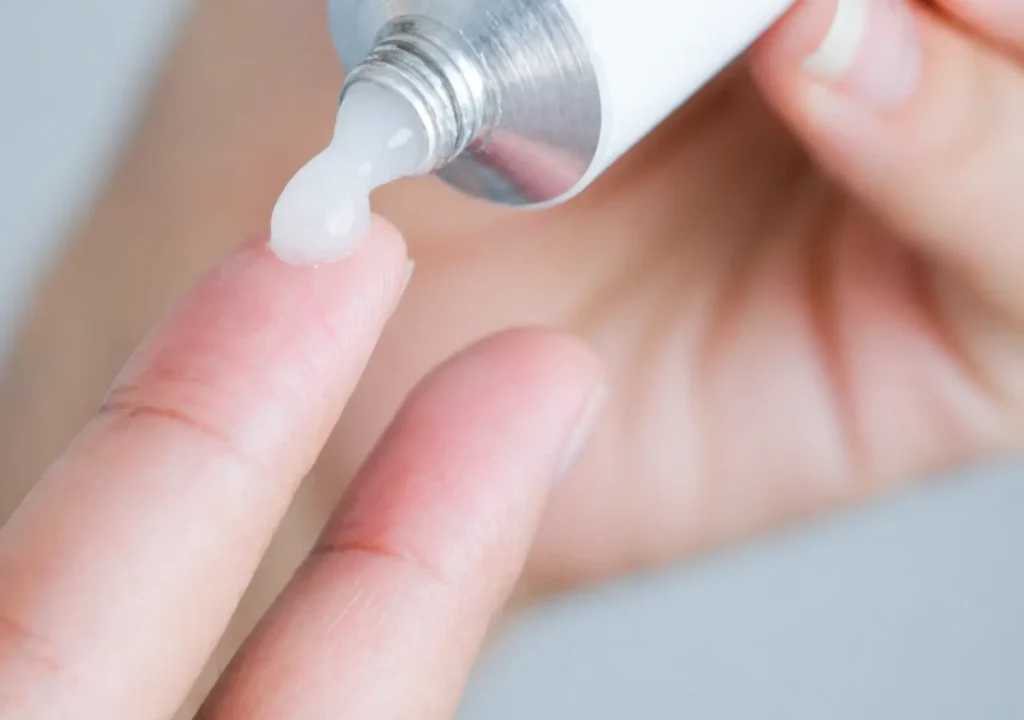
Instead of relying on light lotions, use thicker creams that are designed to lock in hydration. Apply them when your skin is slightly damp, especially after washing your face or hands.
A simple habit that makes a noticeable difference:
- Apply moisturizer within a few minutes after washing
- Reapply on hands every time you wash them
- Use a slightly thicker layer before going to bed
This alone can reduce the frequency of flare-ups over time.
When You Need More Than Moisturizer
There will be times when your skin becomes inflamed despite proper care. This is where targeted treatment becomes necessary.
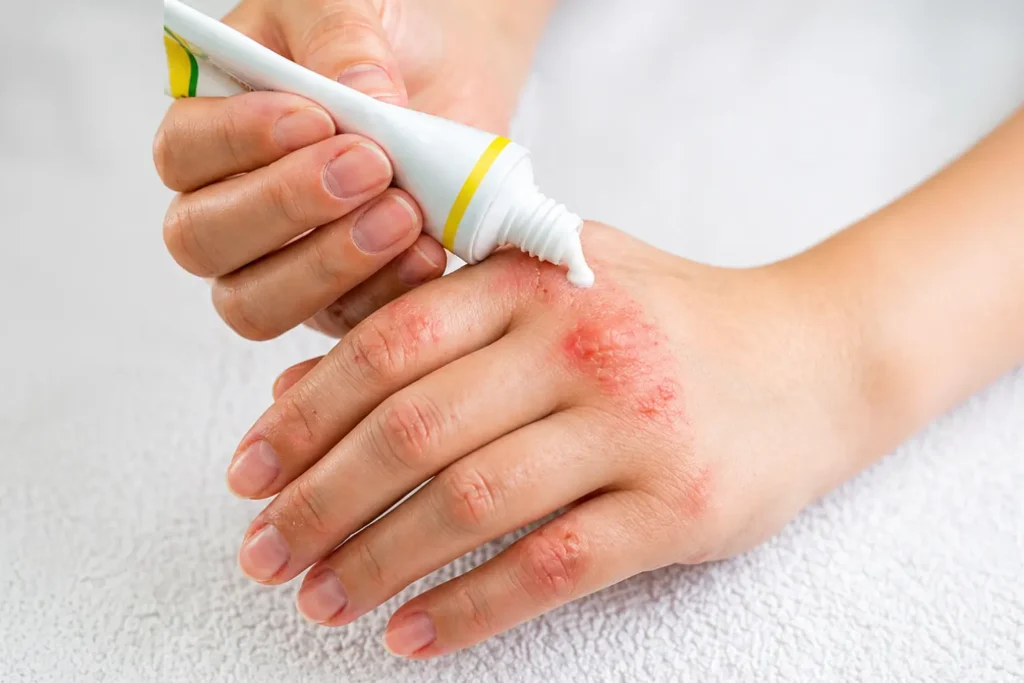
Mild steroid creams like hydrocortisone are commonly used to calm redness and itching during flare-ups. They work quickly, but should be used carefully, especially on the face and neck.
For longer-term management, non-steroid options such as tacrolimus and pimecrolimus are often recommended. These are better suited for sensitive areas and help control inflammation without thinning the skin.
The key is not overusing any treatment. Use them when your skin needs support, then return to maintenance with moisturizers.
Daily Habits That Quietly Make Eczema Worse
A lot of eczema triggers are built into everyday habits, which is why people struggle even when they are using the right products.
Some of the most common ones include:
- Washing with hot water, which strips natural oils
- Using face washes or soaps that leave the skin feeling tight
- Rubbing skin dry instead of gently patting it
- Overusing sanitizers on hands
Switching to lukewarm water, gentle cleansers, and softer drying methods can improve your skin more than adding new products.
Why Hand Eczema Is Hard to Control
If your hands are affected, consistency becomes even more important.
Unlike the face or neck, hands don’t get much recovery time. They are exposed to irritants repeatedly throughout the day.
To reduce flare-ups:
- Use a mild, fragrance-free hand wash
- Apply moisturizer immediately after washing
- Wear gloves when using cleaning products or detergents
These steps may seem basic, but they directly reduce the cycle of damage and irritation that keeps eczema active on the hands.
Understanding Your Triggers Changes Everything
Eczema is not just about what you apply on your skin. It is also about what your skin is exposed to.
Triggers vary from person to person, but some patterns are common:
- Dry weather can worsen symptoms, especially on the face and neck
- Certain fabrics like wool can irritate the skin
- Stress can lead to sudden flare-ups
- Skincare products with fragrance or alcohol can trigger reactions
Once you start identifying your personal triggers, managing eczema becomes far more predictable.
Does Diet Play a Role
Diet is not the primary cause of eczema, but it can influence inflammation levels in the body.
Some people notice sensitivity to specific foods, while others do not. Instead of removing multiple foods at once, it is better to observe patterns and make gradual changes.
Focus on:
- Staying well hydrated
- Eating fresh, minimally processed foods
- Including nutrients that support skin health
When to See a Dermatologist
Not all eczema can be managed at home.
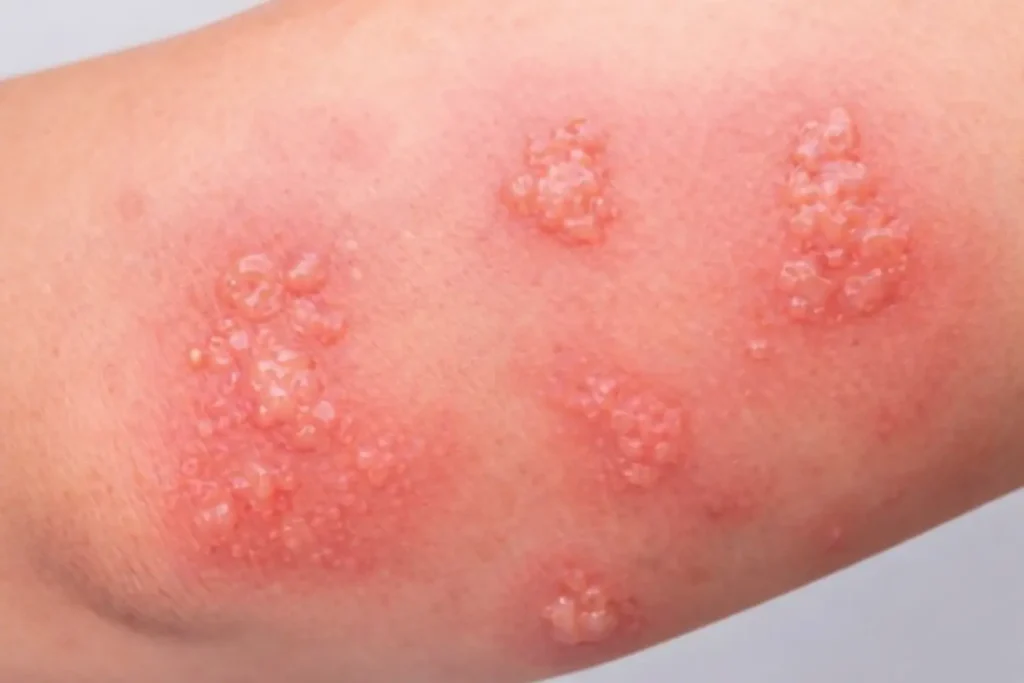
- If your skin becomes painful, swollen, or starts oozing
- If flare-ups keep returning despite a consistent routine
- If over-the-counter treatments stop working
A dermatologist can guide you with prescription treatments or advanced therapies tailored to your condition.
What Long-Term Control Really Looks Like
Eczema does not usually disappear completely, but it can become manageable.
The goal is not to eliminate it overnight, but to reduce flare-ups, shorten their duration, and keep your skin stable most of the time.
This happens when three things come together: consistent moisturization, smart use of treatments during flare-ups, and awareness of personal triggers.
Once this balance is in place, your skin stops feeling unpredictable and becomes easier to manage day by day.
Frequently Asked Questions
What is the fastest way to calm eczema on the face?
The quickest way to calm a flare-up is to combine a gentle moisturizer with a short course of a mild anti-inflammatory treatment like hydrocortisone. Avoid triggers such as hot water or harsh products during this time.
Why does my hand eczema keep coming back even after treatment?
Hand eczema often returns because of repeated exposure to irritants like soap, water, and cleaning chemicals. Protection and consistent moisturization are essential for long-term control.
Are steroid creams safe for eczema on the neck?
Low-strength steroid creams can be used for short periods, but long-term use should be avoided. Non-steroid treatments are generally safer for sensitive areas.
Can eczema spread from one area to another?
Eczema is not contagious, but it can appear in new areas if triggers persist or the skin barrier weakens.
How do I know if my eczema is infected?
Signs include increased pain, swelling, oozing, crust formation, or warmth in the affected area. Medical attention is recommended in such cases.