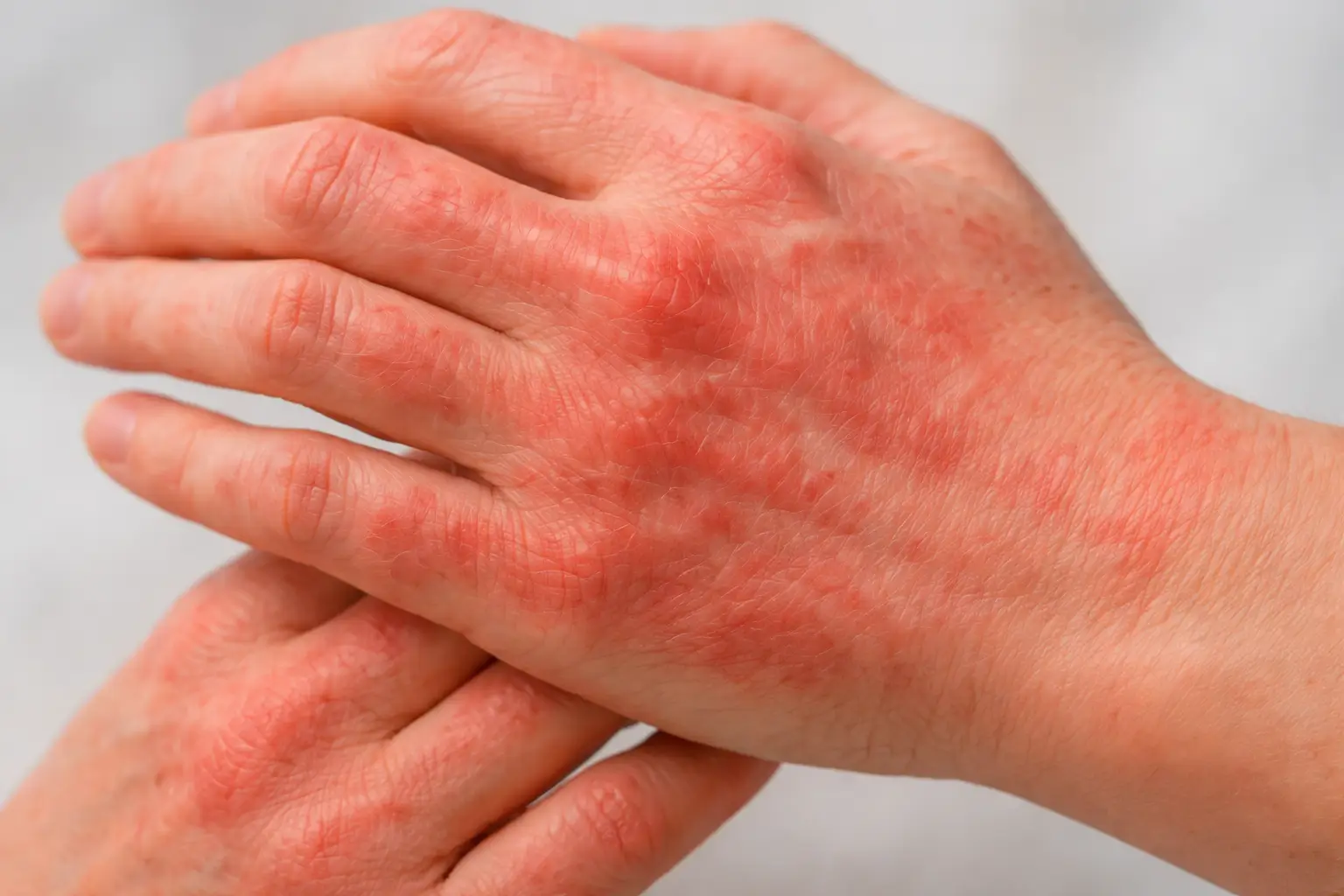
Eczema is not a temporary skin irritation or a cosmetic concern. It is a chronic inflammatory condition that affects the skin’s ability to protect itself from irritants, allergens, and moisture loss. Because eczema varies in severity, triggers, and response to treatment, effective management depends on choosing the right treatment at the right stage, rather than relying on a single solution.
This guide explains the main types of eczema treatments, how they work, and when each option is typically recommended, so individuals can better understand treatment decisions and know when medical guidance is necessary.
Important: This content is for educational purposes only. Prescription eczema treatments should always be used under the supervision of a qualified healthcare professional.
Understanding Eczema Before Choosing Treatment
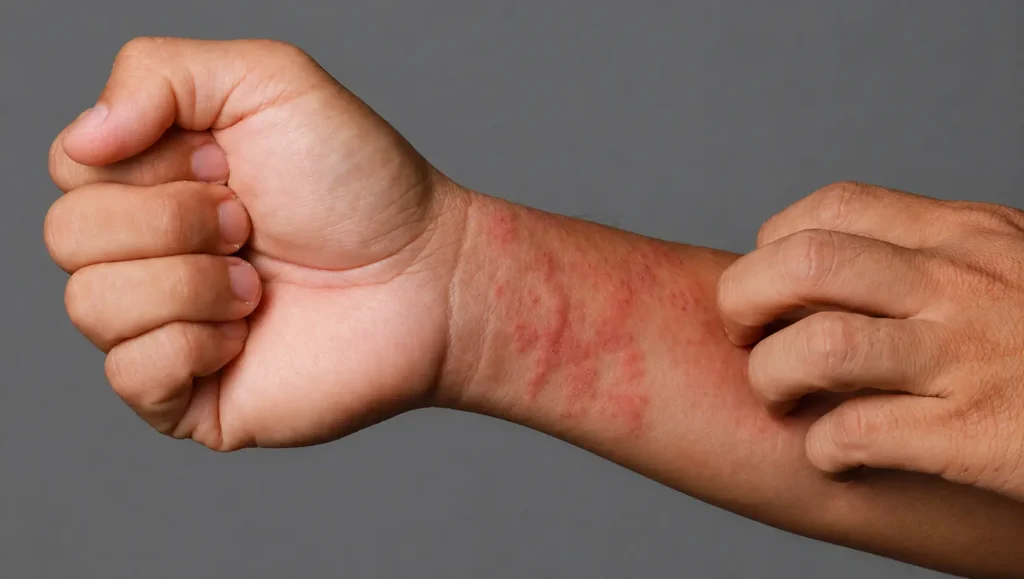
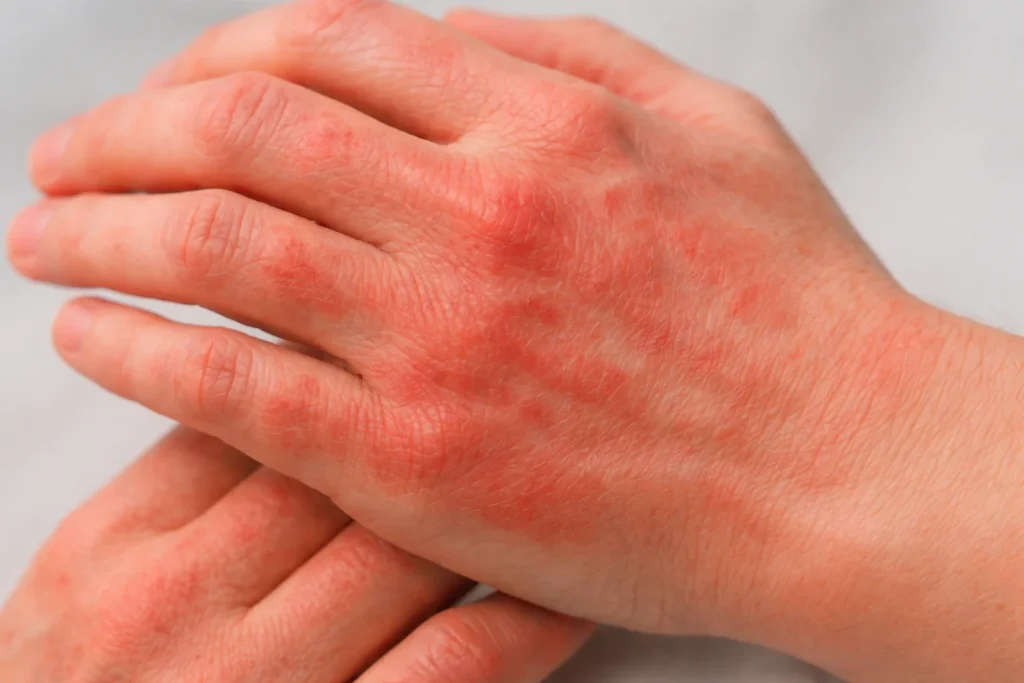
Eczema, most commonly atopic dermatitis, develops when the skin barrier becomes compromised. Healthy skin retains moisture and blocks harmful substances. In eczema-prone skin, this barrier is weakened, allowing irritants and allergens to trigger inflammation and immune overactivity – a process explained in more detail in the eczema condition overview.
Effective eczema treatment focuses on three core goals:
- Restoring and protecting the skin barrier
- Reducing inflammation and itching
- Preventing recurrent flare-ups
Treatment choice depends on multiple factors, including symptom severity, affected body areas, age, frequency of flares, and response to previous treatments. Skipping this evaluation often leads to ineffective or short-lived results.
How Eczema Treatments Are Classified
Eczema treatments are classified by function and intensity, not by brand or popularity.
They generally fall into:
- Maintenance treatments for long-term control
- Anti-inflammatory treatments for flare management
- Topical therapies applied directly to the skin
- Systemic therapies that act on the immune system
Clinicians typically follow a step-up treatment approach, escalating therapy only when lower-intensity options fail to control symptoms.
Topical Treatments for Eczema
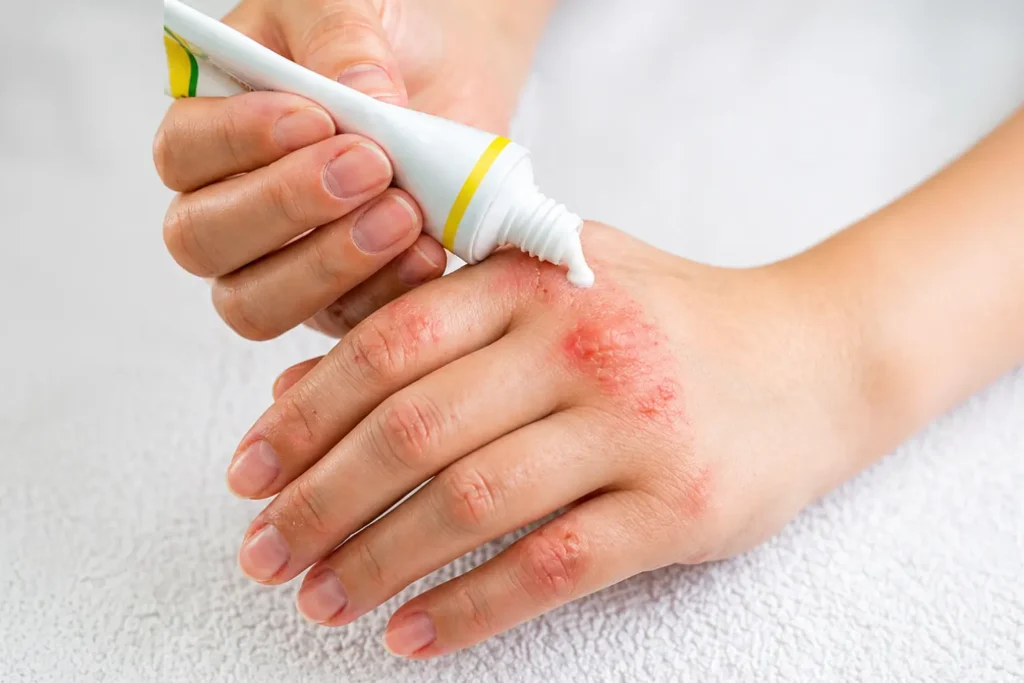
Topical treatments form the foundation of eczema management and are used across all severity levels.
Moisturizers & Emollients
Moisturizers are not optional in eczema care—they are essential medical maintenance therapy.
How they work:
They reduce moisture loss, strengthen the skin barrier, and make the skin less reactive to triggers.
When to use them:
- Daily, even when eczema appears controlled
- As the primary treatment for mild eczema
- Alongside prescription treatments to reduce flare frequency
Consistent moisturization can significantly reduce symptom severity and medication reliance.
Topical Corticosteroids
Topical corticosteroids are the most commonly prescribed treatment for active eczema flares.
How they work:
They suppress local inflammation, reduce redness and swelling, and relieve itching.
When to use them:
- During active flare-ups
- For short, controlled treatment periods
- When moisturizers alone are insufficient
Different steroid strengths are used depending on the body area and severity. Improper use can lead to skin thinning and rebound flares, which is why medical guidance is essential.
Topical Calcineurin Inhibitors
These non-steroidal prescription creams are often used as alternatives or complements to topical steroids.
How they work:
They block immune signals that drive inflammation without affecting skin thickness.
When to use them:
- On sensitive areas such as the face, eyelids, and skin folds
- For long-term maintenance in patients with frequent flares
- When steroid-related side effects are a concern
They are commonly used in chronic or recurrent eczema.
PDE-4 and JAK Inhibitor Creams
These newer topical treatments target specific inflammatory pathways.
How they work:
They inhibit precise immune signals involved in eczema rather than broadly suppressing immune activity.
When to use them:
- Mild to moderate eczema not responding well to traditional topical treatments
- Patients requiring steroid-sparing options
- Under prescription guidance
These therapies reflect a shift toward targeted eczema management.
Systemic Treatments for Moderate to Severe Eczema
When topical therapies no longer control symptoms or eczema significantly affects quality of life, systemic treatment may be required.
Oral Antihistamines
How they work:
They reduce itching by blocking histamine-related pathways.
When to use them:
- For severe itching, particularly at night
- As supportive therapy alongside anti-inflammatory treatment
They do not treat underlying inflammation.
Oral Corticosteroids
How they work:
They suppress inflammation throughout the body.
When to use them:
- Short-term control of severe, widespread flares
- As a temporary measure while transitioning to safer long-term therapies
Long-term use is generally avoided due to side effects and rebound risks.
Immunosuppressive Medications
How they work:
They reduce immune system overactivity responsible for chronic inflammation.
When to use them:
- Severe eczema unresponsive to topical treatments
- Persistent symptoms significantly affecting daily life
These medications require close medical monitoring.
Biologic & Advanced Targeted Therapies
Biologic therapies represent a major advancement in eczema treatment.
How they work:
They target specific immune pathways involved in eczema rather than suppressing the entire immune system.
When to use them:
- Moderate to severe eczema not controlled with conventional treatments
- Patients requiring long-term disease control
These treatments are typically prescribed and managed by specialists.
Light Therapy (Phototherapy)
Phototherapy uses controlled ultraviolet light exposure to treat eczema.
How it works:
UV light reduces inflammation, slows skin cell turnover, and suppresses immune activity in the skin.
When to use it:
- Moderate eczema resistant to topical therapy
- Patients seeking non-drug treatment options
Treatment must be medically supervised to ensure safety and effectiveness.
Natural & Complementary Approaches
Some complementary approaches may support eczema management, but they should not replace medical treatment.
Potentially supportive strategies include:
- Fragrance-free skincare routines
- Identifying and avoiding known triggers
- Dietary changes only when medically indicated
Unproven remedies can sometimes worsen symptoms and should be approached cautiously.
Lifestyle & Trigger Management
Daily habits play a critical role in long-term eczema control.
Key strategies include:
- Gentle bathing and consistent moisturization
- Avoiding harsh soaps and fragrances
- Wearing breathable, non-irritating fabrics
- Managing environmental and stress-related triggers
Consistency is often the deciding factor between stable control and frequent flares.
Eczema Treatment by Severity Level
Mild Eczema
- Daily moisturizers
- Trigger avoidance
- Occasional low-potency topical anti-inflammatory treatments
Moderate Eczema
- Regular topical anti-inflammatory therapy
- Non-steroidal maintenance treatments
- Possible phototherapy
Severe Eczema
- Systemic or biologic therapies
- Specialist-led treatment plans
- Ongoing medical monitoring
Common Eczema Treatment Mistakes
- Using topical steroids incorrectly or inconsistently
- Stopping maintenance therapy once symptoms improve
- Relying solely on unproven remedies
- Delaying medical care during worsening flares
These mistakes often prolong symptoms and increase flare severity.
Frequently Asked Questions
1. How long does eczema treatment take to work?
Some treatments provide relief within days, while others require weeks of consistent use.
2. Can eczema be cured permanently?
There is no permanent cure, but long-term control is achievable with proper management.
3. Is long-term eczema treatment safe?
Yes, when treatments are selected appropriately and monitored by a healthcare professional.
Final Takeaway
Eczema treatment is not about quick fixes. It requires consistent skincare, informed treatment choices, and timely escalation when necessary. With the right approach, most people can achieve lasting symptom control and significantly improve their quality of life.