News & Updates
Emollients vs Steroid Creams: Which Is Right for Eczema?
10 April 2026
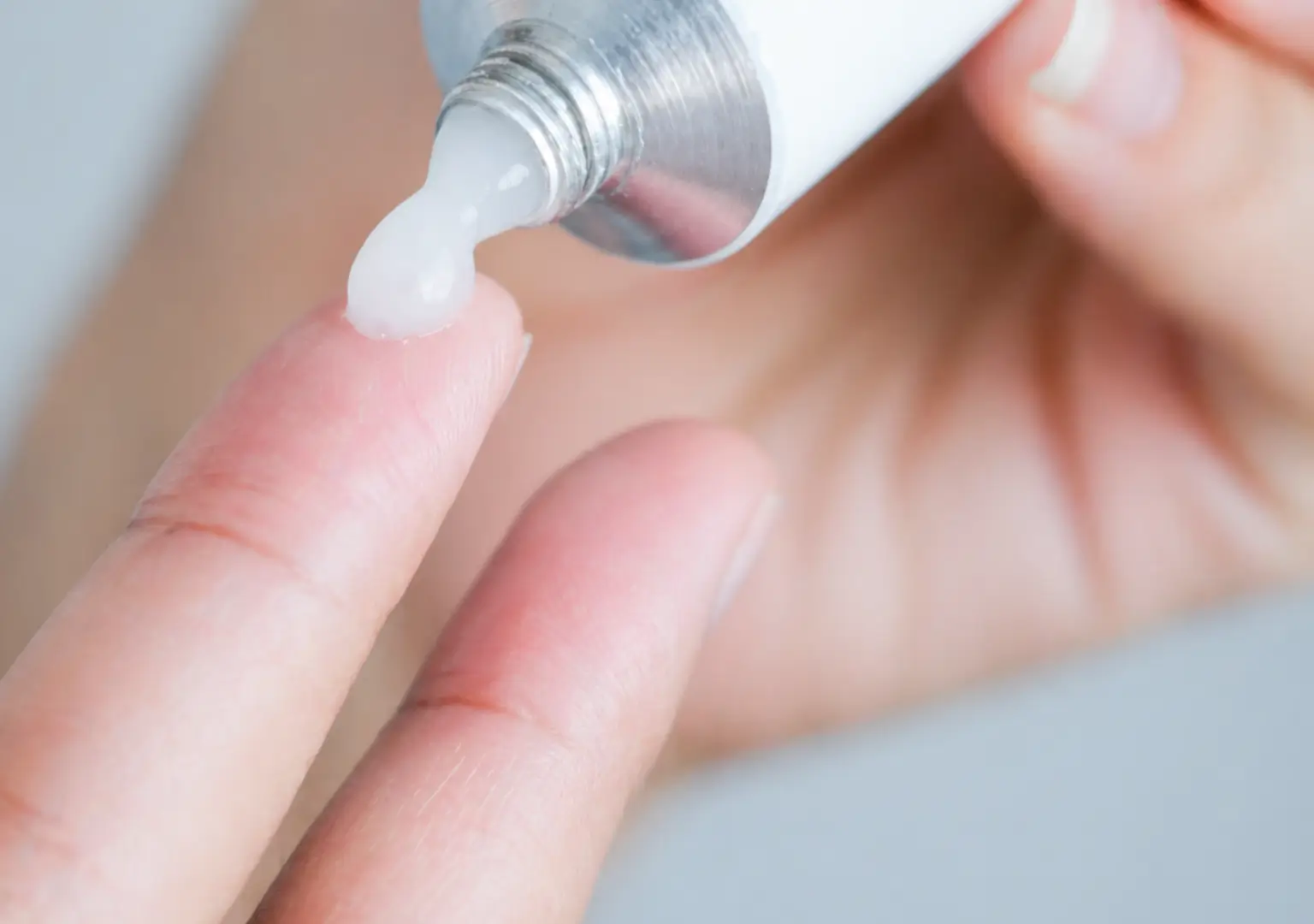
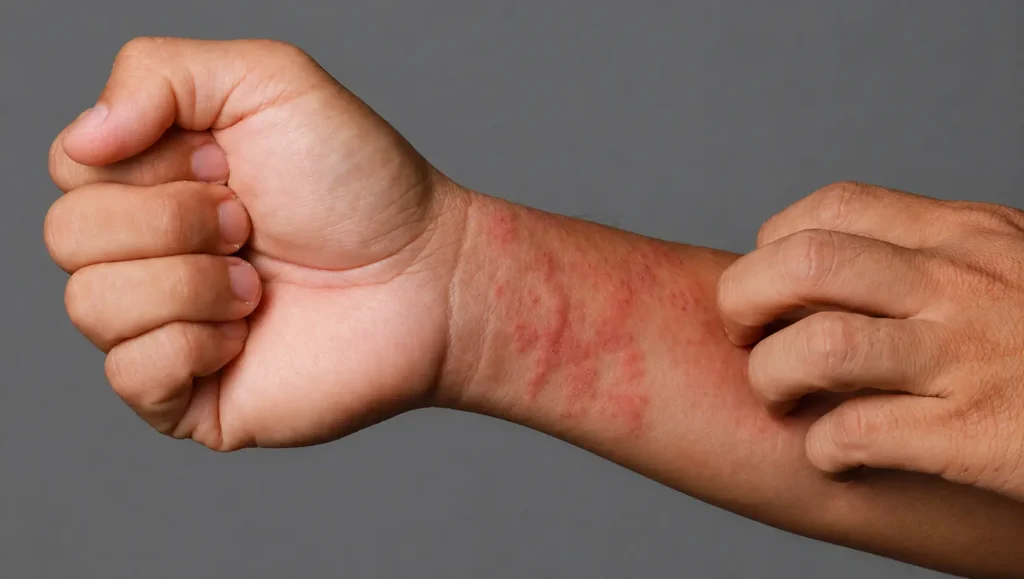
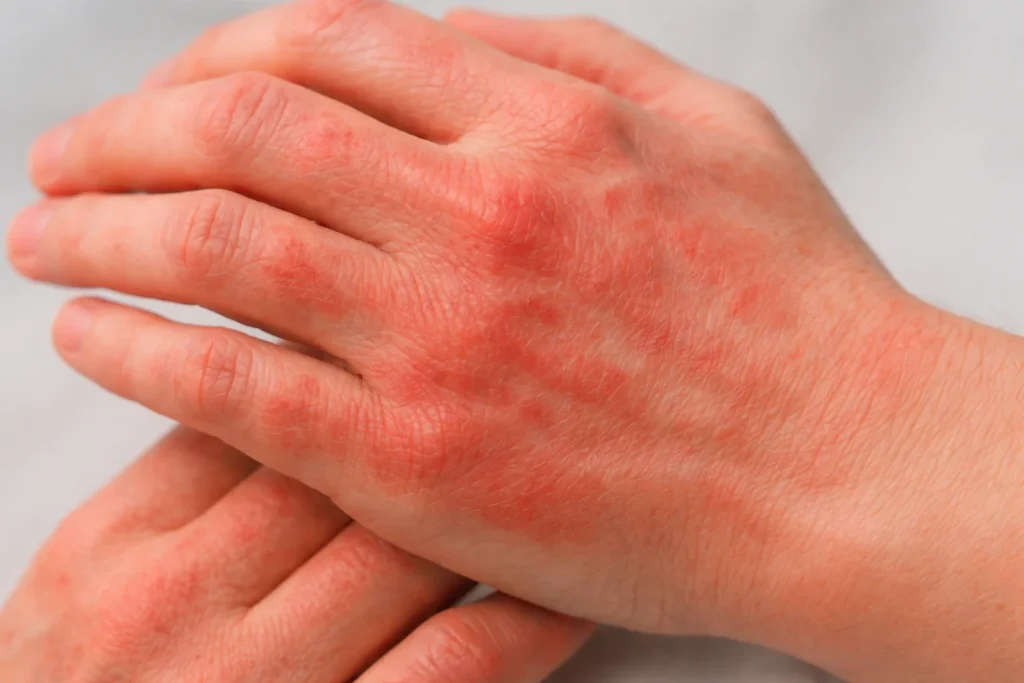
Eczema is more than just dry skin. It is a chronic condition that weakens the skin barrier, making it prone to dryness, irritation, and inflammation. For many people, managing eczema comes down to choosing the right topical treatment. Two of the most commonly used options are emollients and steroid creams. While they are often mentioned together, they serve very different purposes.
Understanding how each works, when to use them, and how they fit into a treatment routine can make a significant difference in controlling symptoms and preventing flare-ups.
What Are Emollients?
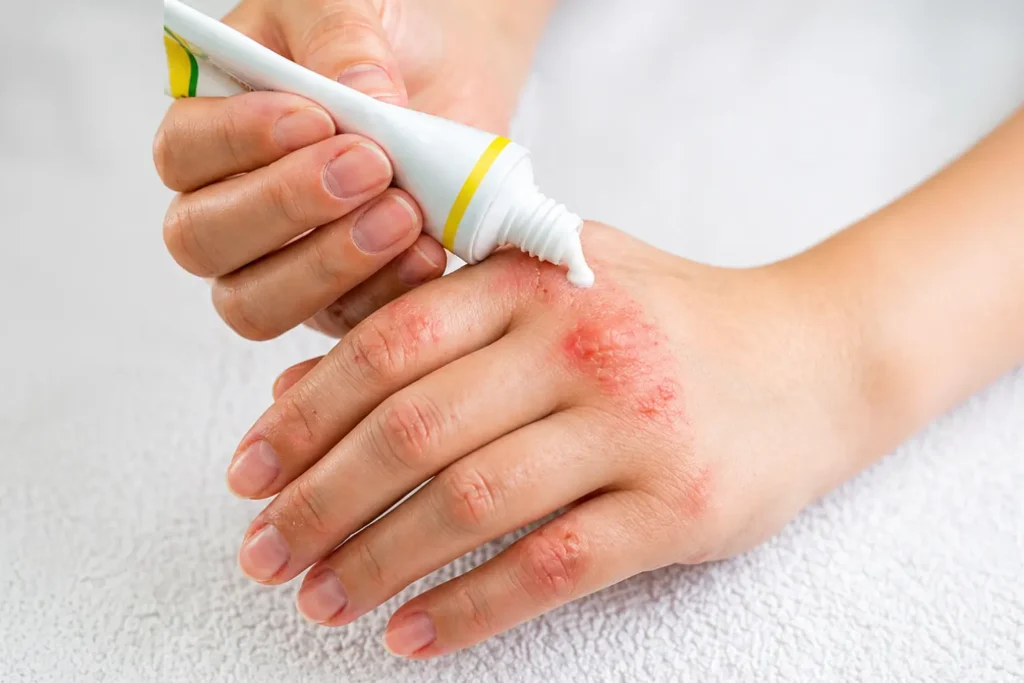
Emollients are moisturizers designed to hydrate and protect the skin. They work by forming a barrier on the surface that reduces water loss and helps repair the damaged skin barrier.
They come in several forms, including creams, ointments, lotions, and gels. Ointments tend to be thicker and more effective for very dry skin, while lotions are lighter and easier to apply during the day.
Why Emollients Matter in Eczema
Eczema-prone skin loses moisture quickly. Without proper hydration, the skin becomes dry, cracked, and more susceptible to irritation and infection. Emollients address the root issue by restoring moisture and improving the skin’s protective function.
Regular use can:
- Reduce dryness and itching
- Prevent flare-ups
- Improve skin texture over time
- Reduce the need for stronger medications
When to Use Emollients
Emollients should be used daily, even when the skin appears clear. They are not just a treatment for symptoms but a long-term maintenance strategy.
Apply them:
- At least twice a day
- After bathing, when the skin is slightly damp
- Before bed for overnight hydration
Consistency is key. Skipping moisturization often leads to worsening symptoms.
What Are Steroid Creams?
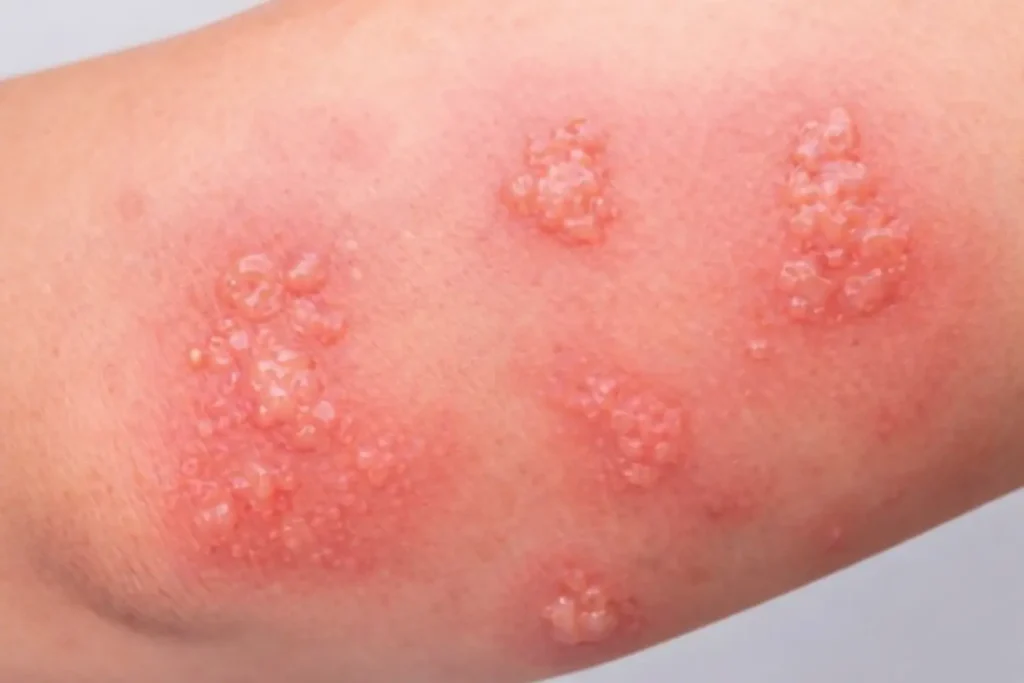
Steroid creams, also known as topical corticosteroids, are anti-inflammatory medications used to control eczema flare-ups. They reduce redness, swelling, and itching by calming the immune response in the skin.
They are available in different strengths, ranging from mild to very potent. The strength prescribed depends on factors such as age, severity of eczema, and the area of the body affected.
How Steroid Creams Help
Unlike emollients, steroid creams do not primarily hydrate the skin. Their main role is to quickly control inflammation during a flare.
They can:
- Reduce redness and swelling
- Relieve intense itching
- Help the skin heal during active flare-ups
When to Use Steroid Creams
Steroid creams should be used during flare-ups, not as a daily routine unless advised by a healthcare professional.
Typical use includes:
- Applying a thin layer to affected areas once or twice daily
- Using them for a short period until symptoms improve
- Gradually stopping as the skin heals
Overuse or incorrect use can lead to side effects such as thinning of the skin, so guidance from a doctor or pharmacist is important.
Also Read: How to Manage Eczema on Face, Hands and Neck Without Constant Flare-Ups
Key Differences Between Emollients and Steroid Creams
- Purpose: Emollients focus on hydration and barrier repair. Steroid creams target inflammation.
- Frequency of Use: Emollients are used daily and long term. Steroid creams are used short term during flare-ups.
- Role in Treatment: Emollients are the foundation of eczema care. Steroid creams are added when symptoms worsen.
- Safety Profile: Emollients are generally safe for frequent use. Steroid creams require careful use, especially in children or sensitive areas.
Can You Use Them Together?
Yes, and in most cases, you should.
A common approach is:
- Apply the steroid cream to inflamed areas
- Wait about 20 to 30 minutes
- Apply the emollient over the entire skin
This ensures that the steroid is properly absorbed while still maintaining hydration across the skin.
Using both correctly can:
- Speed up healing
- Reduce the duration of flare-ups
- Lower the need for stronger treatments
Choosing the Right Option for You
The choice between emollients and steroid creams is not about picking one over the other. It is about knowing when each is needed.
Choose Emollients If:
- Your skin feels dry or tight
- You want to prevent flare-ups
- You are managing eczema daily
Choose Steroid Creams If:
- You have redness, swelling, or itching
- Your eczema is actively flaring
- Emollients alone are not enough
For many people, the most effective strategy is a combination of both.
Common Mistakes to Avoid
- Using Steroid Creams Too Late: Delaying treatment during a flare can make symptoms worse and harder to control. Early use can prevent escalation.
- Skipping Emollients: Relying only on steroid creams without daily moisturization often leads to recurring flare-ups.
- Applying Too Little Emollient: A small amount is rarely enough. Generous application is usually needed for proper hydration.
- Fear of Steroid Creams: Concerns about side effects are common, but when used correctly, topical steroids are safe and effective. Avoiding them completely can lead to prolonged discomfort.
Practical Tips for Better Results
- Use fragrance-free and hypoallergenic products
- Avoid known triggers such as harsh soaps and extreme temperatures
- Keep nails short to reduce skin damage from scratching
- Wear soft, breathable fabrics like cotton
- Follow medical advice for long-term management
When to Seek Medical Advice
If eczema is not improving despite regular use of emollients and appropriate steroid creams, it is important to consult a healthcare professional.
You should also seek help if:
- The skin becomes infected
- Symptoms are severe or widespread
- You are unsure about the correct strength of steroid to use
A tailored treatment plan can help address persistent or severe cases.
If you are exploring treatments for other conditions beyond eczema, you can browse our full range of options, including solutions for erectile dysfunction treatments, designed to support different health needs.
Final Thoughts
Managing eczema effectively requires a balanced approach. Emollients form the foundation by keeping the skin hydrated and resilient. Steroid creams step in when inflammation needs to be controlled quickly.
Rather than choosing between them, the focus should be on using both appropriately. With consistent care and the right guidance, it is possible to reduce flare-ups, improve skin health, and maintain long-term control over eczema.