News & Updates
Hair Loss vs Hair Breakage: Key Differences, Causes, & How to Identify Them
3 May 2026
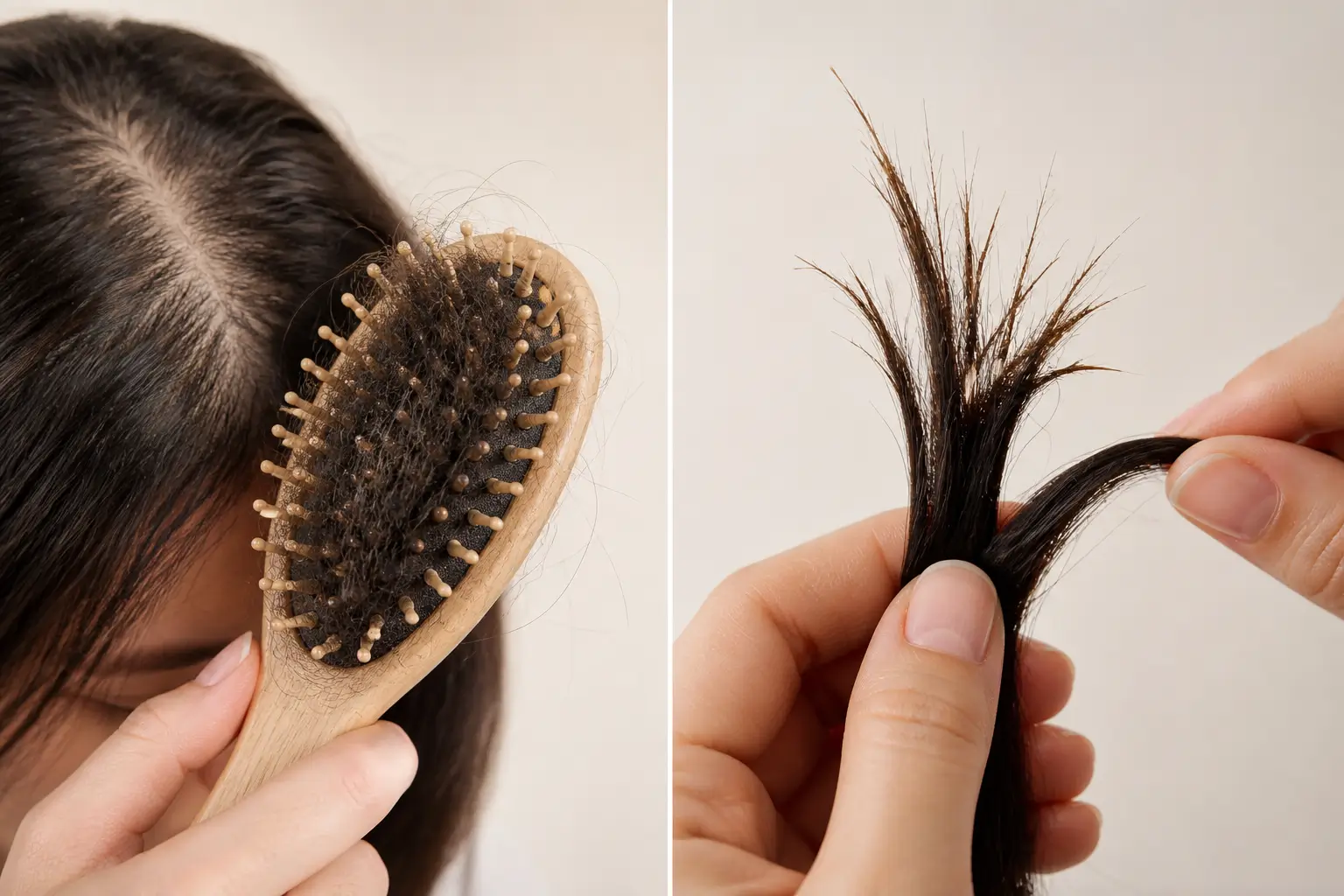
Understanding whether you are dealing with hair loss or hair breakage is essential for selecting the correct treatment approach. While both conditions may lead to reduced hair volume and visible thinning, they differ significantly in their underlying causes, clinical presentation, and long-term implications. A clear distinction helps avoid misdiagnosis and ensures that corrective measures are both targeted and effective. For a comprehensive overview of hair loss causes and treatment options.
Understanding Hair Loss
Hair loss is a condition in which hair sheds from the follicle, often as a result of disruptions in the natural hair growth cycle. It may be temporary or progressive, depending on the contributing factors. Common clinical conditions include Androgenetic Alopecia and Alopecia Areata.
Causes and contributing factors
Hair loss is typically associated with a combination of internal factors:
- Genetic predisposition
- Hormonal imbalances, including thyroid-related issues
- Nutritional deficiencies such as low iron, vitamin D, or protein intake
- Autoimmune responses affecting hair follicles
- Physical or emotional stress
- Certain medications or medical treatments
How it presents clinically
Hair loss tends to follow recognizable patterns and is often progressive in nature. Individuals may notice increased hair shedding, particularly during washing or brushing. Over time, this may lead to visible thinning across the scalp, a widening part line, or recession at the temples.
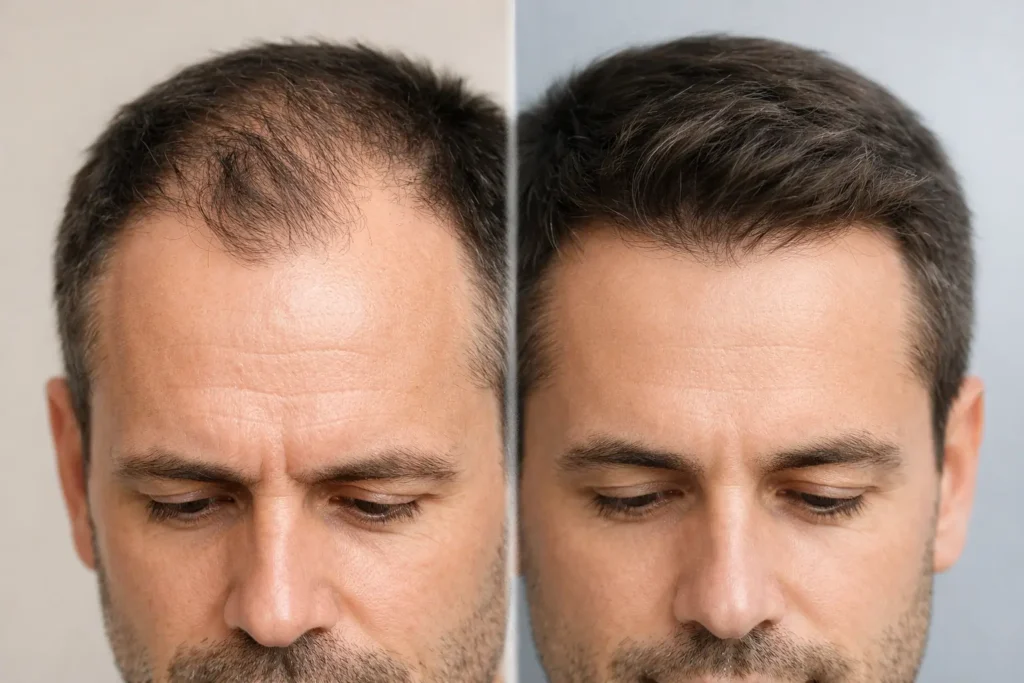
In early stages, changes in the hairline can be subtle and sometimes confused with natural ageing. Understanding receding vs maturing hairline differences is important in determining whether the change is part of a normal maturation process or an indication of pattern hair loss.
Understanding Hair Breakage
Hair breakage, in contrast, is a structural issue affecting the hair shaft rather than the follicle. It occurs when the hair fibre becomes weakened and snaps along its length. This condition is usually the result of external damage rather than internal physiological changes.
Causes and contributing factors
Hair breakage is commonly linked to:
- Frequent use of heat styling tools
- Chemical treatments such as bleaching, colouring, or relaxing
- Mechanical stress from tight hairstyles or excessive brushing
- Lack of moisture or imbalance between protein and hydration
- Environmental exposure, including sun and pollution
- Use of harsh or unsuitable hair care products
How it presents clinically
Unlike hair loss, breakage does not originate at the root. Instead, it results in shorter, uneven strands that affect the overall appearance and texture of the hair. Hair may feel dry, brittle, and more prone to tangling. Split ends and frizz are also common indicators.
Key Differences in Diagnosis
Accurate identification requires a structured assessment of both the hair strands and the pattern of change.
Strand examination
One of the simplest diagnostic methods is to examine a fallen strand:
- A strand with a small white bulb at the end indicates hair loss from the follicle
- A strand without a bulb, often with a rough or tapered end, indicates breakage
Pattern of thinning
Hair loss generally leads to uniform thinning or follows specific patterns, particularly at the crown or hairline. In contrast, breakage creates an uneven distribution of hair length, often without significant scalp visibility in early stages.
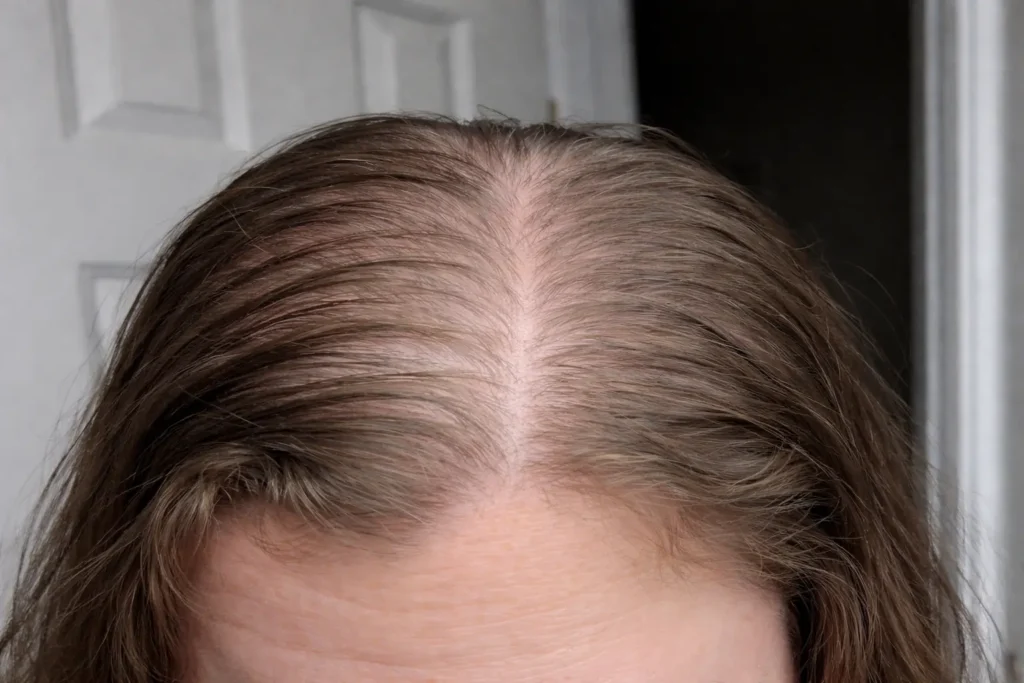
In some individuals, thinning becomes noticeable through increased scalp exposure, particularly a widening part as an early sign of hair loss. This is often an early indicator of reduced follicular density rather than shaft damage.
Texture and manageability
Hair loss does not immediately alter the texture of the remaining hair. Breakage, however, significantly affects hair quality, making it feel coarse, dry, and difficult to manage.
Length consistency
With hair loss, the remaining strands usually retain consistent length. Breakage leads to visible variation, with shorter strands distributed unevenly throughout the hair.
Shedding patterns
While it is normal to lose between 50 and 100 hairs per day, excessive shedding typically indicates hair loss. Breakage may not increase the number of strands shed but reduces overall hair volume due to fragmentation.
Can Hair Loss and Breakage Occur Together
In many cases, individuals may experience both conditions simultaneously. For example, nutritional deficiencies or hormonal imbalances can weaken hair at the root while also affecting the structural integrity of the shaft. Additionally, age-related factors can contribute to gradual thinning. This is particularly relevant in cases of hair loss in your 30s and what changes, where physiological and lifestyle shifts begin to influence hair density and quality.
When to Seek Professional Advice
A professional evaluation is recommended if:
- Hair shedding becomes persistent or excessive
- Noticeable bald patches or rapid hairline recession occurs
- Scalp irritation, inflammation, or discomfort is present
- There is no improvement despite appropriate hair care adjustments
A dermatologist or trichologist may conduct a detailed scalp examination, review medical history, and recommend diagnostic tests to determine the underlying cause.
Treatment Approach Based on Diagnosis
Managing hair loss
- Treatment focuses on addressing internal causes and supporting follicular health:
- Correcting nutritional deficiencies
- Managing underlying medical or hormonal conditions
- Using clinically supported treatments such as Minoxidil where appropriate
- Adopting lifestyle changes to reduce stress and improve overall health
Managing hair breakage
The approach is primarily protective and restorative:
- Reducing heat styling and chemical exposure
- Using conditioning treatments to restore moisture and strength
- Selecting mild, suitable hair care products
- Avoiding excessive tension from styling practices
- Regular trimming to remove damaged ends
Conclusion
Hair loss and hair breakage are distinct conditions that require different diagnostic and treatment approaches. While hair loss originates from the follicle and often reflects internal health factors, breakage is typically the result of external damage to the hair shaft. Careful evaluation of symptoms, supported by a clear understanding of underlying causes, allows for more precise and effective management. Early identification and targeted intervention play a crucial role in maintaining long-term hair health