News & Updates
Hair Loss in Your 20s: Is This Normal or a Warning Sign?
2 February 2026
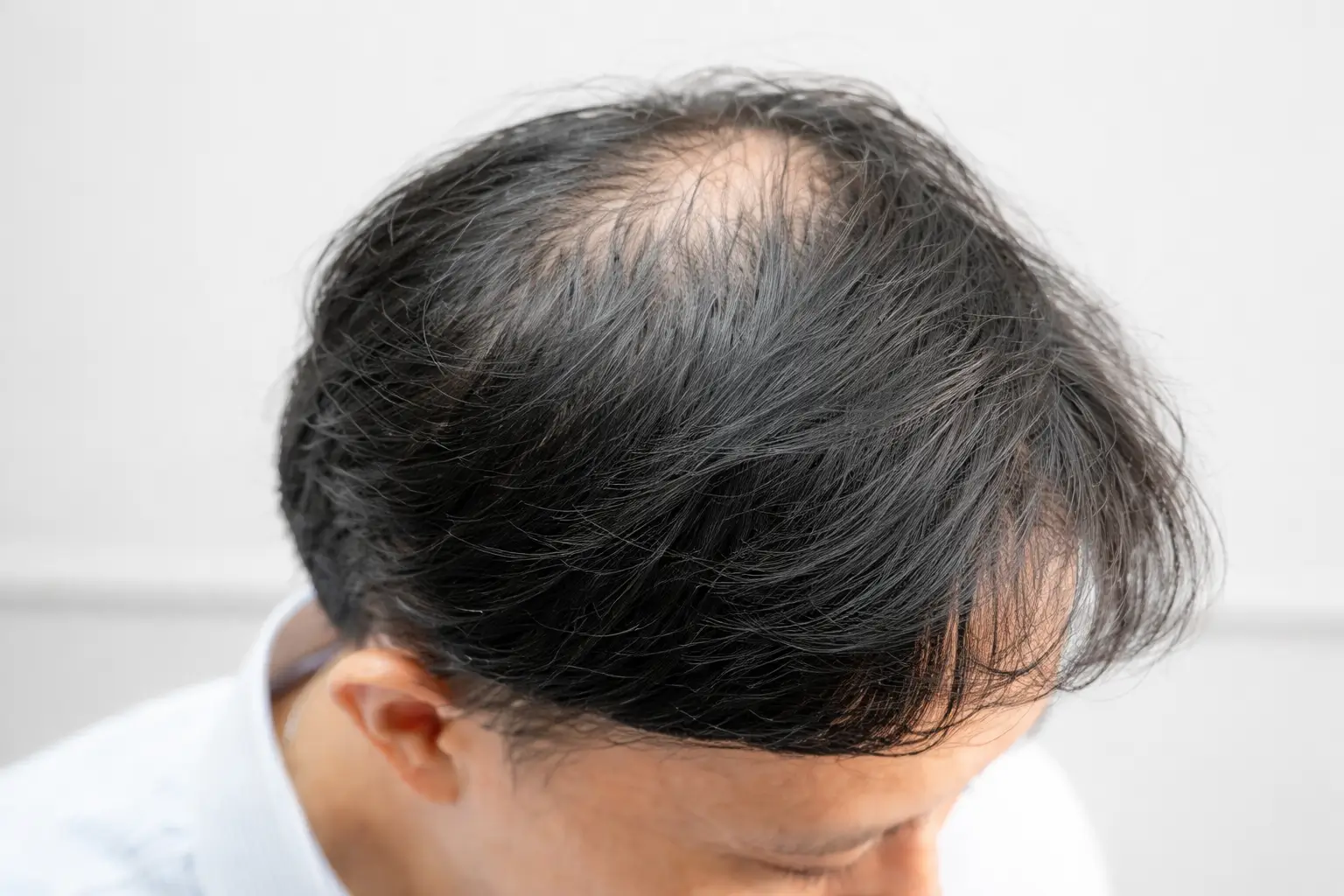
Table of Contents
Hair loss in the 20s is often dismissed as stress or “just a phase,” yet for a meaningful number of young adults it represents the early onset of a progressive condition. Because hair is closely linked to identity and confidence, even mild thinning at this age can cause disproportionate concern. The key is not to panic, but to understand what is physiologically normal and what warrants attention.
This article explains how to differentiate routine shedding from early hair loss, the most common causes in young adults, and when professional evaluation becomes appropriate.
Is Hair Loss in Your 20s Normal?
Some degree of daily hair shedding is biologically normal at any age. A healthy scalp typically sheds between 50 and 100 strands per day as part of the natural hair cycle. These hairs are replaced by new growth from the same follicles.
What is not considered normal is a gradual reduction in hair density or visible thinning patterns that persist over time. Hair loss becomes clinically relevant when shedding exceeds regrowth, or when follicles begin producing thinner, weaker strands. In such cases, the issue is not shedding alone but follicular miniaturization or cycle disruption.
Age does not prevent this. Many forms of hair loss, particularly genetic types, can begin in the late teens or early twenties. When shedding becomes excessive or sudden, it may signal an underlying trigger. In such cases, it helps to understand what leads to sudden hair fall and what to do about it.
Understanding the Hair Growth Cycle
Hair follicles cycle through growth (anagen), transition (catagen), and rest/shedding (telogen) phases. At any given time, the majority of scalp hair is in the growth phase. Disruptions to this cycle are central to most hair loss conditions.
When a large number of follicles shift prematurely into the shedding phase, noticeable hair fall occurs. When follicles shrink over time due to hormonal or genetic factors, hair grows back finer until growth stops altogether. The distinction between these mechanisms determines whether hair loss is temporary or progressive.
Common Causes of Hair Loss in Your 20s
Genetic Predisposition
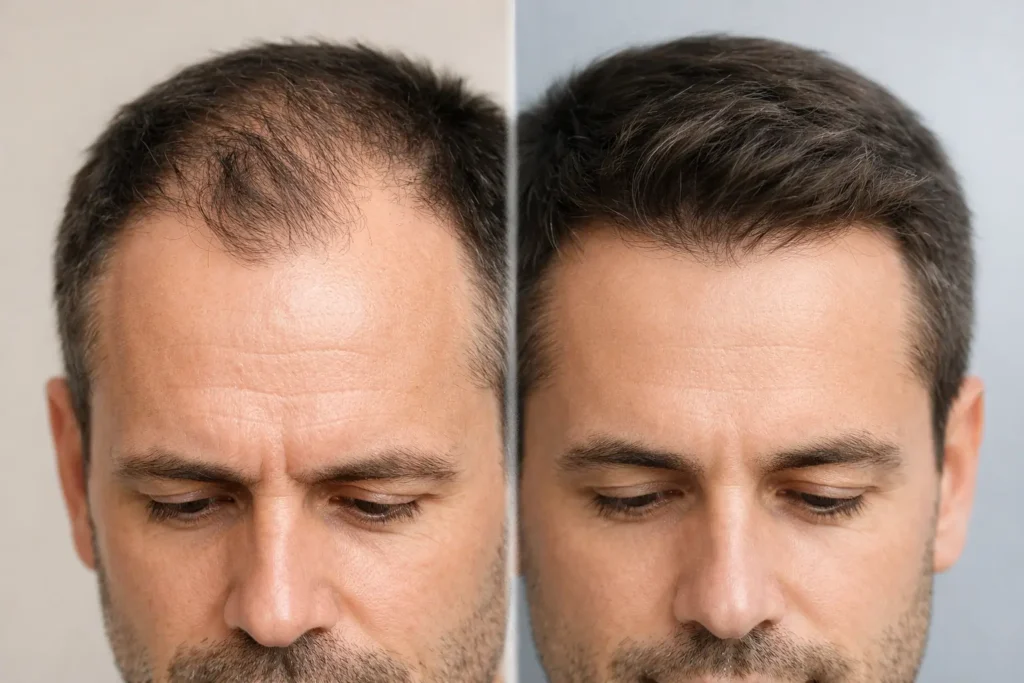
Androgenetic alopecia remains the most common cause of early hair thinning. It affects both men and women and is driven by genetic sensitivity to dihydrotestosterone (DHT). Early signs include temple recession, crown thinning, or gradual reduction in overall volume.
Once follicular miniaturization begins, the process is typically progressive without intervention. Androgenetic alopecia is one of the most common causes of early thinning and follows predictable patterns. You can read more about how different types of hair loss conditions develop and progress.
Telogen Effluvium
This is a temporary shedding condition triggered by physiological or emotional stress. Illness, rapid weight loss, surgery, burnout, or major life disruptions can push a large number of follicles into the shedding phase simultaneously.
Telogen effluvium often resolves once the underlying stressor is corrected, though recovery can take several months.
Nutritional Deficiencies
Iron deficiency, low protein intake, vitamin D insufficiency, and poor overall nutrition are well-documented contributors. Hair is metabolically nonessential, so the body diverts nutrients to vital organs first when resources are limited.
Young adults with restrictive diets or irregular eating patterns are at higher risk.
Hormonal Imbalances
Thyroid disorders, polycystic ovary syndrome (PCOS), and other endocrine irregularities frequently present with hair thinning. In such cases, hair loss is a secondary symptom of a systemic issue.
Mechanical and Lifestyle Factors
Chronic traction from tight hairstyles, frequent chemical treatments, heat damage, smoking, and poor sleep quality can weaken hair integrity and exacerbate shedding. While these rarely cause true pattern baldness, they can accelerate visible thinning.
When Hair Loss Becomes a Warning Sign
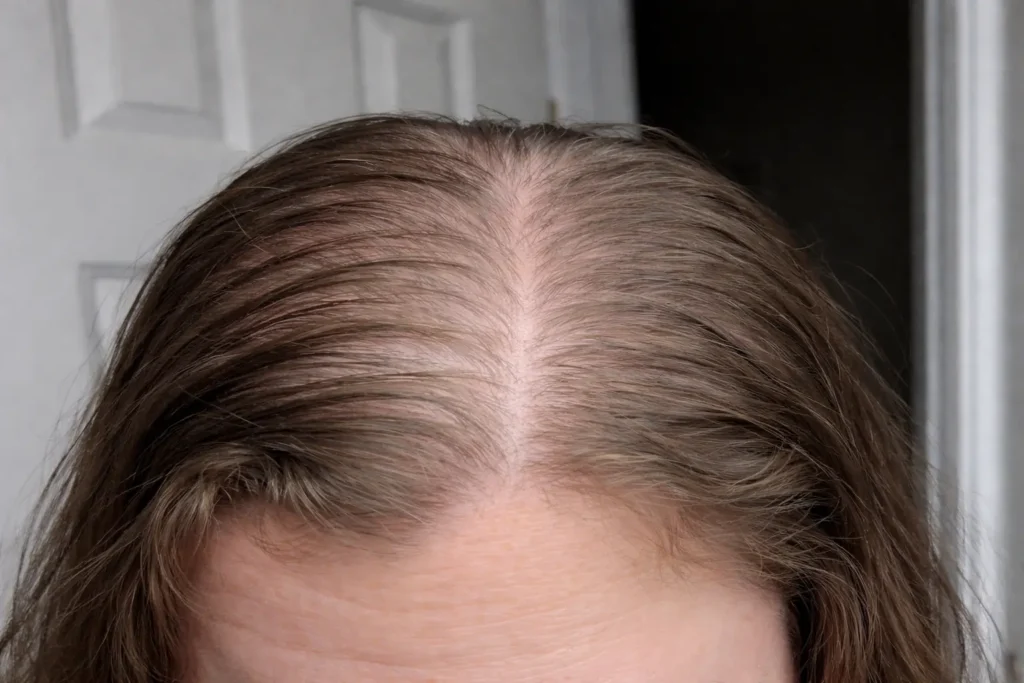
Persistent change is the most important indicator. Progressive hairline recession, widening of the part, reduced ponytail thickness, or visible scalp under normal lighting suggest more than routine shedding.
Sudden, heavy shedding lasting longer than three to four months also deserves attention. Patchy loss, scalp irritation, or inflammation should be evaluated promptly, as these may indicate dermatological conditions.
If hair density is clearly decreasing over time, observation alone is not a strategy. Sudden heavy shedding that continues for months should not be ignored. Episodes like this are often associated with sudden hair loss triggers that disrupt the growth cycle.
Practical First Steps
Before pursuing treatments, foundational factors should be addressed. A balanced diet with adequate protein and iron intake, consistent sleep, and stress regulation form the baseline of hair health. Gentle hair care and minimizing chemical or heat stress also matter.
Objective tracking helps. Monthly photos in consistent lighting provide a more reliable assessment than memory or daily observation.
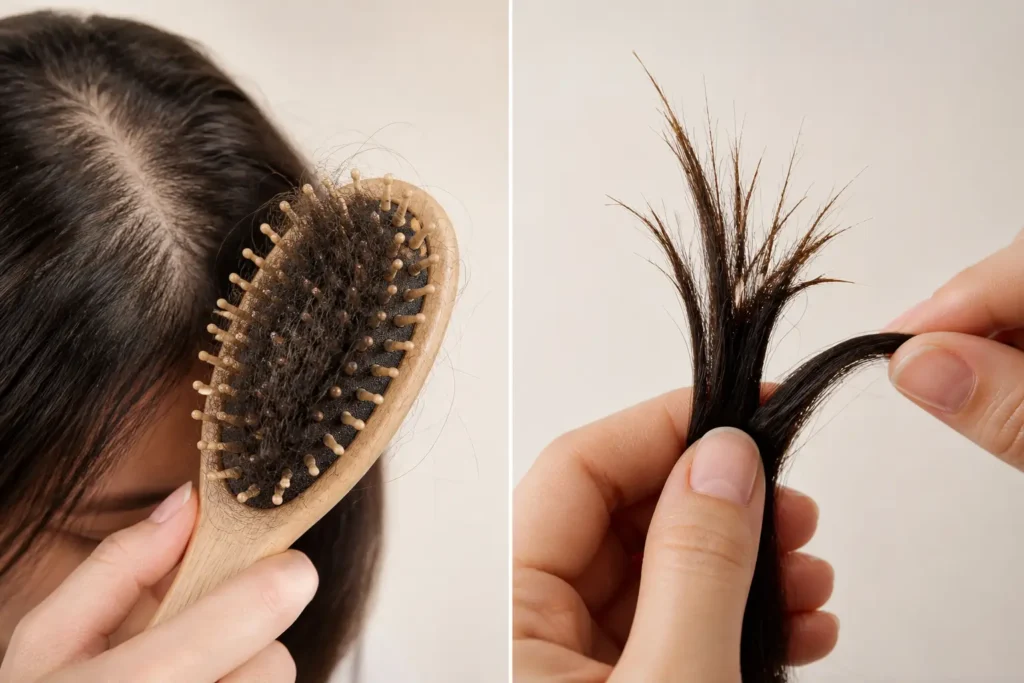
If thinning continues, consultation with a dermatologist is appropriate. Clinical evaluation may include scalp examination, blood work, and review of medical history to identify reversible causes. If you notice hair coming out in larger amounts during washing or brushing, it may be helpful to explore the medical and lifestyle reasons behind hair falling out in clumps.
Clarifying Common Misconceptions
Hair washing does not cause hair loss; it simply releases hairs already in the shedding phase.
Topical oils may improve scalp condition but do not reverse genetic hair loss.
Most cosmetic shampoos cannot regrow hair, though some support scalp health.
Hat use has no credible link to baldness.
Misinformation often delays appropriate action, which is critical in progressive conditions.
Final Perspective
Hair loss in your 20s is neither rare nor automatically severe. For some, it is temporary and reversible. For others, it marks the early stages of a long-term pattern. The outcome depends on cause, timing, and response.
Ignoring the issue or relying on unverified remedies reduces your options. Early evaluation, evidence-based care, and realistic expectations lead to better long-term results.