News & Updates
Hair Falling Out in Clumps: Normal Shedding or a Sign of Serious Hair Loss?
14 January 2026

Table of Content
- Is Hair Falling Out in Clumps Always a Problem?
- Normal Hair Shedding vs Hair Loss: The Clinical Difference
- How Much Hair Shedding Is Considered Normal?
- Sudden Hair Fall That “Came Out of Nowhere”: The Timeline Most People Miss
- The Most Common Cause of Hair Falling Out in Clumps
- Common Triggers That Lead to Excessive Hair Shedding
- When Hair Falling in Clumps Is NOT Normal
- Conditions That Can Mimic Hair Shedding
- What to Do First When Hair Is Falling Out in Clumps
- When to See a Doctor and What to Expect
- How Long Does Recovery Take?
- Common Questions & Answered
- Final Perspective: Respond, Don’t Panic
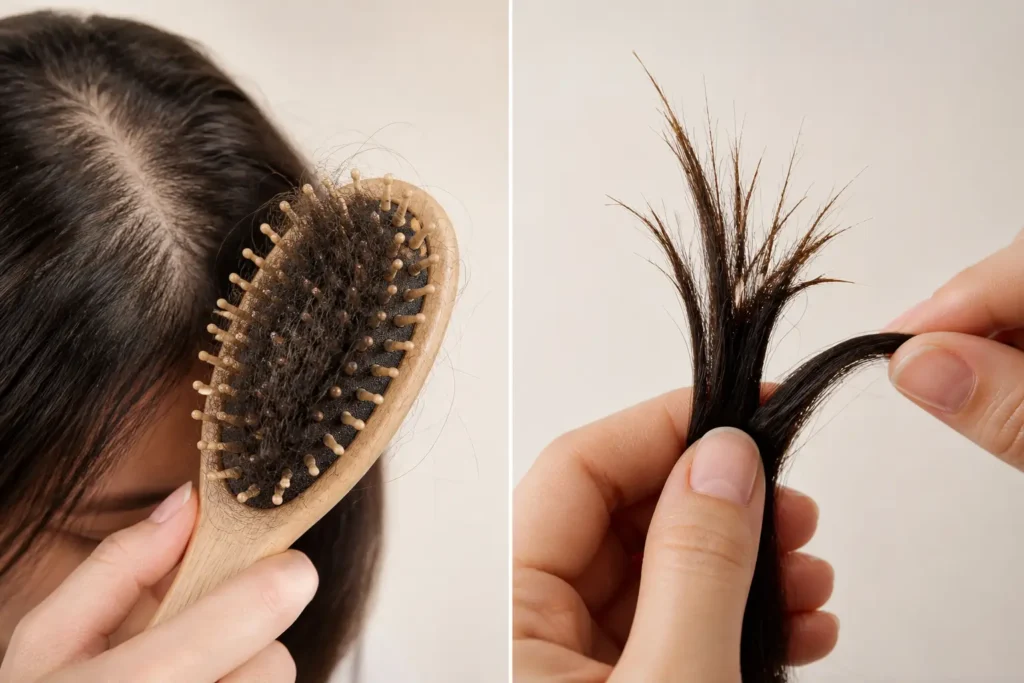
Seeing clumps of hair collecting in the shower drain, on your pillow, or in your hands while combing is not something most people ignore. It often triggers immediate concern because this kind of hair fall doesn’t feel normal, even if it may not always be serious.
Hair shedding can be part of the natural hair cycle, but sudden or excessive shedding usually signals that something has changed internally physically, hormonally, or emotionally. Understanding the difference between temporary shedding and true hair loss is critical to responding correctly.
Is Hair Falling Out in Clumps Always a Problem?
Not necessarily but it should never be dismissed without context. Hair appearing in clumps usually reflects an increase in shedding, not instant follicle damage. The severity depends on:
- How suddenly the shedding started
- How long it has been continuing
- Whether hair loss is diffuse or patchy
- Whether other symptoms are present
The goal is not to panic, but to identify why the shedding has increased.
Normal Hair Shedding vs Hair Loss: The Clinical Difference
Although commonly used interchangeably, shedding and hair loss are biologically different processes.
Normal Hair Shedding
- Part of the natural hair growth cycle
- Older hairs shed to make way for new growth
- Hair falls evenly across the scalp
- Follicles remain active and healthy
Hair Loss
- Hair follicles stop producing healthy hair
- Leads to visible thinning or bald patches
- Often progressive without treatment
- May follow a distinct pattern
Heavy shedding can look alarming, but shedding alone does not mean permanent hair loss.
How Much Hair Shedding Is Considered Normal?
There is no single “normal” number that applies to everyone. Hair length, thickness, and washing frequency all influence how much hair appears to fall. What matters more is change:
- A noticeable increase compared to your usual pattern
- Consistent shedding over several weeks
- Reduced hair volume or thinner ponytail
If shedding feels persistent or progressive, it deserves attention.
Sudden Hair Fall That “Came Out of Nowhere”: The Timeline Most People Miss
One of the most overlooked aspects of hair shedding is delay. In many cases, excessive hair fall begins 8–12 weeks after a triggering event. Because of this gap, people often believe the shedding started “suddenly,” without a cause. Common delayed triggers include:
- High fever or viral illness
- Significant emotional stress
- Surgery or hospitalization
- Rapid weight loss or restrictive dieting
- Hormonal changes
If your hair fall feels sudden, understanding the common causes of sudden hair fall and what to do first can help connect the dots and prevent unnecessary panic.
The Most Common Cause of Hair Falling Out in Clumps
Clinically, the most frequent explanation for sudden, diffuse hair shedding is Telogen Effluvium.
What Is Telogen Effluvium?
It occurs when a large number of hair follicles shift prematurely into the resting (telogen) phase, leading to noticeable shedding weeks later. Typical features include:
- Sudden onset of excessive shedding
- Hair loss spread evenly across the scalp
- No scarring or permanent follicle damage
Acute vs Chronic Telogen Effluvium
Acute: lasts less than six months and often resolves once the trigger is addressed
Chronic: persists longer and requires medical evaluation
In most cases, follicles remain capable of regrowth.
Common Triggers That Lead to Excessive Hair Shedding
Telogen Effluvium is usually triggered by identifiable stressors, such as:
- Physical or emotional stress
- Febrile illnesses or infections
- Crash dieting or insufficient protein intake
- Post-pregnancy hormonal shifts
- Starting, stopping, or changing medications
- Hormonal fluctuations, including contraceptive changes
Often, more than one factor contributes at the same time.
When Hair Falling in Clumps Is NOT Normal
Certain patterns indicate that hair fall may not be simple shedding.
Warning Signs That Need Attention
- Patchy hair loss rather than even shedding
- Sudden thinning at the crown or hairline
- Scalp pain, burning, or inflammation
- Hair loss accompanied by fatigue or unexplained weight changes
- Loss of eyebrow or eyelash hair
These signs suggest conditions that may require medical assessment.
Conditions That Can Mimic Hair Shedding
Some hair disorders initially resemble shedding but behave differently over time.
1. Alopecia Areata
- Sudden, well-defined bald patches
- Autoimmune in nature
- Early evaluation improves outcomes
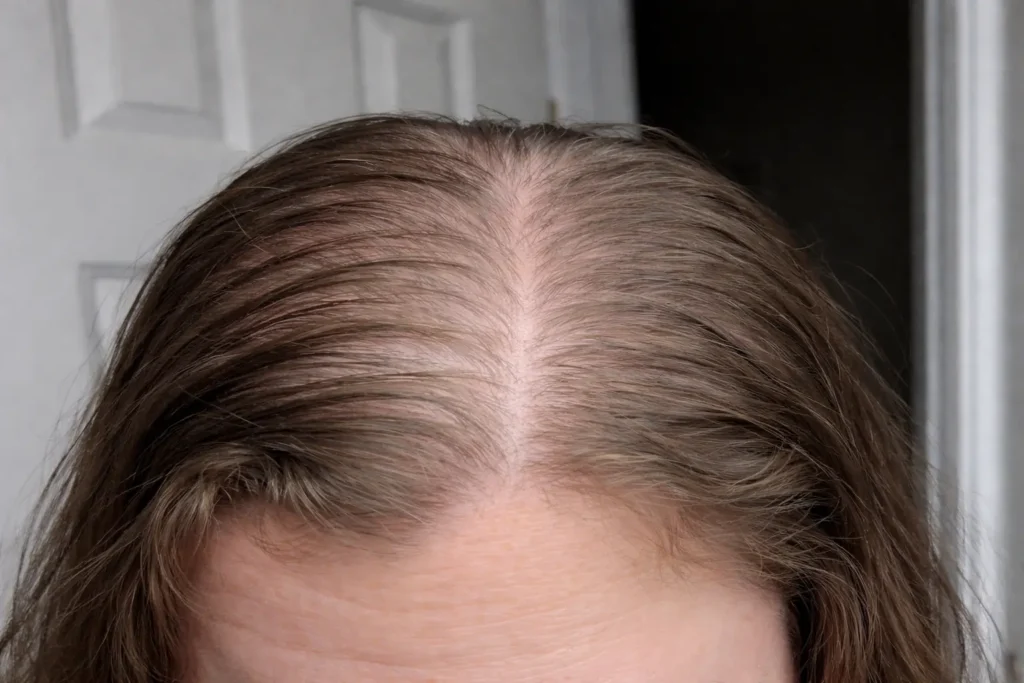
2. Female Pattern Hair Loss
- Gradual thinning rather than dramatic shedding
- Reduced hair density at the crown
- Progressive without treatment
3. Traction Alopecia
- Caused by chronic tension from hairstyles or extensions
- Often affects temples and hairline
- Early stages are reversible
Correct identification is essential for appropriate care.
What to Do First When Hair Is Falling Out in Clumps
Initial management should focus on stabilization, not aggressive intervention.
1. Avoid These Common Mistakes
- Frequently switching hair products
- Excessive oiling or harsh scalp scrubbing
- Reducing hair washing out of fear
- Self-prescribing supplements without evaluation
2. Evidence-Based First Steps
- Maintain a gentle, consistent hair care routine
- Wash hair as needed to keep the scalp healthy
- Ensure adequate protein and calorie intake
- Address sleep quality and stress levels
Overreacting often worsens shedding rather than improving it.
When to See a Doctor and What to Expect
Professional evaluation is recommended if:
- Shedding continues beyond 3–4 months
- Hair loss worsens or becomes patterned
- Red-flag symptoms are present
- Hair fall affects mental well-being
In such cases, seeking professional hair loss treatment options can help identify underlying causes early and prevent further progression.
What a Medical Assessment Usually Includes
- Review of recent health events and lifestyle changes
- Scalp and hair examination
- Targeted blood tests when clinically indicated
- This structured approach avoids unnecessary treatment and delays.
How Long Does Recovery Take?
Hair recovery follows biological timelines:
- Shedding may continue before slowing down
- Regrowth is gradual and subtle
- Reduced hair fall is often the first sign of improvement
Common Questions & Answered
1. Does changing shampoo cause hair fall?
Rarely. It may reveal existing shedding but is not usually the cause.
2. Can oiling stop hair fall?
Oils condition hair but do not treat shedding disorders.
3. Should I wash my hair less?
No. Poor scalp hygiene can worsen shedding.
4. Is this permanent?
Most shedding conditions are reversible when managed correctly.
Final Perspective: Respond, Don’t Panic
Hair falling out in clumps is alarming, but it is often a signal, not a diagnosis.
Temporary shedding is common. Ignoring warning signs is not.
A calm, informed response supported by timely evaluation when needed leads to better outcomes than panic-driven action.