News & Updates

Suddenly Hair Fall Started? Causes & What To Do First


Published:

14 January 2026

Published On
14th January, 2026

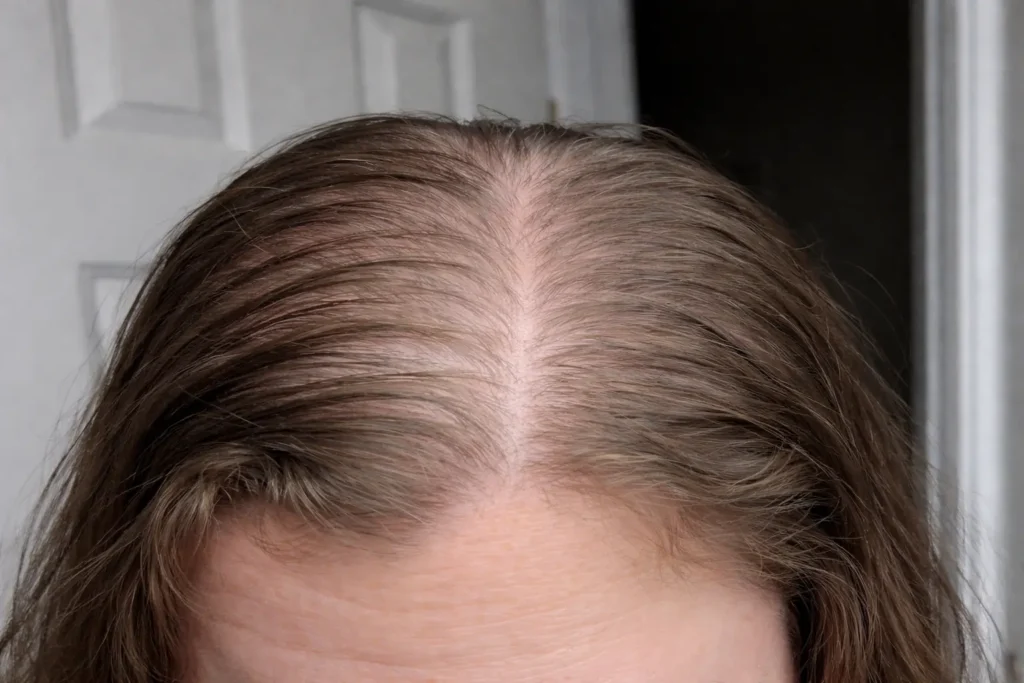
Noticing a sudden increase in hair fall can be unsettling, especially when it appears without warning. For many people, the immediate concern is whether this indicates permanent hair loss.
In most cases, sudden hair fall is a delayed response to physical, hormonal, or emotional changes the body experienced weeks earlier. While it should not be ignored, it does not automatically mean you are developing a long-term hair loss condition. Understanding the pattern, duration, and context of the hair fall is the most important first step.

Why Sudden Hair Fall Feels Concerning

Hair fall typically occurs gradually. When shedding increases noticeably over a short period, it creates uncertainty and a sense of loss of control.
What often causes confusion is timing. Hair follicles respond to internal changes first and shed later, meaning the trigger for sudden hair fall may have occurred one to three months before the shedding becomes visible. This delay makes it difficult to identify the cause without proper context.

Hair Shedding vs Hair Loss: Understanding the Difference

Daily hair shedding is part of the normal hair growth cycle. On average, losing 50 to 100 hairs per day is expected. Sudden hair fall becomes more concerning when:

  • The amount of shed hair increases significantly
  • Shedding continues consistently for several weeks
  • Hair density appears reduced overall

Hair shedding is usually diffuse and temporary.

Hair loss tends to involve progressive thinning, visible changes at the hairline or crown, or reduced regrowth over time.

Identifying which of these applies early helps avoid unnecessary treatments and anxiety

Common Reasons Hair Fall Can Start Suddenly

Sudden hair fall is rarely random. It is most often linked to a specific trigger that occurred weeks earlier.

Physical or Emotional Stress

Significant stress can push a large number of hair follicles into a resting phase, leading to noticeable shedding later.

Recent Illness or High Fever

Viral infections, prolonged fever, or recovery from illness commonly disrupt the hair growth cycle and cause temporary hair fall.

Sudden Dietary Changes or Weight Loss

Low protein intake, crash dieting, or rapid weight loss can affect hair growth by signalling the body to conserve energy.

Hormonal Changes

Hormonal shifts, including thyroid imbalances or stopping certain hormonal medications, may contribute to sudden shedding.

Medication Changes

Starting or discontinuing specific medications can also trigger temporary hair fall in some individuals.

Indicators That Hair Fall Is Likely Temporary

Sudden hair fall is often temporary when:

  • Hair sheds evenly across the scalp
  • No distinct thinning pattern is visible
  • The hairline and crown remain largely unchanged
  • The shedding began abruptly rather than gradually

In these situations, hair regrowth usually occurs once the underlying trigger is addressed.

Signs That Require Closer Attention

Hair fall may need further evaluation if you notice:

  1. Hair falling out in noticeable clumps
  2. Visible thinning at the crown or hairline
  3. A widening hair part or reduced overall density
  4. Shedding that continues beyond three to four months

In such cases, it is important to understand whether an underlying hair loss condition may be present. You can learn more about the causes, symptoms, and available hair loss treatment options.

What to Do When Hair Fall Starts Suddenly

When sudden hair fall begins, restraint is often more effective than aggressive intervention.

Avoid

  • Frequently switching shampoos or treatments
  • Excessive oiling or harsh scalp massage
  • Starting multiple products at the same time

These actions can worsen shedding rather than improve it.

Focus On

  • Maintaining a consistent hair care routine
  • Monitoring shedding patterns over the next few weeks
  • Supporting overall health with adequate nutrition and rest
  • Managing physical and emotional stress where possible

Stability allows the hair growth cycle to recover naturally.

When Sudden Hair Fall May Progress to Hair Loss

If increased shedding persists or is accompanied by visible thinning, it may overlap with a medical hair loss condition. This progression is usually gradual and becomes noticeable through changes in hair density rather than sudden shedding alone.
Early recognition allows for timely guidance and better long-term outcomes.

Can Hair Grow Back After Sudden Hair Fall?

In most cases, hair affected by temporary shedding does regrow. However, regrowth is slow and may take several months to become noticeable.
The outcome depends on whether the underlying trigger has been resolved and whether a chronic hair loss condition is present.

Common Mistakes to Avoid

  • Assuming all hair fall is permanent
  • Ignoring persistent changes in hair density
  • Expecting immediate results from any treatment
  • Addressing symptoms without identifying the cause

Effective hair care decisions rely on observation and consistency, not urgency.

Frequently Asked Questions About Hair Loss

1. Is sudden hair fall a sign of permanent hair loss?

Not always. Sudden hair fall is commonly linked to temporary triggers such as stress, illness, or dietary changes. Persistent shedding or visible thinning should be evaluated further.

2. How long does sudden hair fall usually last?

Temporary hair shedding often resolves within a few months. Regrowth may take additional time, as hair growth occurs slowly.

3. Can stress alone cause severe hair fall?

Yes. Physical or emotional stress can disrupt the hair growth cycle and lead to noticeable shedding weeks later. This type of hair fall is often reversible.

4. Should I start treatment as soon as hair fall begins?

Not necessarily. Immediate treatment without understanding the cause may be unnecessary. Monitoring patterns and duration is important before taking further steps.

5. When should professional advice be considered?

If hair fall is severe, persistent, or accompanied by visible thinning at the crown or hairline, seeking professional guidance is advisable.

Final Takeaway

Sudden hair fall can be distressing, but it does not always indicate permanent hair loss. Assessing patterns, identifying potential triggers, and responding calmly are more effective than reacting impulsively.
Informed observation and timely action play a far greater role than urgency.
Noticing a sudden increase in hair fall can be unsettling, especially when it appears without warning. For many people, the immediate concern is whether this indicates permanent hair loss.
In most cases, sudden hair fall is a delayed response to physical, hormonal, or emotional changes the body experienced weeks earlier. While it should not be ignored, it does not automatically mean you are developing a long-term hair loss condition. Understanding the pattern, duration, and context of the hair fall is the most important first step.

Why Sudden Hair Fall Feels Concerning

Hair fall typically occurs gradually. When shedding increases noticeably over a short period, it creates uncertainty and a sense of loss of control.
What often causes confusion is timing. Hair follicles respond to internal changes first and shed later, meaning the trigger for sudden hair fall may have occurred one to three months before the shedding becomes visible. This delay makes it difficult to identify the cause without proper context.

Hair Shedding vs Hair Loss: Understanding the Difference

Daily hair shedding is part of the normal hair growth cycle. On average, losing 50 to 100 hairs per day is expected. Sudden hair fall becomes more concerning when:

  • The amount of shed hair increases significantly
  • Shedding continues consistently for several weeks
  • Hair density appears reduced overall

Hair shedding is usually diffuse and temporary.

Hair loss tends to involve progressive thinning, visible changes at the hairline or crown, or reduced regrowth over time.

Identifying which of these applies early helps avoid unnecessary treatments and anxiety

Common Reasons Hair Fall Can Start Suddenly

Sudden hair fall is rarely random. It is most often linked to a specific trigger that occurred weeks earlier.

Physical or Emotional Stress

Significant stress can push a large number of hair follicles into a resting phase, leading to noticeable shedding later.

Recent Illness or High Fever

Viral infections, prolonged fever, or recovery from illness commonly disrupt the hair growth cycle and cause temporary hair fall.

Sudden Dietary Changes or Weight Loss

Low protein intake, crash dieting, or rapid weight loss can affect hair growth by signalling the body to conserve energy.

Hormonal Changes

Hormonal shifts, including thyroid imbalances or stopping certain hormonal medications, may contribute to sudden shedding.

Medication Changes

Starting or discontinuing specific medications can also trigger temporary hair fall in some individuals.

Indicators That Hair Fall Is Likely Temporary

Sudden hair fall is often temporary when:

  • Hair sheds evenly across the scalp
  • No distinct thinning pattern is visible
  • The hairline and crown remain largely unchanged
  • The shedding began abruptly rather than gradually

In these situations, hair regrowth usually occurs once the underlying trigger is addressed.

Signs That Require Closer Attention

Hair fall may need further evaluation if you notice:

  1. Hair falling out in noticeable clumps
  2. Visible thinning at the crown or hairline
  3. A widening hair part or reduced overall density
  4. Shedding that continues beyond three to four months

In such cases, it is important to understand whether an underlying hair loss condition may be present. You can learn more about the causes, symptoms, and available hair loss treatment options.

What to Do When Hair Fall Starts Suddenly

When sudden hair fall begins, restraint is often more effective than aggressive intervention.

Avoid

  • Frequently switching shampoos or treatments
  • Excessive oiling or harsh scalp massage
  • Starting multiple products at the same time

These actions can worsen shedding rather than improve it.

Focus On

  • Maintaining a consistent hair care routine
  • Monitoring shedding patterns over the next few weeks
  • Supporting overall health with adequate nutrition and rest
  • Managing physical and emotional stress where possible

Stability allows the hair growth cycle to recover naturally.

When Sudden Hair Fall May Progress to Hair Loss

If increased shedding persists or is accompanied by visible thinning, it may overlap with a medical hair loss condition. This progression is usually gradual and becomes noticeable through changes in hair density rather than sudden shedding alone.
Early recognition allows for timely guidance and better long-term outcomes.

Can Hair Grow Back After Sudden Hair Fall?

In most cases, hair affected by temporary shedding does regrow. However, regrowth is slow and may take several months to become noticeable.
The outcome depends on whether the underlying trigger has been resolved and whether a chronic hair loss condition is present.

Common Mistakes to Avoid

  • Assuming all hair fall is permanent
  • Ignoring persistent changes in hair density
  • Expecting immediate results from any treatment
  • Addressing symptoms without identifying the cause

Effective hair care decisions rely on observation and consistency, not urgency.

Frequently Asked Questions About Hair Loss

1. Is sudden hair fall a sign of permanent hair loss?

Not always. Sudden hair fall is commonly linked to temporary triggers such as stress, illness, or dietary changes. Persistent shedding or visible thinning should be evaluated further.

2. How long does sudden hair fall usually last?

Temporary hair shedding often resolves within a few months. Regrowth may take additional time, as hair growth occurs slowly.

3. Can stress alone cause severe hair fall?

Yes. Physical or emotional stress can disrupt the hair growth cycle and lead to noticeable shedding weeks later. This type of hair fall is often reversible.

4. Should I start treatment as soon as hair fall begins?

Not necessarily. Immediate treatment without understanding the cause may be unnecessary. Monitoring patterns and duration is important before taking further steps.

5. When should professional advice be considered?

If hair fall is severe, persistent, or accompanied by visible thinning at the crown or hairline, seeking professional guidance is advisable.

Final Takeaway

Sudden hair fall can be distressing, but it does not always indicate permanent hair loss. Assessing patterns, identifying potential triggers, and responding calmly are more effective than reacting impulsively.
Informed observation and timely action play a far greater role than urgency.
Related Blogs
Dandruff vs Dry Scalp

Dandruff vs Dry Scalp Explained: Symptoms, Causes, and What Actually Works

By Sai Polisetty 18th May, 2026

Dandruff and dry scalp may look similar, but they have different causes and treatments. Learn how to identify the signs, understand the root cause, and choose the right solution for long term scalp health and better hair care results daily.

Hair Loss vs Hair Breakage

Hair Loss vs Hair Breakage: Key Differences, Causes, & How to Identify Them

By Sai Polisetty 3rd May, 2026

Understand the difference between hair loss and hair breakage, including their causes, symptoms, and key signs. Learn how to identify each condition accurately to choose the right treatment and maintain healthy, stronger hair over time.

Receding Hairline vs Maturing Hairline

Receding Hairline vs Maturing Hairline: How to Tell the Difference (Complete Guide)

By Sai Polisetty 20th March, 2026

Not sure if your hairline is maturing or receding? Learn the key signs, how to compare patterns over time, what thinning at the temples means, and when natural change becomes hair loss so you can take the right next step with confidence today now ok.

Hair Loss in Your 30s

Hair Loss in Your 30s: What Changes and What You Can Do

By Sai Polisetty 4th March, 2026

Hair loss in your 30s is more common than many people realize. This guide explains the causes of hair thinning after 30, early warning signs to watch for, and practical ways to protect hair health, slow hair loss, and support stronger, healthier hair growth.

Widening Part Hair Loss

Widening Part Hair Loss: When Hair Part Widening Signals Thinning

By Sai Polisetty 4th February, 2026

Noticing your hair part getting wider? This can be an early sign of hair loss. Learn the common causes, how to recognize early signs, and practical steps to protect, strengthen, and maintain healthy hair, helping prevent further thinning and damage over time.