

Perimenopause and menopause can affect people in very different ways. Some experience only mild changes, while others develop symptoms that affect sleep, concentration, work, relationships and everyday wellbeing.
Hormonal changes can lead to physical symptoms such as hot flushes, night sweats and vaginal dryness, as well as emotional changes including anxiety, low mood and difficulty concentrating.
HRT can be an effective treatment for many menopause symptoms and may also help protect bone health by replacing some of the oestrogen that naturally falls during menopause.
Common symptoms of perimenopause and menopause include:


Menopause does not happen suddenly for everyone. Symptoms can begin months or years before periods stop completely.
Hot flushes can cause a sudden feeling of heat across the face, neck and chest.
Hot flushes during sleep can result in heavy sweating and disturbed sleep. Poor sleep can then contribute to tiredness, irritability and difficulty concentrating during the day.
Menopause symptoms develop mainly because hormone levels change as the ovaries gradually produce less oestrogen and progesterone.
These hormones play important roles throughout the body, so falling levels can affect temperature regulation, sleep, mood, bones, vaginal tissues and many other areas.
Lifestyle changes can complement HRT and may help improve some menopause symptoms.
Regular exercise can help support. Weight-bearing and resistance exercises are particularly helpful for maintaining bone strength as oestrogen levels fall.
If you experience hot flushes or night sweats:Wear lightweight clothing, Keep your bedroom cool, Use a fan if needed, Choose breathable bedding, Have cool drinks available.
Maintaining a healthy weight may help improve general health and reduce the risk of conditions such as cardiovascular disease and type 2 diabetes.
Alcohol can trigger or worsen hot flushes and may interfere with sleep.
Caffeine may worsen hot flushes, palpitations or sleep difficulties in some people. Consider reducing coffee, tea and other caffeinated drinks
Smoking can worsen some menopause symptoms and increases the risk of several long-term health problems. Stopping smoking benefits cardiovascular, bone and overall health.
Try to maintain a regular sleep routine. Keeping your bedroom cool and reducing caffeine and alcohol later in the day may also help.
Speak to a healthcare professional if menopause symptoms are affecting your quality of life or if you are considering starting HRT.
You should also seek advice if:
Some irregular bleeding can occur during the first few months after starting or changing systemic HRT. However, seek medical advice promptly if:
Bleeding continues more than 6 months after starting HRT Bleeding continues more than 3 months after changing your HRT dose or preparation
Oral HRT tablets can slightly increase the risk of developing a blood clot. HRT absorbed through the skin, such as patches, gels or sprays, does not carry the same increased risk of blood clots and may be preferred for some people with increased risk.
There is no specific menopause diet and no particular food needs to be avoided simply because you are using HRT.
However, certain foods and drinks may trigger or worsen symptoms in some people.
There is no food proven to replace HRT or cure menopause symptoms.
However, eating a healthy, balanced diet supports bone, heart and general health during menopause.
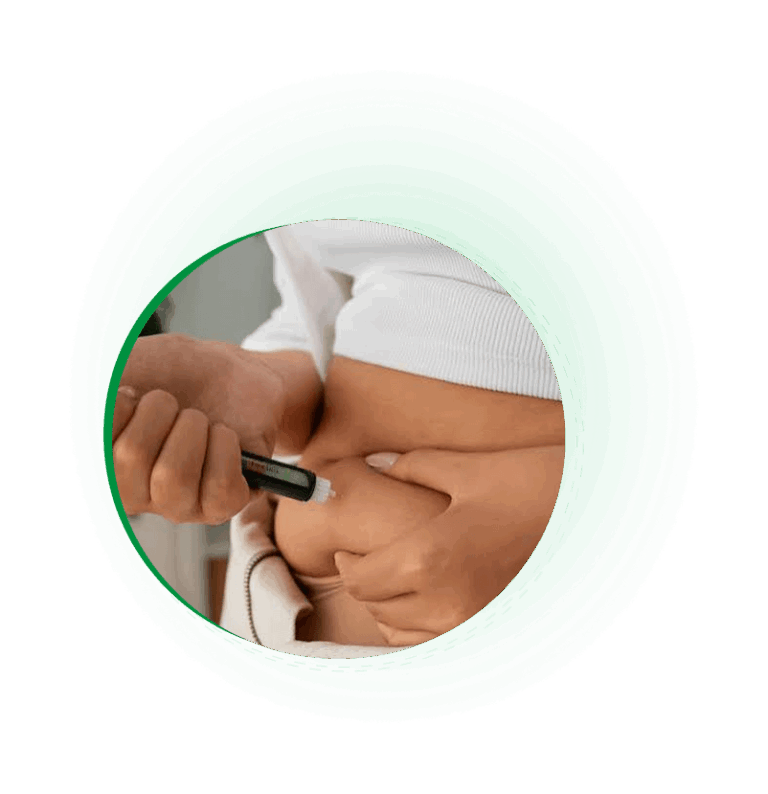
Hormone replacement therapy is a treatment used to relieve symptoms associated with perimenopause and menopause. It replaces hormones, particularly oestrogen, that fall as you approach and go through menopause.
HRT can help relieve many menopause symptoms, including: Hot flushes, Night sweats, Sleep problems related to menopause, Mood changes, Anxiety and low mood associated with menopause, Vaginal dryness. It can also help protect against loss of bone density.
Some people begin to notice improvement within a few days or weeks.
It may take up to around 3 months to experience the full benefit or to determine whether your dose or type of HRT needs adjusting.
Yes. Pharmaceutra provides access to selected HRT treatments following an online medical consultation. A UK-registered prescriber will review your medical history, symptoms and other relevant information before determining whether treatment is appropriate.
HRT can contain:
It is available as tablets, patches, gels, sprays and vaginal treatments.
The right treatment depends on factors including whether you still have your womb, your stage of menopause, your symptoms and your medical history.
If you still have your womb and use systemic oestrogen HRT, you will usually need a progestogen as well. Progestogen protects the lining of the womb from excessive stimulation by oestrogen. People who have had a total hysterectomy can usually take oestrogen-only HRT.
Sequential HRT is generally used during perimenopause when periods may still occur. Oestrogen is used continuously, while progestogen is used for part of the treatment cycle. ontinuous combined HRT provides both oestrogen and progestogen every day and is usually used after menopause when periods have stopped.
Vaginal oestrogen is a low-dose treatment applied directly inside the vagina. It can help treat symptoms such as: Vaginal dryness, Burning, Irritation, Pain during sex. Only a small amount is absorbed into the bloodstream compared with systemic HRT.
No. Vaginal oestrogen acts mainly locally and is used for vaginal and some urinary symptoms. It does not usually treat symptoms elsewhere in the body, such as hot flushes, night sweats or mood changes.
There is little evidence that most types of HRT directly cause weight gain.
Weight changes are common during menopause and as people age, regardless of whether they take HRT.
A balanced diet and regular exercise can help support healthy weight management.
Combined HRT is associated with a small increase in the risk of breast cancer, and this risk increases with longer duration of treatment. Oestrogen-only HRT has little or no increase in breast cancer risk. Your individual risk depends on several factors and should be discussed with your prescriber.
Oral HRT tablets can slightly increase the risk of blood clots. HRT absorbed through the skin, including patches, gels and sprays, does not increase the risk in the same way and may be preferred for people with certain risk factors.
Yes. HRT can be used during perimenopause. Sequential combined HRT is often used when you still have periods, while continuous combined HRT is generally used once you are postmenopausal. Your prescriber will determine which treatment schedule is suitable for you.
No. HRT does not provide contraception. It may still be possible to become pregnant during perimenopause. You may need contraception for a period of time after your last natural menstrual period. Discuss suitable contraception with your healthcare professional.
There is no fixed maximum length of time that applies to everyone. How long you take HRT depends on your symptoms, age, health and individual balance of benefits and risks. Your treatment should be reviewed regularly.
HRT is usually reviewed around 3 months after starting treatment or changing the type or dose. If your treatment is working well, it is generally reviewed at least once a year.
Do not increase or change your dose without advice. If symptoms have not improved after an appropriate treatment period, speak to a healthcare professional. They may recommend: Adjusting your dose, Changing the type of HRT, Changing how HRT is taken, Reviewing whether another condition is contributing to your symptoms.
Menopause symptoms may return after HRT is stopped. You can discuss whether to stop gradually or directly with your healthcare professional. If symptoms return and remain troublesome, your treatment options can be reviewed.
You can stop HRT, but symptoms may return. In some cases, gradually reducing the dose over several months may make the transition easier. Discuss stopping treatment with your healthcare professional so that you can decide on an appropriate approach.
No. HRT may not be suitable or may require specialist assessment if you have certain medical conditions, such as: A history of certain hormone-sensitive cancers, Previous blood clots, Untreated high blood pressure, Liver disease, Certain cardiovascular conditions. Your prescriber will assess your individual medical history before treatment.
Systemic HRT is not routinely recommended for people with a history of breast cancer. Management of menopause symptoms after breast cancer should be discussed with a clinician experienced in menopause and breast cancer care. For local vaginal symptoms, treatment options may be different and should also be discussed with an appropriate healthcare professional.
Some irregular bleeding or spotting can occur during the first few months after starting or changing systemic HRT. However, bleeding that is heavy, persistent or begins after you have been period-free for a long time should be assessed by a healthcare professional.
Safe. Secure. Trusted

From consultation to delivery, Pharmaceutra makes accessing prescription treatments seamless.

Complete our quick, confidential online health questionnaire. Our prescribers review your answers, usually within the hour.
A UK-registered prescriber reviews your submission and, if suitable, approves and issues your personalised prescription.

Your medication is dispensed by our pharmacists and shipped in discreet packaging with free tracked next-day delivery.