News & Updates
Salbutamol Inhaler Dosage Guide: Uses, Benefits, How It Works & Safe Use
17 March 2026
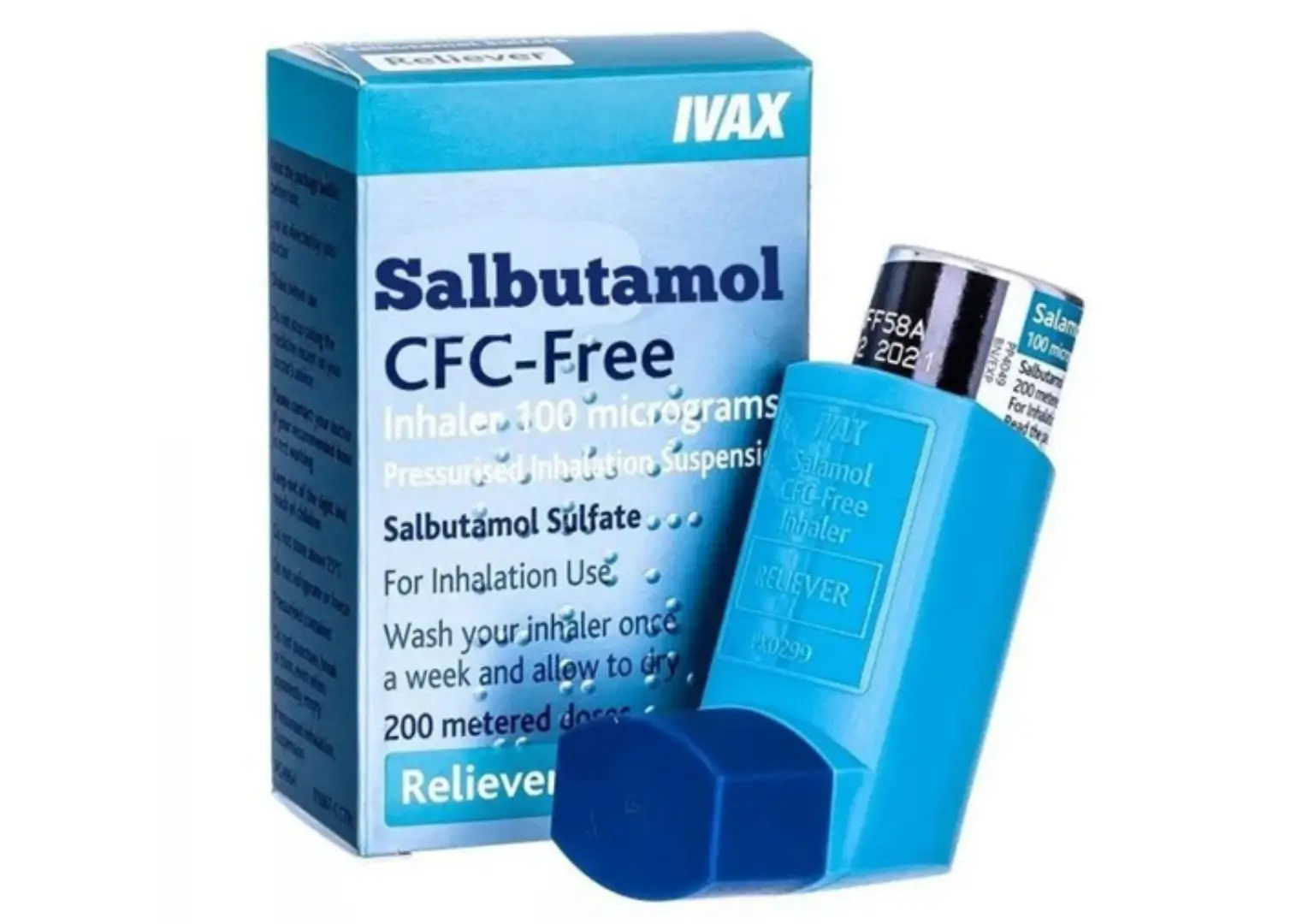
Breathing problems can feel frightening, especially during an asthma attack or sudden shortness of breath. A salbutamol inhaler is one of the most commonly prescribed emergency medications for quick relief. If you or someone in your family uses one, understanding the correct dosage, proper technique, and safety tips can make a real difference.
This guide explains everything in simple, practical language so you can use your inhaler confidently and effectively.
What Is a Salbutamol Inhaler?
A salbutamol inhaler is a fast-acting bronchodilator used to relieve sudden breathing difficulties. It contains salbutamol (also called albuterol in some countries), which relaxes the muscles around the airways.
It is typically prescribed for:
- Asthma
- Chronic Obstructive Pulmonary Disease (COPD)
- Exercise-induced bronchospasm
- Sudden wheezing or shortness of breath
Because it works quickly, it is known as a rescue or reliever inhaler.
How Salbutamol Works in the Body
During an asthma attack, airway muscles tighten, the lining swells, and mucus production may increase. This combination makes breathing difficult.
Salbutamol targets these problems by stimulating beta-2 receptors in the lungs, causing the airway muscles to relax.
Result:
- Airways widen (bronchodilation)
- Airflow improves
- Wheezing and chest tightness reduce
- Breathing becomes easier
- Most people feel relief within 3 to 5 minutes.
Main Uses of a Salbutamol Inhaler
Salbutamol inhalers are used for quick symptom relief rather than long-term control. Doctors prescribe them for:
- Immediate relief during asthma attacks
- Sudden breathlessness or wheezing
- COPD flare-ups
- Prevention of exercise-triggered symptoms
- Exposure to triggers such as cold air, dust, or allergens
Many patients are advised to carry their inhaler at all times.
Salbutamol Inhaler Dosage Guide
Dosage depends on age, severity of symptoms, and medical advice. Always follow your prescription, but the table below shows typical guidelines.
Standard Recommended Dosage
| Patient | Typical Dose | When to Use |
|---|---|---|
| Adults | 1-2 puffs | Every 4-6 hours as needed |
| Children (4+ years) | 1 puff (may increase to 2) | As directed by doctor |
| Before exercise | 2 puffs | 10-15 minutes prior |
During an Asthma Attack
- Take 1-2 puffs immediately
- If symptoms persist, repeat as instructed
- Seek urgent medical help if relief is minimal
Maximum Safe Use
Frequent need for salbutamol may indicate poorly controlled asthma.
Contact a doctor if you:
- Need it more than every 4 hours
- Use it daily or multiple times per day
- Wake at night due to symptoms
- Notice reduced effectiveness
How to Use a Salbutamol Inhaler Correctly
Correct technique ensures the medicine reaches your lungs, not just your mouth.
Step-by-Step Instructions
- Remove the cap and shake the inhaler well
- Breathe out fully
- Place mouthpiece between lips and seal tightly
- Begin inhaling slowly
- Press the canister once
- Continue inhaling deeply
- Hold breath for about 10 seconds
- Exhale slowly
If a second puff is needed, wait 30-60 seconds before repeating.
Using a Spacer Device: A spacer can improve drug delivery and is especially useful for children or older adults.
Benefits of a spacer:
- More medication reaches the lungs
- Less medicine stays in the mouth
- Reduced side effects
- Easier coordination
Benefits of Salbutamol Inhalers
Salbutamol remains one of the most widely used asthma medications worldwide because of its rapid action and reliability. Key benefits:
- Fast relief within minutes
- Portable and convenient
- Effective during emergencies
- Helps prevent exercise-related symptoms
- Improves breathing and comfort quickly
Possible Side Effects
Most side effects are mild and temporary.
Common Side Effects
- Trembling or shaking hands
- Headache
- Rapid heartbeat
- Nervousness
- Muscle cramps
These usually settle as the medication wears off.
Rare but Serious Side Effects
Seek medical help immediately if you experience:
- Chest pain
- Irregular heartbeat
- Severe dizziness
- Allergic reactions (rash, swelling, difficulty breathing)
Salbutamol vs Preventer Inhalers
Not all inhalers serve the same purpose.
| Type | Purpose | Usage |
|---|---|---|
| Reliever (Salbutamol) | Quick symptom relief | As needed |
| Preventer (Steroid inhaler) | Reduces airway inflammation | Daily use |
| Combination inhaler | Long-term control + symptom relief | Regular use |
Relievers treat symptoms but do not control underlying inflammation.
Frequently Asked Questions
1. How many puffs can I take at once?
Usually 1-2 puffs. Follow your doctor’s instructions. During severe attacks, emergency guidance may differ.
2. Can I use it every day?
Yes, but frequent daily use suggests poor asthma control and should be reviewed medically.
3. Is salbutamol addictive?
No. It does not cause physical dependence.
4. Can I use it before exercise?
Yes. Taking 2 puffs 10-15 minutes before activity can prevent symptoms.
5. What if it stops working?
Seek medical attention immediately, especially during severe breathing difficulty.
Final Takeaway
A salbutamol inhaler is a fast, effective rescue medication that can quickly relieve breathing difficulties when used correctly. However, frequent reliance on it may signal uncontrolled asthma and requires medical review.
Understanding proper dosage, technique, and safety precautions ensures you get maximum benefit while minimizing risks.