News & Updates
Understanding Propranolol: Uses, Benefits, and Possible Side Effects
26 May 2026
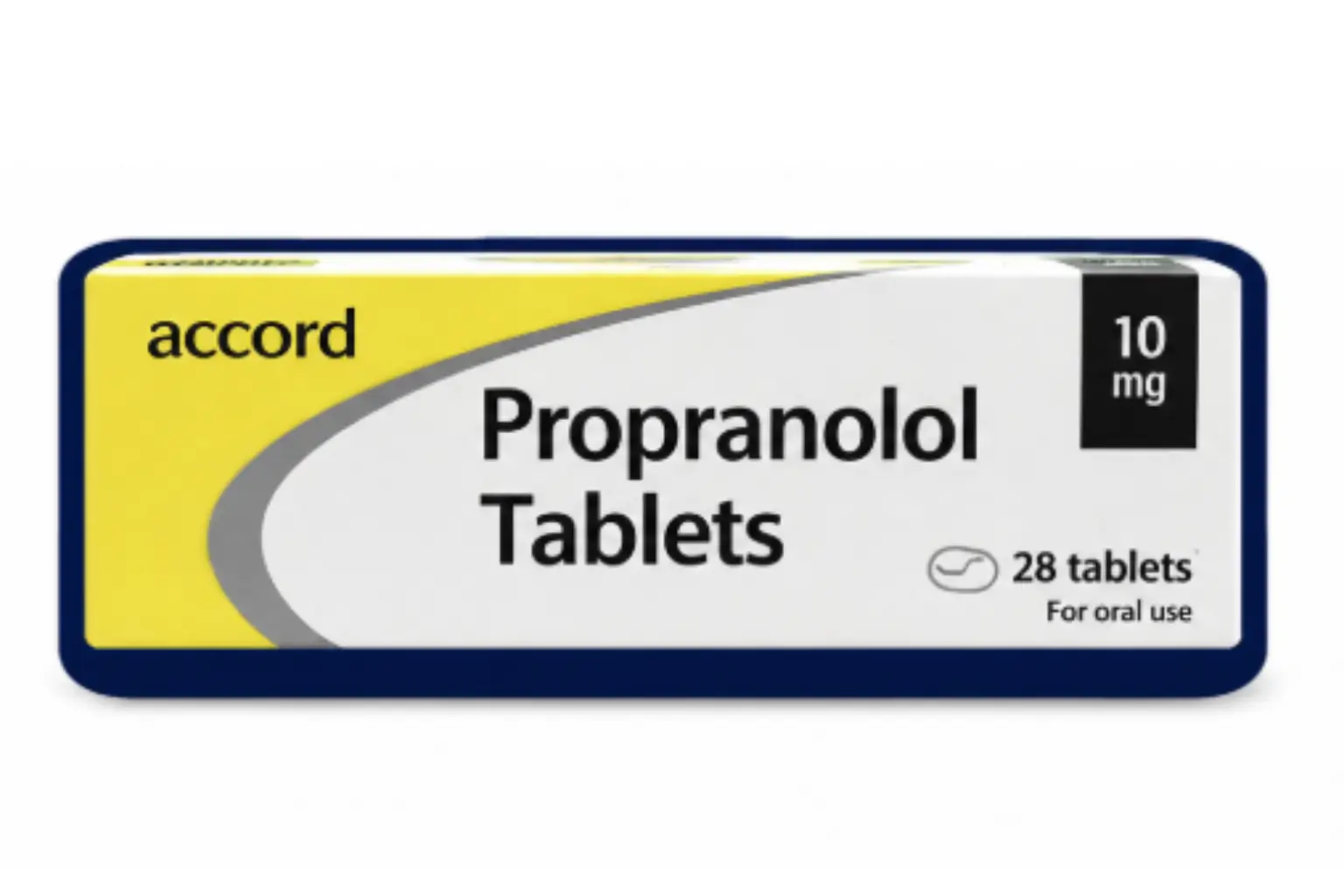
Table of Content
Propranolol is a widely prescribed beta blocker medication used to manage a range of cardiovascular and neurological conditions. It is commonly recommended for high blood pressure, irregular heartbeat, migraine prevention, tremors, and anxiety related symptoms. By reducing the effects of stress hormones such as adrenaline, Propranolol helps regulate heart function and control physical symptoms linked to stress and nervous system activity.
Although the medication has been used in clinical practice for decades, many patients still have questions regarding its purpose, benefits, dosage, safety considerations, and potential side effects. Understanding how Propranolol works and when it should be used is essential for safe and effective treatment.
This guide provides a detailed overview of Propranolol, including its medical uses, advantages, precautions, possible risks, and important safety information patients should know before starting treatment.
What Is Propranolol?
Propranolol is a prescription medication classified as a beta adrenergic blocker, commonly known as a beta blocker. It works by affecting the body’s response to certain nerve impulses, particularly those involving the heart and blood vessels.
The medication is available in several forms, including tablets, extended release capsules, and oral solutions. Depending on the condition being treated, Propranolol may be prescribed for short term symptom control or long term management.
Healthcare providers commonly prescribe Propranolol to help reduce heart workload, stabilize heart rhythm, and control symptoms caused by excessive adrenaline activity.
How Propranolol Works
The body naturally produces adrenaline in response to stress, physical exertion, fear, or anxiety. Adrenaline increases heart rate, raises blood pressure, and stimulates the nervous system.
Propranolol blocks beta receptors that respond to adrenaline. As a result, the medication helps:
- Slow the heart rate
- Lower blood pressure
- Reduce heart strain
- Decrease trembling and shaking
- Minimize physical symptoms of anxiety
This mechanism makes Propranolol effective for both cardiovascular conditions and certain neurological or anxiety related symptoms.
Common Uses of Propranolol
1. High Blood Pressure Management
Propranolol is frequently prescribed to help lower high blood pressure. By reducing the heart’s workload and improving circulation, the medication may decrease the risk of complications associated with uncontrolled hypertension.
2. Anxiety and Performance Anxiety
One of the most recognized uses of Propranolol is the management of physical symptoms associated with anxiety. It is often prescribed before public speaking events, interviews, presentations, or performances to help reduce symptoms such as:
- Rapid heartbeat
- Trembling
- Sweating
- Shaking voice
While it does not directly treat emotional anxiety or anxious thoughts, it can significantly reduce the body’s physical stress response.
3. Migraine Prevention
Propranolol is commonly used as a preventive treatment for migraines. Patients who experience frequent migraine attacks may benefit from regular use, as the medication can help reduce both the frequency and intensity of episodes.
4. Irregular Heart Rhythms
Certain cardiac conditions cause the heart to beat too quickly or irregularly. Propranolol may help regulate heart rhythm and improve cardiovascular stability in affected patients.
5. Essential Tremors
Patients with essential tremor may experience involuntary shaking, particularly in the hands. Propranolol can help reduce tremor severity by limiting adrenaline related nervous system activity.
6. Angina
Propranolol may also be prescribed for angina, a condition characterized by chest pain caused by reduced blood flow to the heart. The medication lowers the heart’s oxygen demand, helping reduce chest discomfort.
7. Hyperthyroidism Symptom Relief
In individuals with an overactive thyroid, Propranolol can help control symptoms such as rapid heartbeat, nervousness, and tremors while underlying thyroid conditions are being treated.
Benefits of Propranolol
Propranolol offers several therapeutic benefits across multiple medical conditions. Key benefits include:
- Improved blood pressure control
- Reduced heart rate and heart strain
- Better management of physical anxiety symptoms
- Migraine prevention support
- Reduction in tremor severity
- Stabilization of certain heart rhythm disorders
For many patients, the medication contributes to improved daily functioning and symptom management when used appropriately under medical supervision.
Propranolol Dosage Information
The appropriate dosage of Propranolol varies depending on the condition being treated, the patient’s age, overall health status, and treatment response.
For example:
- Anxiety management may require occasional low dose use
- Cardiovascular conditions often involve regular daily dosing
- Migraine prevention typically requires long term scheduled treatment
Both immediate release and extended release formulations are available. Healthcare providers determine the most suitable option based on individual treatment goals.
Patients should never adjust dosage or discontinue the medication without professional medical guidance.
How to Take Propranolol Safely
To achieve optimal results and reduce the likelihood of complications, patients should follow prescribed instructions carefully.
General safety recommendations include:
- Take the medication exactly as prescribed
- Maintain a consistent dosing schedule
- Follow food related instructions provided by the healthcare provider
- Swallow extended release capsules whole
- Avoid missing doses whenever possible
Patients should not stop taking Propranolol abruptly, particularly if it is being used for heart related conditions. Sudden discontinuation may lead to serious cardiovascular complications, including increased heart rate and elevated blood pressure.
If a dose is missed, patients should seek guidance from their healthcare provider or pharmacist regarding the appropriate next step.
Common Side Effects of Propranolol
Like all medications, Propranolol may cause side effects. Many side effects are mild and temporary, especially during the early stages of treatment.
Common side effects may include:
- Fatigue
- Dizziness
- Cold hands and feet
- Nausea
- Sleep disturbances
- Slower heart rate
- Mild weakness
Some individuals may notice reduced energy levels as the body adjusts to the medication.
Serious Side Effects and Warning Signs
Although serious complications are less common, certain symptoms require immediate medical attention.
Patients should seek medical care if they experience:
- Difficulty breathing
- Severe dizziness or fainting
- Extremely slow heartbeat
- Swelling of the face, lips, or throat
- Severe allergic reactions
- Significant mood changes or depression
Prompt medical evaluation is important whenever severe or unusual symptoms occur during treatment.
Who Should Avoid Propranolol?
Propranolol may not be appropriate for all individuals. Healthcare providers carefully review medical history before prescribing the medication.
Patients who may require special caution include those with:
- Asthma
- Chronic obstructive pulmonary disease
- Certain heart rhythm abnormalities
- Very low blood pressure
- Severe circulation disorders
Individuals with diabetes should also use caution because Propranolol may mask warning signs of low blood sugar, particularly rapid heartbeat.
Pregnant or breastfeeding patients should consult a qualified healthcare professional before using the medication.
Propranolol for Anxiety: What Patients Should Know
Propranolol is commonly used to help manage performance related anxiety because it reduces physical stress responses rather than emotional distress itself.
For example, an individual preparing for a public presentation may still feel mentally nervous, but symptoms such as shaking hands, sweating, and rapid heartbeat may become less noticeable.
This makes the medication particularly useful in situations involving public speaking, performances, examinations, or stressful professional events.
However, Propranolol is not considered a standalone treatment for chronic anxiety disorders. Long term anxiety management may require counseling, behavioral therapy, lifestyle modifications, or additional medical treatment.
Frequently Asked Questions About Propranolol
Is Propranolol addictive?
No. Propranolol is not considered habit forming or addictive.
Can Propranolol be taken daily?
Yes. Many patients take Propranolol daily for long term management of cardiovascular conditions, migraines, or other medical concerns.
How quickly does Propranolol work?
For anxiety related symptoms, effects may begin within a few hours. For blood pressure control or migraine prevention, consistent use over time may be necessary.
Can you stop taking Propranolol suddenly?
No. Sudden discontinuation may cause serious health complications in some patients. Dosage changes should always be supervised by a healthcare professional.
When to Contact a Doctor
Patients should contact a healthcare provider if they experience:
- Severe or persistent side effects
- Breathing difficulties
- Unusually slow heartbeat
- Fainting episodes
- Worsening symptoms
- New symptoms after starting treatment
Regular medical follow up is important to monitor treatment effectiveness and overall safety.
Final Thoughts
Propranolol is a well established medication that plays an important role in the management of cardiovascular conditions, migraine prevention, tremors, and anxiety related physical symptoms. When prescribed appropriately and used under medical supervision, it can provide significant symptom relief and improve quality of life for many patients.
However, proper usage, dosage adherence, and awareness of possible side effects are essential for safe treatment. Patients should always consult a qualified healthcare professional before starting, stopping, or adjusting Propranolol therapy to ensure the medication is suitable for their individual health needs.