News & Updates
Guide to Xifaxanta (Rifaximin) 200mg: Uses, Benefits & Side Effects
19 February 2026
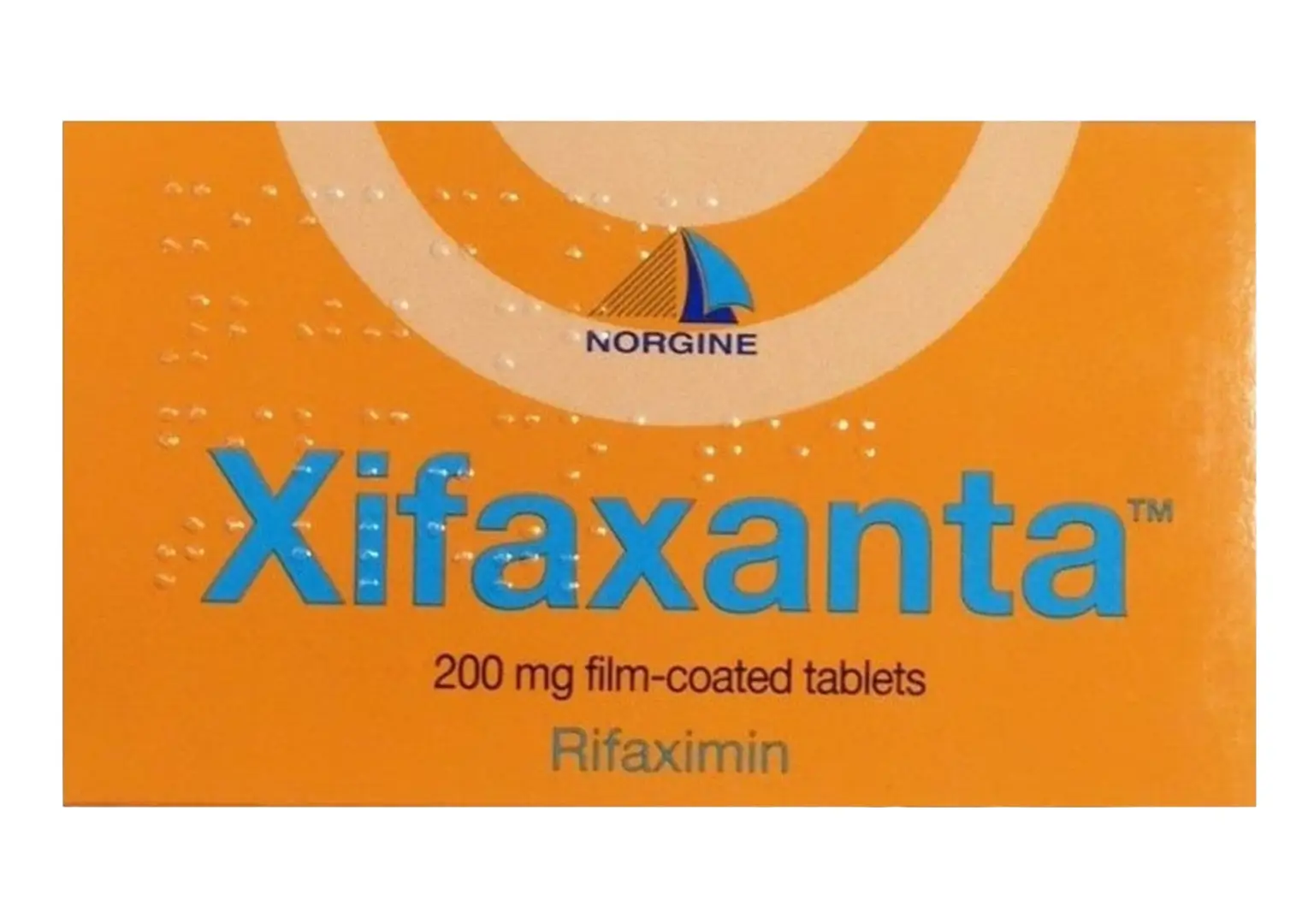
If you’ve been prescribed Xifaxanta (Rifaximin) 200mg, you’re likely dealing with a digestive condition that needs targeted treatment. Rifaximin is a well-known, gut-focused antibiotic used worldwide for specific gastrointestinal disorders. Unlike many antibiotics, it works mainly inside the intestines and is minimally absorbed into the bloodstream.
This guide explains how Xifaxanta (Rifaximin) 200mg works, what it’s used for, its benefits, possible side effects, and important safety considerations so you can use it confidently and responsibly.
What Is Rifaximin?
Rifaximin is a rifamycin-class antibiotic designed to act locally in the gastrointestinal (GI) tract. It is commonly sold under brand names such as:
- Xifaxan
- Xifaxanta
Because rifaximin is poorly absorbed into the bloodstream, it concentrates in the intestines. This makes it especially useful for treating gut-related bacterial conditions while reducing the risk of systemic side effects seen with other antibiotics.
What Is Xifaxanta (Rifaximin) 200mg Used For?
Rifaximin 200mg tablets are prescribed for several evidence-based indications:
1. Traveler’s Diarrhea
Rifaximin is FDA-approved for treating traveler’s diarrhea caused by non-invasive strains of Escherichia coli.
It works by:
- Reducing harmful bacteria in the intestines
- Shortening the duration of diarrhea
- Relieving abdominal cramping and urgency
It is not effective for diarrhea caused by invasive bacteria (such as those causing fever or bloody stools).
2. Irritable Bowel Syndrome with Diarrhea (IBS-D)
Irritable bowel syndrome (IBS-D subtype) involves chronic abdominal pain, bloating, and diarrhea.
Rifaximin can:
- Reduce bloating
- Improve stool consistency
- Ease abdominal discomfort
Some patients require repeat treatment cycles, depending on symptom recurrence.
3. Hepatic Encephalopathy (HE)
Hepatic encephalopathy is a serious condition that occurs in people with advanced liver disease. It happens when toxins like ammonia build up in the blood and affect brain function.
Rifaximin helps by:
- Reducing ammonia-producing gut bacteria
- Lowering toxin production
- Decreasing the risk of recurrent HE episodes
For this condition, rifaximin is often used long-term, sometimes alongside lactulose.
4. Small Intestinal Bacterial Overgrowth (SIBO)
Small intestinal bacterial overgrowth occurs when excessive bacteria grow in the small intestine, causing bloating, gas, diarrhea, or constipation.
Rifaximin is commonly prescribed off-label for SIBO because it:
- Targets gut bacteria directly
- Causes minimal systemic exposure
- Has relatively good tolerability
How Does Rifaximin Work?
Rifaximin works by inhibiting bacterial RNA synthesis. In simple terms, it blocks bacteria from producing essential proteins, preventing them from multiplying.
Key characteristics:
- Stays mostly in the gut
- Minimal absorption into the bloodstream
- Low risk of systemic antibiotic resistance compared to broad-spectrum oral antibiotics
This targeted action is why it’s favored for gut-specific conditions.
Typical Dosage of Xifaxanta (Rifaximin) 200mg
Dosage varies depending on the condition:
- Traveler’s diarrhea: 200mg three times daily for 3 days
- IBS-D: 550mg three times daily for 14 days (higher-dose formulation)
- Hepatic encephalopathy: 550mg twice daily (maintenance therapy)
- SIBO: Often 400–550mg two to three times daily for 7–14 days (varies by physician)
If your doctor has prescribed this medication, always ensure you are purchasing the correct strength and formulation. You can verify details such as dosage strength and pack size when reviewing Rifaximin 200mg tablets in the UK.
Benefits of Xifaxanta (Rifaximin) 200mg
1. Gut-Targeted Action: Because it stays in the intestines, it avoids many whole-body side effects common with other antibiotics.
2. Lower Risk of Systemic Complications: Minimal absorption reduces risks such as widespread antibiotic-associated complications.
3. Symptom Relief for Chronic Conditions: For IBS-D and hepatic encephalopathy, rifaximin can significantly improve quality of life.
4. Well-Studied Safety Profile: Rifaximin has been extensively studied in clinical trials for GI-related conditions and is approved in many countries for specific uses.
Possible Side Effects
Like all medications, rifaximin can cause side effects, although many people tolerate it well.
Common Side Effects
- Nausea
- Headache
- Abdominal pain
- Dizziness
- Fatigue
Less Common but Serious Side Effects
- Severe allergic reactions (rash, swelling, breathing difficulty)
- Persistent or severe diarrhea
- Signs of Clostridioides difficile infection
Seek medical attention immediately if you experience:
- Bloody stools
- High fever
- Severe abdominal pain
- Confusion (especially in liver disease patients)
Practical Tips While Taking Xifaxanta
- Take exactly as prescribed.
- Complete the full course even if symptoms improve.
- Stay hydrated, especially if treating diarrhea.
- Avoid self-medicating for undiagnosed GI symptoms.
If symptoms persist after completing treatment, follow up with your healthcare provider rather than restarting antibiotics on your own.
Final Thoughts
Xifaxanta (Rifaximin) 200mg is a targeted, gut-specific antibiotic used for conditions such as traveler’s diarrhea, IBS-D, hepatic encephalopathy, and SIBO. Its minimal absorption into the bloodstream makes it different from many traditional antibiotics.
When used appropriately and under medical supervision, rifaximin can significantly improve digestive symptoms and prevent serious complications in liver disease patients.
However, it is not a general-purpose antibiotic. Proper diagnosis, correct dosing, and medical guidance are essential to ensure safe and effective treatment.
If you have been prescribed Xifaxanta, discuss your full medical history with your healthcare provider and follow their instructions carefully for the best results.