News & Updates
Pros and Cons of Weight Loss Injections: Benefits, Risks, and What to Consider
13 June 2026
Why Weight Loss Injections Are Gaining Popularity
Weight loss injections have become one of the most talked-about medical treatments for obesity and excess weight management. Their growing popularity is largely driven by clinical studies showing meaningful weight loss results, especially among people who have struggled to achieve their goals through diet and exercise alone. Increased awareness, social media attention, and endorsements from healthcare professionals have also contributed to their widespread adoption.
Unlike traditional weight loss methods that rely solely on lifestyle changes, these medications work by influencing appetite, hunger signals, and metabolic processes. As a result, many people view them as a promising option for long-term weight management.
People considering medical weight management options often explore professional Weight Loss Treatment in UK services to determine whether prescription medications or weight loss injections are suitable for their needs.
Understanding the Benefits and Risks
While weight loss injections can deliver impressive results, they are not a perfect solution for everyone. Like any medical treatment, they come with potential advantages and drawbacks that should be carefully considered. Understanding both sides can help individuals make informed decisions in consultation with their healthcare providers.
What Are Weight Loss Injections?
How They Work
Weight loss injections are prescription medications designed to support weight reduction by affecting hormones involved in appetite regulation and digestion. Many of these treatments mimic naturally occurring hormones that signal fullness to the brain, helping people feel satisfied with smaller portions and reducing overall calorie intake.
Some injections also slow the rate at which food leaves the stomach, which can further increase feelings of fullness and reduce frequent hunger.
Common Types of Weight Loss Injections
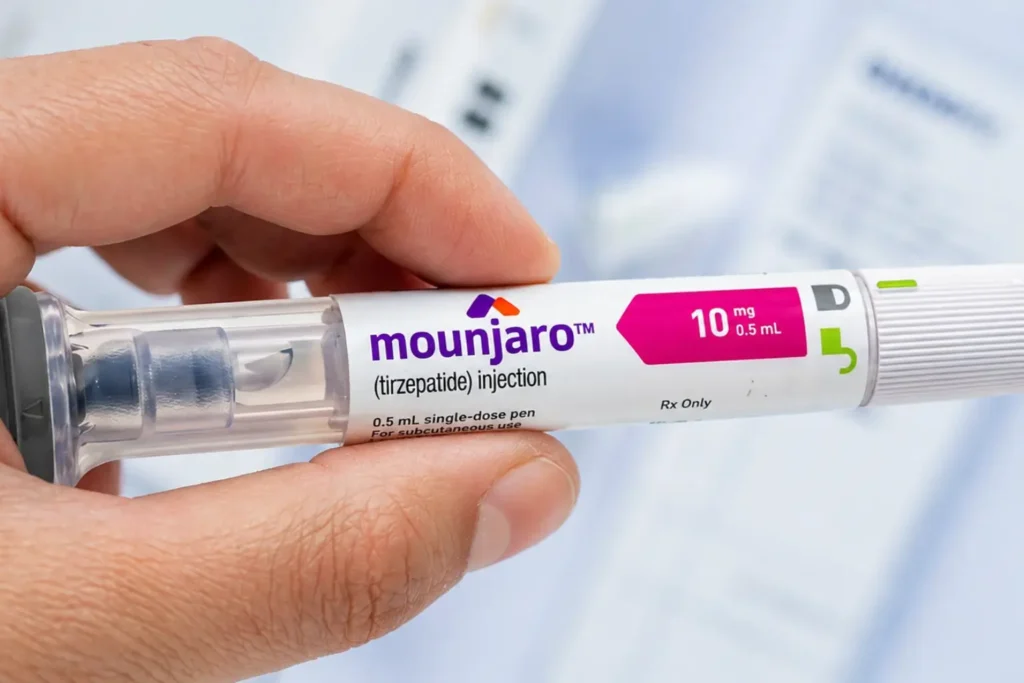
Several injectable medications are currently approved or prescribed for weight management. Common examples include Wegovy (semaglutide) and Mounjaro (tirzepatide-based) treatments. These medications are typically administered once weekly and are used alongside healthy eating habits and regular physical activity.
The specific medication prescribed depends on an individual’s health status, weight-related conditions, and treatment goals.
Pros of Weight Loss Injections
1. Can Lead to Significant Weight Loss
One of the biggest advantages of weight loss injections is their ability to help people achieve substantial weight reduction. Clinical studies have shown that many patients lose a meaningful percentage of their body weight when combining medication with lifestyle modifications.
For individuals who have struggled with repeated dieting attempts, this level of effectiveness can be particularly encouraging.
2. Helps Reduce Appetite and Cravings
Many users report feeling less hungry throughout the day and experiencing fewer cravings for high-calorie foods. By helping regulate appetite, weight loss injections can make it easier to maintain a calorie deficit without constantly battling hunger.
This appetite control often improves adherence to healthier eating patterns.
3. May Improve Blood Sugar Control
Some weight loss injections were initially developed to help manage type 2 diabetes. As a result, they may improve blood sugar regulation while also supporting weight reduction.
Better blood sugar control can contribute to improved overall metabolic health and may lower the risk of diabetes-related complications in eligible individuals.
4. Can Lower the Risk of Obesity-Related Conditions
Excess weight is associated with numerous health concerns, including high blood pressure, heart disease, sleep apnea, and type 2 diabetes. By promoting weight loss, these medications may help reduce the risk or severity of certain obesity-related conditions.
Even modest weight reduction can have meaningful health benefits for many patients.
5. Supports Long-Term Weight Management
Unlike short-term diets that often produce temporary results, weight loss injections can support sustained weight management when used as part of a comprehensive treatment plan.
Many patients find it easier to maintain healthier habits when appetite and cravings are better controlled.
6. Non-Surgical Weight Loss Option
Weight loss injections provide a non-surgical alternative for people seeking medical support without undergoing bariatric surgery. Other non-surgical prescription options, including Xenical (Orlistat 120mg), may also be considered for patients who prefer oral medication rather than weekly injections.
For individuals who do not qualify for surgery or prefer a less invasive approach, injections may offer an effective middle-ground solution. Patients comparing injectable and oral treatments can learn more about the differences between weight loss injections vs pills before choosing a treatment approach.
Cons of Weight Loss Injections
1. Common Side Effects
Like most medications, weight loss injections can cause side effects. The most commonly reported issues include nausea, vomiting, diarrhea, constipation, and stomach discomfort.
Although these symptoms are often mild to moderate and may improve over time, they can still affect daily life during the adjustment period.
2. Potential Serious Health Risks
While uncommon, more serious complications may occur in some individuals. Potential risks can include severe gastrointestinal problems, gallbladder issues, pancreatitis, or allergic reactions.
Patients should discuss their medical history with a healthcare provider before starting treatment and seek medical attention if concerning symptoms develop.
3. Can Be Expensive
Cost remains one of the biggest barriers for many people. Weight loss injections can be expensive, particularly when insurance coverage is limited or unavailable.
Long-term treatment costs may add up significantly, making affordability an important consideration.
4. Requires Ongoing Treatment
These medications are not typically designed as short-term fixes. Many patients need ongoing treatment to maintain their results.
Regular injections, medical monitoring, and follow-up appointments may be required, which can be inconvenient for some individuals.
5. Weight Regain May Occur After Stopping
Research suggests that some people regain weight after discontinuing treatment, especially if healthy lifestyle habits are not maintained.
Because the medication helps regulate appetite, stopping it may lead to increased hunger and a gradual return to previous eating patterns.
6. Not Suitable for Everyone
Weight loss injections are not appropriate for every individual. Certain medical conditions, medication interactions, or personal health factors may make these treatments unsuitable.
Pregnant individuals and those with specific medical histories may need alternative weight management approaches.
When the Benefits May Outweigh the Risks
For people living with obesity or weight-related health conditions, the potential health improvements associated with meaningful weight loss may outweigh the risks of treatment. Individuals who have struggled with conventional methods and meet medical eligibility criteria may benefit significantly from these medications.
However, treatment decisions should always be based on a thorough medical evaluation.
Factors to Consider Before Starting Treatment
Before beginning weight loss injections, individuals should consider factors such as:
- Overall health status
- Weight loss goals
- Potential side effects
- Long-term commitment requirements
- Cost and insurance coverage
- Existing medical conditions
- Lifestyle habits and readiness for change
Carefully evaluating these factors can help determine whether treatment is an appropriate option. Patients should only purchase prescription treatments from regulated providers. Our weight loss medication buying guide explains what to look for when choosing a safe and legitimate online pharmacy.
Who Should Consider Weight Loss Injections?
Suitable Candidates
Weight loss injections may be appropriate for adults who:
- Have obesity or excess weight with related health conditions
- Have not achieved desired results through lifestyle changes alone
- Are willing to follow a comprehensive weight management plan
- Can commit to regular medical follow-up
Individuals who are not suitable candidates for injectable medications may be prescribed oral weight loss treatments such as Orlistat 120mg, depending on their medical history and weight management goals.
Who Should Avoid Them
Weight loss injections may not be recommended for people who:
- Are pregnant or planning pregnancy
- Have certain endocrine or gastrointestinal disorders
- Have a history of specific medication-related complications
- Have medical conditions that increase treatment risks
A healthcare professional can determine whether alternative strategies may be safer and more effective.
Frequently Asked Questions
1. Are Weight Loss Injections Safe?
Weight loss injections are generally considered safe when prescribed and monitored by qualified healthcare professionals. However, they can cause side effects and may not be suitable for everyone.
2. How Much Weight Can You Lose?
Results vary depending on the medication, dosage, adherence to treatment, and lifestyle habits. Many patients experience meaningful weight loss when following a comprehensive weight management program.
3. How Long Do Results Last?
Results can be long-lasting when treatment is combined with sustainable dietary and exercise habits. Ongoing medical guidance often plays an important role in maintaining progress.
4. What Happens If You Stop Taking Them?
Some individuals may experience increased appetite and gradual weight regain after stopping treatment. Maintaining healthy lifestyle habits becomes especially important after discontinuation.
Key Takeaways on the Pros and Cons of Weight Loss Injections
Weight loss injections have emerged as an effective medical option for many people seeking help with obesity and weight management. Their ability to promote significant weight loss, reduce appetite, and improve metabolic health makes them appealing to eligible candidates.
At the same time, potential side effects, ongoing treatment requirements, cost concerns, and the possibility of weight regain should not be overlooked. The decision to use weight loss injections should be based on individual health needs, medical advice, and a realistic understanding of both the benefits and limitations.
For those who qualify, weight loss injections can be a valuable tool within a broader long-term strategy focused on healthier habits and sustainable weight management.