News & Updates
How Long Does It Take for Weight Loss Medication to Work?
7 July 2026

Table of Content
Starting a prescription weight loss medication is an important step toward improving your health, but it’s natural to wonder how long does weight loss medication take to work. While some people notice changes in their appetite within the first few weeks, visible weight loss usually takes longer and varies from person to person.
Weight loss medications are designed to support long-term weight management rather than produce rapid results. If you’re considering prescription weight loss treatments, understanding how these medications work and what results to expect can help you make informed decisions throughout your weight loss journey. Most work best when combined with a nutritious diet, regular physical activity, quality sleep, and other healthy lifestyle habits. They are not a substitute for these habits but can make it easier to maintain them by reducing hunger, improving satiety, or affecting how the body processes food.
Understanding the typical weight loss results timeline can help you set realistic expectations and stay motivated throughout your treatment.
How Do Weight Loss Medications Work?
Prescription weight loss medications help manage obesity and overweight by targeting different biological pathways involved in appetite, metabolism, and energy balance. Depending on the medication, they may:
- Reduce appetite by acting on areas of the brain that regulate hunger.
- Increase feelings of fullness after eating.
- Slow the rate at which the stomach empties, helping you stay satisfied for longer.
- Reduce the absorption of dietary fat.
- Improve blood sugar regulation, which may indirectly support weight management in some individuals.
For example, medications in the GLP-1 receptor agonist class mimic a naturally occurring hormone that signals fullness after meals. These medications are typically introduced gradually through dose escalation to improve tolerability and reduce gastrointestinal side effects.
Although these medications begin affecting the body soon after treatment starts, meaningful weight loss is generally gradual rather than immediate.
How Long Does Weight Loss Medication Take to Work?
The answer depends on several factors, including:
- The type of medication prescribed
- Your starting weight
- Your overall health
- Lifestyle habits such as diet and exercise
- How consistently you take the medication
- Whether your dosage has reached the recommended maintenance level
Most people begin noticing changes in appetite within one to four weeks, while measurable weight loss often becomes more apparent after eight to twelve weeks. Healthcare providers commonly evaluate how well a medication is working after a patient has been on the maintenance dose for about 12 weeks, although recommendations vary depending on the specific medication.
Rather than focusing on daily changes on the scale, it’s more helpful to look for gradual progress over several months.
Weight Loss Results Timeline: What to Expect
Every person’s journey is different, but the following timeline reflects what many patients experience when taking prescription weight loss medications alongside healthy lifestyle changes.
Week 1–2: Early Changes
During the first two weeks, you may notice subtle but meaningful changes rather than dramatic weight loss. Common early experiences include:
- Feeling less hungry between meals
- Becoming full more quickly
- Reduced cravings for high-calorie foods
- Better control over portion sizes
Some people also experience mild side effects such as nausea, constipation, diarrhea, or stomach discomfort, particularly when starting treatment or increasing the dose. These effects often improve as the body adjusts, but any persistent or severe symptoms should be discussed with a healthcare provider.
At this stage, the scale may not change significantly, and that’s completely expected. Building sustainable eating habits is an important part of long-term success.
Weeks 3–4: Initial Weight Loss
By the end of the first month, many people begin seeing measurable changes in body weight. While results vary, early progress may include:
- Losing approximately 1–2% of starting body weight
- Clothes fitting more comfortably
- Reduced waist circumference
- Increased confidence in maintaining healthier eating habits
Weight loss may be slower for some individuals, particularly if they are still increasing their medication dose. Others may notice faster initial progress, especially if they have made substantial dietary and physical activity changes.
It’s important not to compare your progress with others, as individual responses to treatment differ considerably.
Weeks 8–12: Noticeable Progress
For many patients, this is when weight loss becomes more apparent. You may notice:
- More consistent weekly weight loss
- Improved energy levels
- Better mobility during physical activity
- Greater confidence in managing hunger
- Continued improvements in eating patterns
Healthcare providers often assess treatment effectiveness around this stage. Depending on the medication, clinical guidelines may recommend evaluating whether sufficient weight loss has occurred before deciding whether to continue treatment.
If progress is slower than expected, your healthcare provider may review factors such as medication adherence, dietary habits, physical activity, sleep quality, stress levels, and any underlying medical conditions that could be influencing results.
Three to Six Months: Building Momentum
By three to six months, many individuals experience meaningful improvements in both weight and overall health. Potential benefits may include:
- Continued weight reduction
- Lower blood pressure in some individuals
- Improved blood sugar control, where applicable
- Better cholesterol levels
- Increased physical fitness
- Improved quality of life
Weight loss is rarely linear. Some weeks may show little or no change, while others may show greater progress. Temporary plateaus are common and do not necessarily mean the medication has stopped working.
When Do Weight Loss Injections Start Working?
Many people specifically ask, “When do weight loss injections start working?”
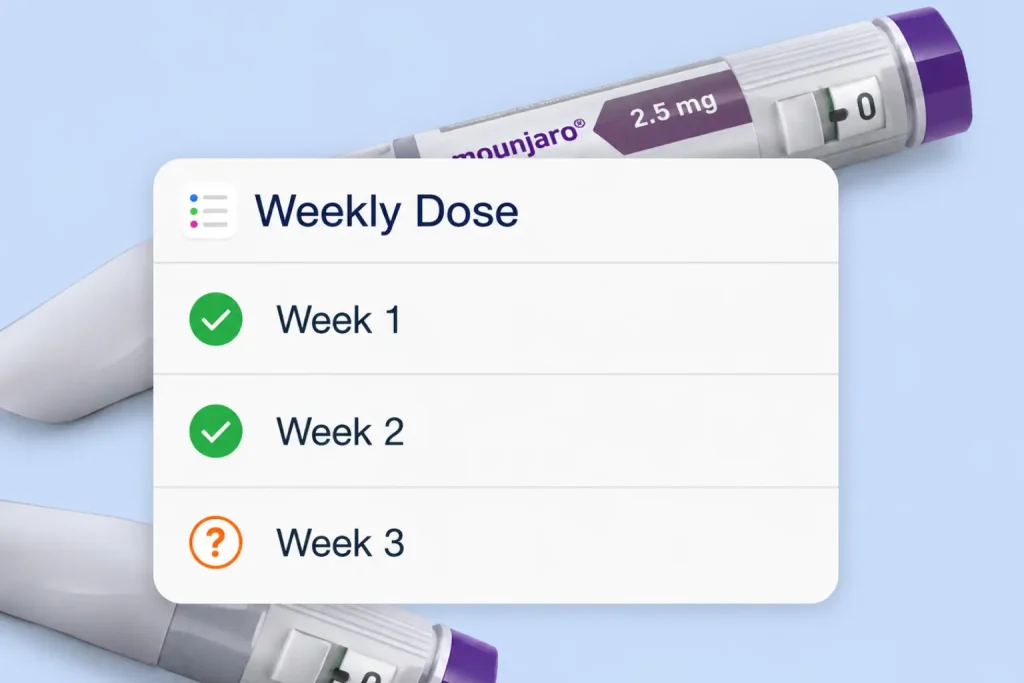
Injectable prescription medications, including GLP-1 receptor agonists, often begin influencing appetite within the first week of treatment. For example, Mounjaro weight loss injections are prescribed as part of a structured treatment plan with gradual dose increases, helping improve appetite control while supporting sustainable weight loss over time. However, because these medications are typically started at a lower dose and increased gradually over several weeks, noticeable weight loss may take longer.
A typical timeline looks like this:
| Timeline | What You May Notice |
|---|---|
| Week 1 | Reduced appetite and earlier fullness |
| Weeks 2–4 | Better portion control and fewer cravings |
| Months 2–3 | Steady weight loss becomes more noticeable |
| Months 4–6 | Greater improvements in weight and metabolic health for many individuals |
| Months 6–12 | Continued progress when combined with healthy lifestyle habits |
It’s important to remember that the goal of these medications is sustainable weight management rather than rapid weight loss. Gradual progress is generally associated with better long-term outcomes. Likewise, Wegovy weight loss injections are designed to promote gradual, long-term weight management when used alongside a calorie-controlled diet and increased physical activity.
Factors That Influence How Quickly Weight Loss Medication Works
Not everyone experiences the same results. Several factors can affect how quickly you lose weight while taking prescription medication.
1. Type of Medication: Different medications work through different mechanisms and have varying effectiveness. Some primarily reduce appetite, while others influence nutrient absorption or metabolic processes.
2. Starting Weight: Individuals with a higher starting body weight may experience larger absolute weight losses, although percentage-based progress is often a more meaningful measure.
3. Diet Quality: Medications work best when paired with a balanced eating pattern rich in vegetables, fruits, lean proteins, whole grains, and healthy fats. Regularly consuming highly processed, calorie-dense foods may limit progress.
4. Physical Activity: Exercise supports fat loss, helps preserve muscle mass, and contributes to overall health. Even moderate activities such as walking, cycling, or swimming can complement medication treatment.
5. Medication Adherence: Taking the medication exactly as prescribed is essential. Missing doses or stopping treatment prematurely may reduce its effectiveness.
6. Sleep and Stress: Poor sleep and chronic stress can influence hunger hormones, food choices, and weight management. Addressing these factors can improve overall treatment outcomes.
What If You’re Not Losing Weight on Medication?
If you’ve been taking your medication consistently but haven’t noticed significant weight loss, it’s understandable to feel discouraged. However, slow progress doesn’t necessarily mean the medication isn’t working.
Healthcare providers typically evaluate the effectiveness of weight loss medications after you’ve been taking the recommended maintenance dose for approximately 12 weeks, although the exact timeline varies depending on the medication prescribed.
Before concluding that a treatment isn’t effective, your healthcare provider may consider several factors, including:
- Whether you’ve reached the maintenance dose
- How consistently you’re taking the medication
- Your eating habits and calorie intake
- Physical activity levels
- Sleep quality and stress management
- Other medications that may affect weight
- Underlying medical conditions such as hypothyroidism or hormonal disorders
Rather than making changes on your own, schedule a follow-up appointment to discuss your progress. Your healthcare provider may recommend adjusting your treatment plan or exploring other options if appropriate.
Common Reasons Weight Loss May Be Slower Than Expected
Weight loss is influenced by multiple biological and lifestyle factors. Some common reasons for slower progress include:
1. Your Body Is Still Adjusting: Many prescription weight loss medications begin with a low dose that is gradually increased over several weeks. This approach helps reduce side effects but also means the medication may not reach its full effect immediately.
2. Calorie Intake Is Still Too High: Even if your appetite has decreased, consuming more calories than your body uses can slow or prevent weight loss. Keeping a food diary or working with a registered dietitian may help identify areas for improvement.
3. Physical Activity Is Limited: While medication can reduce hunger, regular movement supports fat loss, preserves muscle mass, and improves cardiovascular health. Aim for a combination of aerobic exercise and strength training, based on your healthcare provider’s recommendations.
4. Sleep and Stress Are Affecting Progress: Insufficient sleep and chronic stress can disrupt hormones that regulate hunger and fullness, making weight management more challenging. Prioritizing quality sleep and stress-reduction strategies can complement your treatment.
5. Medical Conditions or Other Medications: Conditions such as hypothyroidism, polycystic ovary syndrome (PCOS), or certain prescription medications may influence weight. Discuss your complete medical history and medication list with your healthcare provider if you’re concerned about slow progress.
How to Maximize Your Weight Loss Results Safely
Weight loss medications are most effective when combined with sustainable lifestyle changes. Consider these evidence-based strategies:
1. Follow Your Treatment Plan: Take your medication exactly as prescribed. Avoid skipping doses or changing your dosage without medical guidance.
2. Focus on Nutrient-Dense Foods: Build meals around:
- Vegetables and fruits
- Lean protein sources
- Whole grains
- Healthy fats
- High-fiber foods
Protein and fiber can help increase satiety and support muscle maintenance during weight loss.
3. Stay Physically Active: Adults should aim for regular physical activity based on their abilities and healthcare provider’s recommendations. Strength training is particularly important because it helps preserve lean muscle mass while losing weight.
4. Drink Enough Water: Hydration supports overall health and may help manage some medication-related gastrointestinal side effects.
5. Get Enough Sleep: Most adults benefit from 7–9 hours of sleep per night. Consistent, quality sleep supports appetite regulation and overall well-being.
6. Track Progress Beyond the Scale:
Weight is only one measure of success. Consider monitoring:
- Waist circumference
- Clothing fit
- Energy levels
- Physical fitness
- Blood pressure (if recommended)
- Blood sugar improvements (for individuals with diabetes or prediabetes)
These changes can indicate meaningful health improvements even if the scale moves slowly.
Possible Side Effects
Like all prescription medications, weight loss medications can cause side effects. Common side effects vary by medication but may include:
- Nausea
- Vomiting
- Diarrhea
- Constipation
- Stomach discomfort
- Headache
- Fatigue
Many side effects improve as the body adjusts to treatment. However, severe or persistent symptoms should be reported to your healthcare provider promptly. Never stop taking a prescribed medication without discussing it with your healthcare provider.
Frequently Asked Questions
1. How long does weight loss medication take to work?
Many people notice reduced appetite within the first one to four weeks, while meaningful weight loss often becomes more noticeable after 8–12 weeks. Individual timelines vary depending on the medication, dosage, and lifestyle habits.
2. When do weight loss injections start working?
Weight loss injections often begin influencing appetite within the first week. However, visible weight loss usually develops gradually over several weeks or months, especially because many injectable medications require dose escalation.
3. What is a realistic weight loss results timeline?
While every person is different, many individuals begin noticing appetite changes in the first month, measurable weight loss by two to three months, and continued progress over six to twelve months when following their prescribed treatment plan.
4. Why am I not losing weight on medication?
Several factors may affect progress, including medication adherence, dietary habits, physical activity, sleep, stress, underlying medical conditions, or the need for dosage adjustments. Speak with your healthcare provider if you’re concerned about your progress.
5. Can I stop taking weight loss medication once I reach my goal?
Weight management is a long-term process. Some individuals may require ongoing treatment to help maintain their weight. Never stop or change your medication without consulting your healthcare provider.
Key Takeaways
- Most prescription weight loss medications begin affecting appetite within the first few weeks.
- Noticeable weight loss often occurs after 8–12 weeks, although individual experiences vary.
- Injectable medications generally require gradual dose increases before their full effects are seen.
- Sustainable weight loss depends on combining medication with healthy eating, regular physical activity, adequate sleep, and ongoing medical support.
- If you’re not seeing the expected results, consult your healthcare provider rather than making changes to your treatment on your own.
Conclusion
If you’re wondering how long does weight loss medication take to work, the answer depends on several factors, including the medication prescribed, your overall health, and your commitment to healthy lifestyle changes. While many people notice reduced appetite within the first few weeks, significant weight loss typically develops gradually over several months.
Similarly, if you’re asking when do weight loss injections start working, it’s important to understand that these medications often begin influencing hunger early in treatment, but visible results require patience and consistency. Following a realistic weight loss results timeline can help you stay motivated and avoid unrealistic expectations.
Weight loss medications are valuable tools, but they work best as part of a comprehensive plan that includes nutritious eating, regular physical activity, quality sleep, and ongoing guidance from a qualified healthcare professional. By focusing on sustainable habits rather than rapid results, you can improve not only your weight but also your long-term health and well-being.