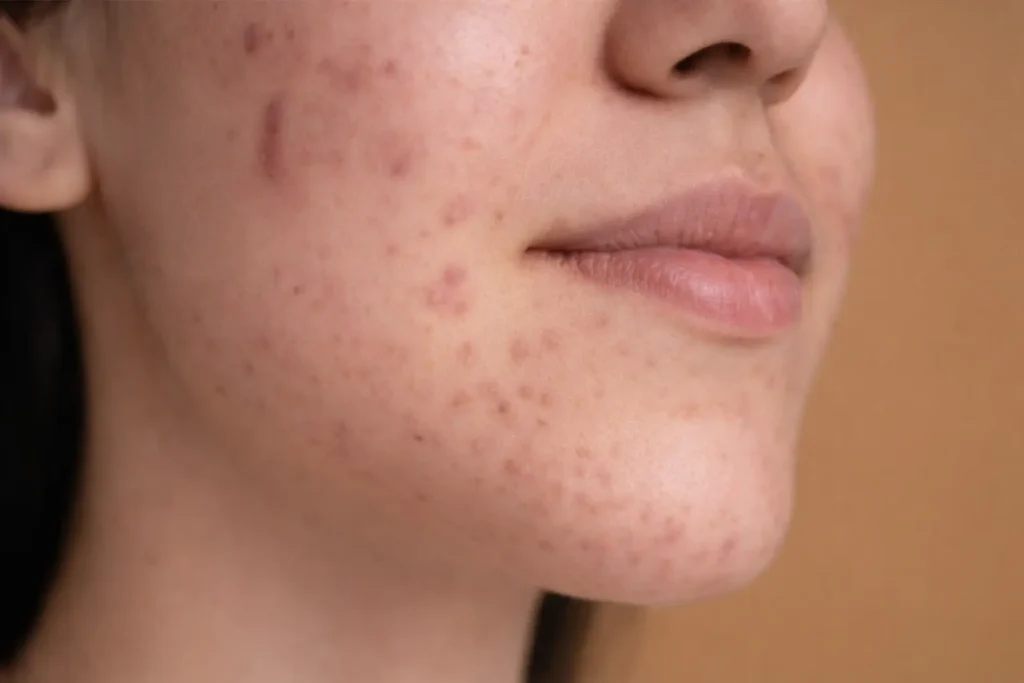
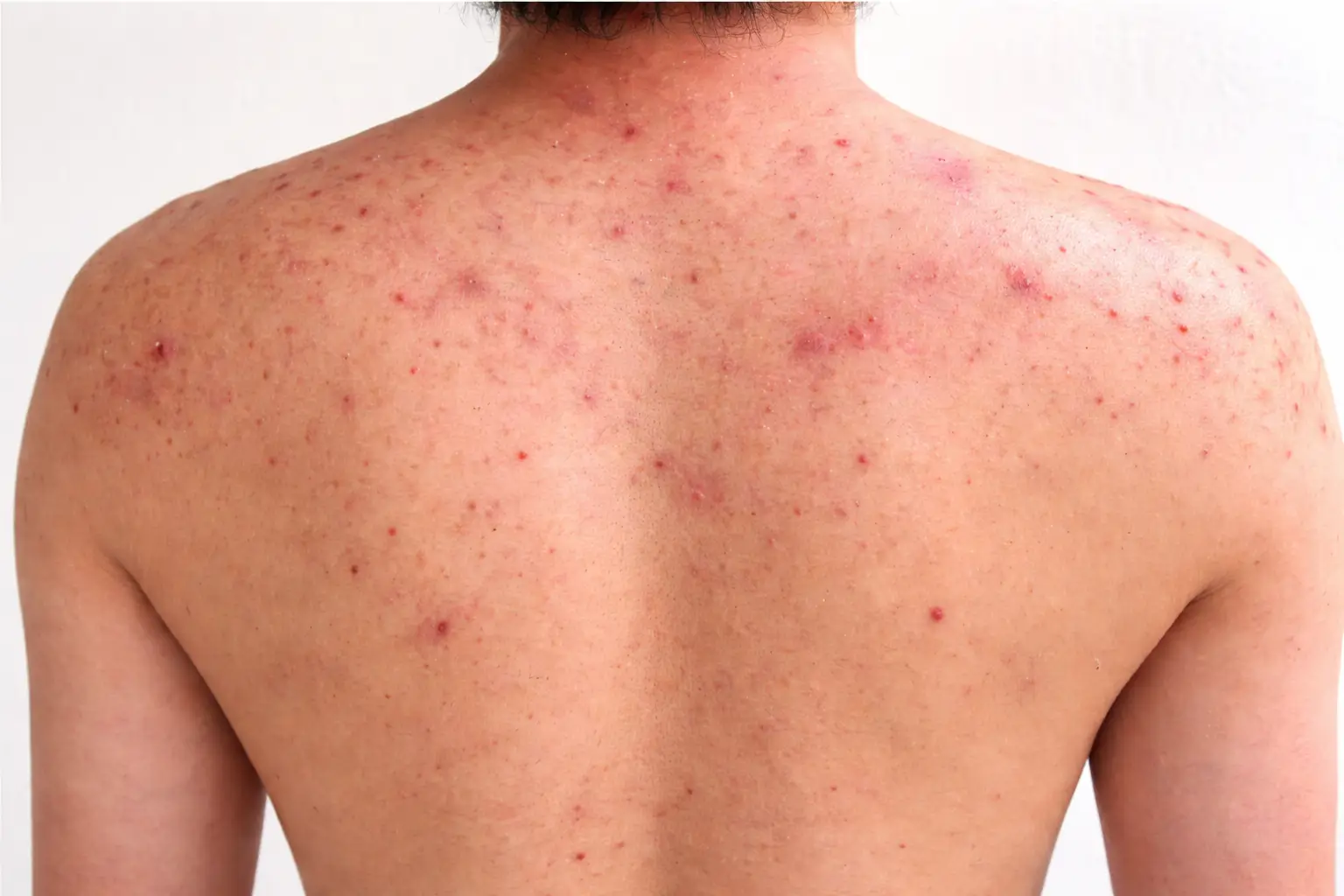
Back acne, often called “bacne,” is far more common than many people realize. Yet it’s also one of the most frustrating forms of acne to treat. The skin on the back is thicker than the face, produces more oil, and is constantly exposed to sweat, friction, and occlusion from clothing. All of this makes breakouts harder to control and slower to heal.
Whether your bacne appears occasionally or keeps returning despite skincare efforts, understanding why it happens and how to treat it properly is the key to long-term improvement.
What Is Back Acne and Why Is It So Persistent?
Back acne develops through the same fundamental process as facial acne: pores become clogged with oil and dead skin cells, bacteria multiply, and inflammation follows. However, the back presents unique challenges.
Sebaceous glands on the back are larger and more active, which means excess oil builds up more easily. The area is also harder to reach and clean thoroughly, and many people unintentionally aggravate breakouts through habits like wearing tight clothing or leaving sweaty gym wear on for too long.
As a result, bacne often becomes deeper, more inflamed, and more resistant to standard treatments.
Common Causes of Back Acne
Back acne rarely has just one trigger. In most cases, several factors work together to cause repeated flare-ups.
1. Excess Oil and Sweat
The back contains a high concentration of oil glands. When oil mixes with sweat, especially during exercise or warm weather, pores clog more easily. If sweat remains on the skin for long periods, bacteria can thrive.
2. Friction and Occlusion
Tight clothing, sports bras, backpacks, and synthetic fabrics can rub against the skin and trap heat and moisture. This combination irritates hair follicles and worsens inflammation, particularly along the shoulders and upper back.
3. Hormonal Influences
Hormonal imbalances, stress, and underlying conditions can all contribute to persistent breakouts, especially when oil production increases. In such cases, lifestyle changes alone may not be enough, and targeted acne treatments are often required. Understanding the cause of acne is essential before choosing treatment, particularly for hormonal acne in women, which often requires prescription-based solutions.
4. Hair and Skincare Products
Conditioners, oils, and styling products can run down the back in the shower and clog pores. Even products labelled “natural” or “moisturising” can contribute to breakouts if they are not non-comedogenic.
5. Genetics and Skin Type
Some individuals are simply more prone to body acne due to genetic factors or naturally oily skin. In these cases, bacne may persist even with good hygiene.
What Back Acne Typically Looks Like
Back acne can range from mild to severe. Some people experience small inflamed spots or whiteheads scattered across the upper back, while others develop painful nodules or cysts that extend to the shoulders and lower back.
Because the skin on the back is thicker, blemishes often sit deeper and take longer to heal. This also increases the risk of dark marks or scarring if acne is left untreated or repeatedly irritated.
Why Back Acne Is Often Harder to Treat Than Facial Acne
Many people treat bacne the same way they treat facial breakouts, but this approach frequently falls short. Facial cleansers and spot treatments are often too mild for the thicker skin on the back, and inconsistent application makes results unreliable.
In addition, scrubbing the back aggressively or using harsh exfoliants can worsen inflammation and delay healing. Effective treatment requires consistency, the right active ingredients, and, in many cases, medical-strength solutions.
Effective Treatments for Back Acne
Treating back acne successfully usually involves combining topical treatments with practical lifestyle changes. In moderate to severe cases, prescription options may be necessary.
1. Daily Cleansing and Skincare Support
A simple but consistent routine can make a significant difference. Cleansing the back daily with a product designed to target acne helps remove excess oil, sweat, and bacteria.
Ingredients commonly recommended for bacne include:
- Benzoyl peroxide to reduce acne-causing bacteria
- Salicylic acid to unclog pores
- Gentle exfoliating acids to prevent buildup without irritation
It’s important to allow cleansers to sit on the skin briefly before rinsing, rather than washing them off immediately.
2. Over-the-Counter Treatments
Leave-on sprays, gels, or washes formulated for body acne can be helpful for mild to moderate bacne. These are often easier to apply evenly across large areas than creams. However, if breakouts are deep, painful, or widespread, over-the-counter options may not be enough on their own.
3. Prescription Treatments for Persistent Bacne
When back acne does not respond to standard treatments, prescription options can be highly effective. These may include:
- Prescription-strength topical retinoids to prevent clogged pores
- Medicated washes with higher concentrations of active ingredients
- Oral treatments for severe or inflammatory acne
At Pharmaceutra, prescription acne treatments are available for individuals whose acne is persistent, widespread, or affecting their quality of life. These treatments are tailored based on acne severity, skin type, and medical history.
Prevention Tips That Actually Work
Preventing bacne is often about reducing friction, sweat, and pore blockage. Small daily habits can significantly reduce flare-ups over time. Helpful prevention strategies include:
- Showering soon after sweating or exercising
- Changing out of tight or damp clothing promptly
- Wearing breathable, loose-fitting fabrics
- Washing hair before conditioning and rinsing thoroughly
- Avoiding heavy oils or fragranced products on the back
Consistency matters more than perfection. Even modest changes can reduce the frequency and severity of breakouts.
How Long Does Back Acne Take to Clear?
Back acne typically improves more slowly than facial acne. Most treatments take at least 8 to 12 weeks to show visible results. Deep or cystic acne may take longer and often requires medical supervision to prevent scarring. Stopping treatment too early is a common reason bacne returns, so patience and consistency are essential.
When to Seek Professional Help
Medical advice is recommended if:
- Acne is painful, cystic, or spreading
- Scars or dark marks are developing
- Over-the-counter treatments have failed
- Acne is affecting confidence or daily activities
Early intervention not only improves results but also reduces the risk of long-term skin damage.
Final Thoughts
Back acne is a medical skin condition, not a hygiene issue. It develops due to a combination of oil production, friction, hormones, and genetics. With the right treatment approach — and prescription support when necessary — bacne can be effectively controlled and significantly improved.
If your back acne has been persistent or difficult to manage, exploring targeted treatment options through Pharmaceutra may be the next step toward clearer skin.
Frequently Asked Questions
1. Why does my back acne keep coming back even though I shower daily?
Showering alone does not address clogged pores or inflammation. Back acne often requires medicated cleansers or leave-on treatments that actively target bacteria and oil buildup.
2. Can sweating during exercise cause back acne?
Sweat itself does not cause acne, but when it mixes with oil and remains on the skin, it can clog pores. Delaying showers or wearing tight clothing after workouts increases the risk.
3. Are body scrubs effective for treating bacne?
Physical scrubs can worsen inflammation if used aggressively. Chemical exfoliants or medicated washes are usually more effective and less irritating for back acne.
4. Does diet play a role in back acne?
Diet may influence acne in some individuals, particularly high-sugar or high-glycaemic foods. While diet alone rarely causes bacne, it can affect how severe breakouts become.
5. When should I consider prescription treatment for back acne?
Prescription treatment is worth considering if acne is painful, widespread, scarring, or unresponsive to over-the-counter products after several weeks of consistent use.