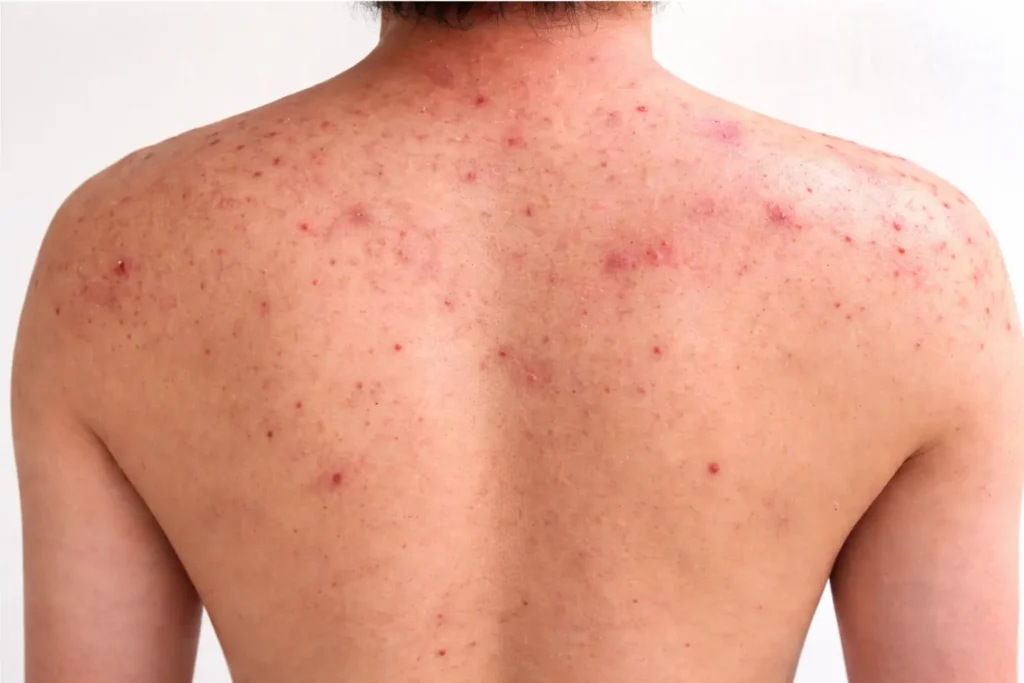
Most people think of acne as something teenagers deal with — but for many women, breakouts persist long into adulthood, showing up with regular cycles or seemingly out of nowhere. This type of acne is often hormonal, and understanding it deeply can improve both your skin and confidence.
This comprehensive guide explains what hormonal acne is, how to recognise it, why it happens, and how you can treat it effectively — including options that may require a prescription. By the end, you’ll know what works, what doesn’t, and when to seek professional help.
What Makes Hormonal Acne Different?
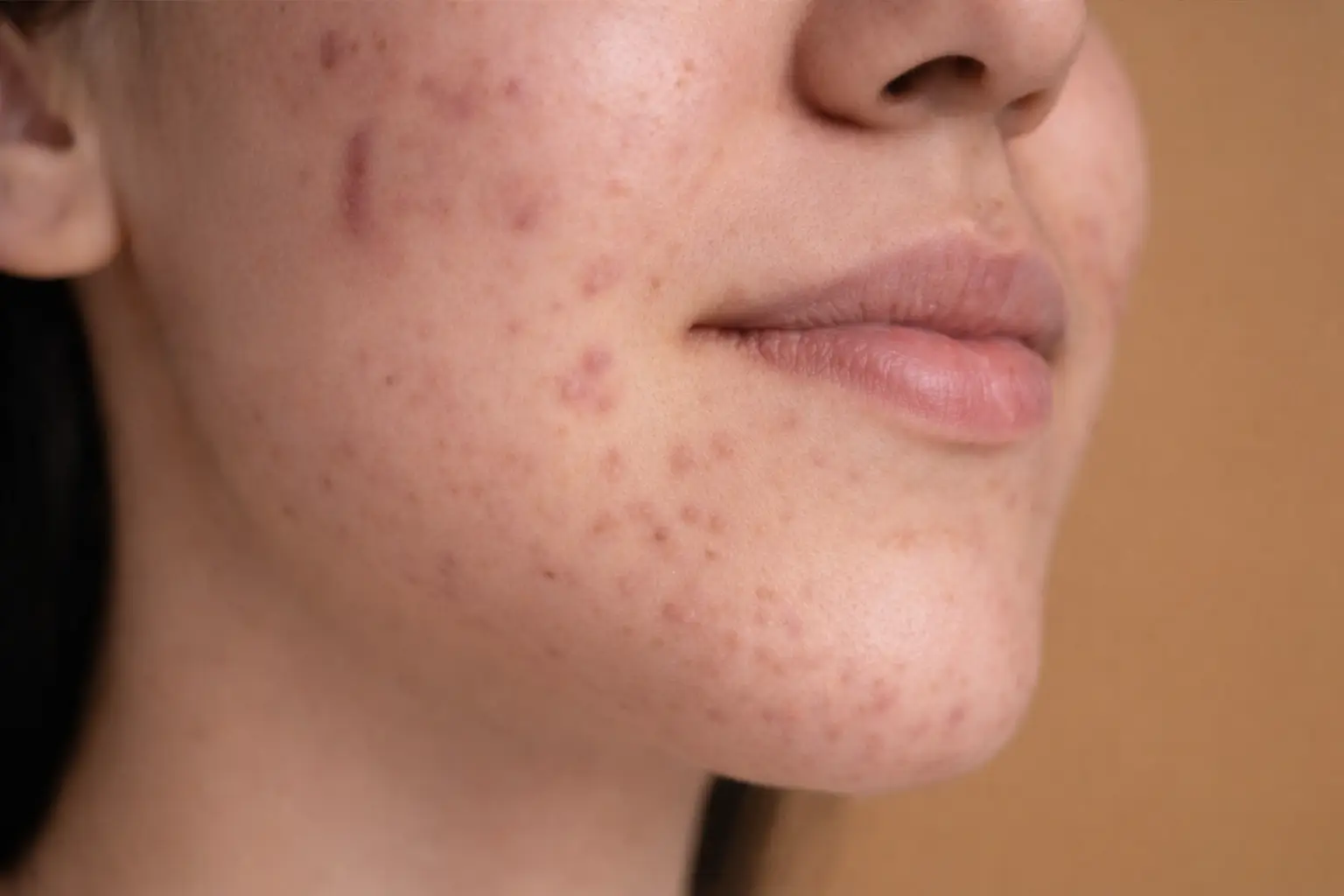
Hormonal acne does not always look like the occasional spot you might get from eating too much chocolate or skipping makeup removal. It’s caused by internal changes, specifically hormone fluctuations, and typically shows distinct patterns that set it apart from other forms of acne. Most women with hormonal acne find that:
- Breakouts cluster around the lower face — especially the jawline, chin, and cheeks.
- The blemishes are often deep, painful, and cystic, rather than simple whiteheads.
- Breakouts may worsen at certain times of the menstrual cycle, especially in the week before a period.
These are subtle but telling differences that help dermatologists distinguish hormonal acne from other types.
Understanding the Root Causes
Hormonal acne doesn’t have a single trigger. Often, several factors come together to drive inflammation and breakouts.
Hormonal Fluctuations Over Time
Women experience complex hormonal changes throughout life — from puberty to menstrual cycles, pregnancy, postpartum recovery, and menopause. Progesterone and estrogen levels rise and fall, and at certain points, androgens (male-type hormones present in both sexes) become more active. Higher androgen levels stimulate the oil glands, leading to clogged pores and breakouts.
For many women, acne does not improve after adolescence precisely because these hormone fluctuations continue well into adulthood.
Conditions Like PCOS
Polycystic Ovary Syndrome (PCOS) is one of the most common underlying hormonal disorders linked to acne. PCOS is associated with elevated androgen levels, irregular periods, weight changes, and stubborn acne that doesn’t respond to typical over-the-counter products.
Stress and Cortisol
Chronic stress raises levels of cortisol, the body’s stress hormone. Cortisol can indirectly affect other hormones and promote increased oil production. When stress is ongoing, breakouts can become frequent and persistent.
Diet and Insulin Response
Some research suggests that foods that quickly raise blood sugar (such as sugary drinks, refined carbs, and processed snacks) can trigger insulin spikes. High insulin may stimulate androgen production, contributing to acne.
What Hormonal Acne Looks Like
If you’re unsure whether your breakouts are hormonal, here’s what many women commonly experience:
- Large, painful bumps beneath the skin’s surface
- Lesions that appear in the same area repeatedly
- Breakouts that worsen before a period or during times of stress
- Acne that does not reliably respond to general cosmetics or OTC creams
Unlike occasional pimples, hormonal acne can feel like a recurring cycle you can’t break — which is precisely why it requires a more targeted approach.
Why Most Skincare Routines Fall Short
It might seem logical to reach for stronger cleansers, peels, or exfoliators when acne won’t quit — but for hormonal acne, this often makes matters worse.
Hormonal acne begins beneath the surface. Harsh products can disrupt the skin’s natural barrier and lead to more irritation without addressing the real cause. Over-cleansing can also strip the skin of protective lipids, prompting the sebaceous glands to produce even more oil in response.
That’s why combining smart skincare with treatments that work systemically — often including medically prescribed options — is essential for lasting improvement.
Effective Treatment Pathways
Treating hormonal acne means going beyond basic skincare. Here’s how options typically unfold, from gentle starts to prescriptions that target the root cause.
Supporting Skincare Fundamentals
Even with prescription treatment, you still need a supportive routine that includes:
- A gentle, non-foaming cleanser to remove oil and impurities
- A lightweight lotion or gel with calming ingredients like niacinamide or azelaic acid
- Sunscreen every morning to protect healing skin and prevent dark marks
A balanced daily routine helps keep pores clear and prepares your skin to respond better to other treatments.
Over-the-Counter Options
Certain OTC ingredients can be useful early on or in milder cases:
- Benzoyl peroxide to reduce acne-related bacteria
- Salicylic acid to help loosen clogged pores
- Azelaic acid to reduce redness and post-acne marks
These products are part of a supportive regimen, but many women with hormonal acne need additional help.
Prescription Treatments That Work
When acne is persistent, painful, or leaving marks, prescription therapies are often the next step.
At Pharmaceutra, you can explore prescription acne treatments designed specifically for hormonal and moderate to severe acne. These may include:
- Prescription-strength topical retinoids that normalize skin cell turnover
- Antibiotics to reduce inflammation when appropriate
- Hormonal therapies that regulate the underlying androgen influence
For women whose acne is interfering with daily life or leaving scars, these treatments can make a transformative difference — especially when tailored by a healthcare professional.
Access Prescription Acne Treatments
If your acne has not responded to standard skincare, prescription treatments available through Pharmaceutra may be the most effective path forward. Visit our Prescription Acne Treatments page to explore personalized options based on your symptoms and history.
What to Expect During Treatment
Realistic expectations matter. Prescription treatments do not work overnight, and many take 8–12 weeks to show significant improvement. In some cases, your skin may seem to get worse before it gets better, especially as surface cells adjust.
Consistency is key, and so is communication with your prescriber if side effects occur or progress stalls. Hormonal acne treatments are most effective when guided by a healthcare professional rather than self-managed.
Lifestyle Support That Truly Helps
While lifestyle changes rarely cure hormonal acne on their own, they can support hormonal balance and improve outcomes. Women often notice fewer flare-ups when:
- They priorities regular sleep and stress management
- They reduce refined sugars and high-glycemic foods
- They maintain gentle, consistent skincare habits
- They avoid comedogenic cosmetics that block pores
These steps do not replace medical treatments, but they do create a foundation for healing and long-term improvement.
When to See a Professional
If you’ve tried multiple OTC products, changed your routine, and still experience painful, recurring breakouts — it’s time to consult a professional.
Seek medical evaluation when:
- Acne is deeply painful or cystic
- Scars are forming
- Breakouts follow a monthly pattern
- Acne affects your self-esteem or quality of life
A prescriber can assess whether underlying conditions like PCOS are involved and recommend appropriate medication or referral.
Conclusion
Hormonal acne affects many women, but it does not have to be a lifelong struggle. Understanding the patterns that connect your breakouts, using a supportive skincare routine, and accessing targeted therapies — including prescription options when needed — can lead to clearer, healthier skin.
If your acne is resistant to typical treatments, exploring prescription acne solutions through Pharmaceutra could be a key step toward lasting improvement.
Frequently Asked Questions
1. How can I tell if my acne is hormonal rather than stress-related or diet-related?
Hormonal acne tends to appear in the same areas (chin, jawline) and often fluctuates with menstrual cycles. Stress and diet can influence breakouts, but if acne consistently worsens around your period and doesn’t improve with typical skincare, hormones are likely at play.
2. Are birth control pills effective for treating hormonal acne?
Yes, certain combined oral contraceptives can reduce androgen activity and decrease oil production, improving acne in many women. They are commonly prescribed when breakouts are tied to hormonal fluctuations, though suitability depends on personal health history.
3. Can hormonal acne be cured, or will it always come back?
Hormonal acne is manageable but not always “curable.” With the right combination of prescription treatment, supportive skincare, and lifestyle changes, many women experience long periods of clear skin and fewer breakouts.
4. Is it safe to use prescription acne medication while trying to conceive?
Some prescription acne medications are not safe during pregnancy or when trying to conceive. It’s important to consult a healthcare provider before starting or stopping medication in these situations and choose options that are appropriate for your stage of family planning.
5. How soon should I expect results from prescription acne treatment?
Most prescription treatments take 8 to 12 weeks to show marked improvement. Early changes may be subtle, and initial adjustments in your routine can cause temporary irritation before your skin responds positively. Regular follow-ups with your prescriber help ensure progress.